
What is the Best Way to Pay Off Debt?

What is the Best Way to Pay Off Debt?

If you’re feeling overwhelmed and just not sure how to make a start, I’ve got you covered in this blog. To pay off debt efficiently, you must employ a variety of strategies that are tailored to your specific financial situation. 

Here are some general steps to consider:

ASSESS YOUR DEBT

Start by listing all your debts, including credit cards, loans, and mortgages. Note the balance, interest rate, and minimum payment for each.

CREATE A BUDGET

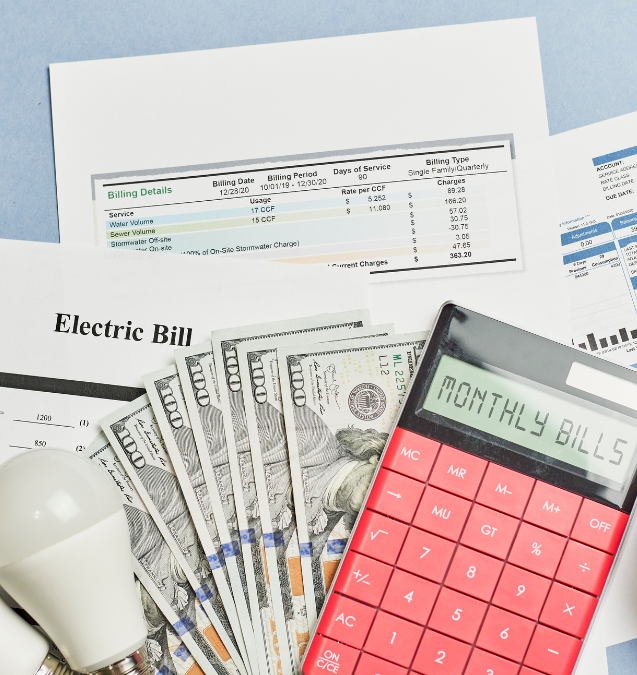
Understand your monthly income and expenses. This helps in identifying how much extra you can allocate towards debt repayment.

EMERGENCY FUND

Before aggressively paying off debt, it’s wise to have a small emergency fund (like $1,000) to cover unexpected expenses without adding more debt.

Understand Your Monthly Income and Expenses

CHOOSE A DEBT REPAYMENT STRATEGY:

  1. Debt Snowball Method: Pay off debts from smallest to largest balance, regardless of interest rate. This method can offer quick wins and motivation.


  2. Debt Avalanche Method: Focus on paying off debts with the highest interest rates first while maintaining minimum payments on others. This method saves money on interest over time.

MAKE EXTRA PAYMENTS

Whenever possible, make extra payments. Even small additional amounts can significantly reduce your total interest and repayment duration.

CUT EXPENSES

Review your budget for areas to reduce spending. Redirecting these savings toward your debt can accelerate repayment.

CONSIDER CONSOLIDATION OR REFINANCING 

If you have high-interest debt, consolidating into a lower-interest loan or refinancing can reduce the total interest paid.

AVOID NEW DEBT

While paying off existing debt, try to avoid taking on new debt, as this can derail your repayment plan.

INCREASE INCOME

Consider ways to boost your income, such as a side job or selling unused items, and use this extra income to pay down debt.

SEEK PROFESSIONAL ADVICE

If you’re overwhelmed, consider consulting a financial advisor or a credit counselor for personalised advice and possible debt management plans.


Consider ways to boost your income, such as a side job or selling unused items, and use this extra income to pay down debt.

Remember, the best method depends on your personal financial situation, your discipline, and your motivation. It’s important to choose a strategy that you can stick with until all your debts are paid off.

Grab a FREE COPY of my Budget Spending Plan to track your income and expenses. CLICK HERE!

Need help and accountability? The LEARNING HUB helps you gain more financial knowledge, while providing you with the support and help you and others need. Join now for only $79 USD per month.

Join the Learning Hub - Financial Management 101 by Karen G Adams
The Importance of Good Credit

The Importance of Good Credit

People often underestimate the importance of having a good credit score and report.
In this article, I am going to walk you through how credit can affect your money management now and in the future.

 If your credit score is high, you have a greater chance of getting approved for loans and credit cards from lenders and credit card companies.

Here are 5 reasons why a good credit score is important:

1. REDUCED INTEREST RATES ON BORROWED MONEY

Over time, you can save money by having lower interest rates on credit cards and loans, thanks to good credit.

2. GREATER CHANCES OF LOAN AND CREDIT CARD APPROVAL 

If your credit score is high, you have a greater chance of getting approved for loans and credit cards from lenders and credit card companies.

3. BETTER LOAN TERMS

Having good credit can result in better loan terms, such as higher borrowing limits, in addition to lower interest rates.

4. LOW OR NO SECURITY DEPOSIT REQUIREMENTS

Having good credit can result in better loan terms, such as higher borrowing limits, in addition to lower interest rates.

5. EMPLOYMENT OPPORTUNITIES

When hiring new employees, especially for jobs requiring financial responsibility, some employers run credit checks.

Building and Maintaining a High Credit Score

Here are some ways to maintain and build on your credit score to keep it healthy and high:

1. PAY YOUR BILLS ON TIME

Your credit score can suffer greatly from late payments. Make sure that all of your bills—including credit card and utility bills—are paid on time.

2. MAINTAIN LOW CREDIT CARD BALANCES 

Using a significant portion of your credit limit, or high credit utilisation, can have a bad effect on your credit score.

3. BUILD A LONG CREDIT HISTORY

Your credit score is influenced by the length of your credit history.

4. KEEP THE NUMBER OF NEW CREDIT INQUIRIES TO A MINIMUM 

If you make too many hard inquiries quickly, your score may suffer.

Understanding Your Credit Report

It’s important that you understand your report and what it contains. You can do free annual checks by many of the online credit reporting agencies, like; Equifax and Experian, to name just two. Order your report and take a look at how yours stacks up.
Your credit report will include your credit history; including account details, payment history, credit inquiries, and public records like bankruptcies.

Make sure to regularly check your credit report for errors, including false payment statuses, accounts that are not yours, and inaccurate personal information.

Building and Maintaining a High Credit Score

Impact of Credit on Loan Eligibility and Interest Rates

Credit scores are used by lenders to evaluate risk. A higher score translates into lower risk, which makes you a more desirable borrower.

Your interest rate is determined, in large part, by your credit score. Better scores usually result in cheaper rates, which means you will pay less money back over the course of the loan.

Certain insurance providers base their auto and home insurance rates on credit scores. 

Conclusion

Having good credit provides many financial opportunities. Understanding and managing your credit puts you in a better position to pursue favourable financial opportunities.

Regularly monitoring your credit report and score, developing responsible credit habits, and understanding how your financial behaviour affects your credit can result in significant savings and opportunities throughout your life.


The LEARNING HUB helps you gain more financial knowledge, while providing you with the support and help you and others need. Join now for only $79 USD per month.

Join the Learning Hub - Financial Management 101 by Karen G Adams
Securing Your Future: The Vital Importance of Retirement Planning

Securing Your Future: The Vital Importance of Retirement Planning

One cannot stress the significance of retirement planning in a world where life events are unpredictable and economic conditions are constantly changing. Assuring a safe, comfortable, and stress-free future requires more than just making prudent financial decisions when it comes to retirement planning. This post will discuss the advantages of retirement planning and the reasons that everyone, regardless of age or income level, should make it a top priority.

1. THE POWER OF COMPOUND INTEREST

The power of compound interest is one of the strongest arguments for beginning retirement planning as soon as possible. Often called the “eighth wonder of the world,” compound interest is the process by which the interest you earn continues to accrue. This can cause your savings to grow exponentially over time, making even small contributions into a sizeable nest egg. You gain more from this compounding effect the earlier you begin.

The Power of Compound Interest

2. LIFESTYLE MAINTENANCE AND PEACE OF MIND

Making plans for retirement is crucial to preserving your way of life in your golden years. You may not be able to maintain the standard of living to which you have become accustomed if you do not have a sound plan. When you plan ahead, you can make sure you have enough money for hobbies, travel, and entertainment in addition to meeting your basic needs. Furthermore, having a plan in place can bring you a great deal of peace of mind and lessen your stress and anxiety about the future.

3. HEALTHCARE AND LONG-TERM CARE COSTS

Healthcare becomes a more pressing issue as we get older. Planning for retirement enables you to save money for unanticipated medical costs, long-term care, or assisted living facilities. Having a financial cushion can be a lifesaver, literally and figuratively, given the rising cost of healthcare.

4. INFLATION AND COST OF LIVING

When preparing for retirement, inflation is frequently overlooked. Since living expenses are likely to increase over time, if you have not made enough plans for them, your savings’ purchasing power may decline. A strong retirement plan accounts for inflation, guaranteeing that the growth of your savings exceeds the increasing cost of living.

5. FINANCIAL INDEPENDENCE AND FAMILY SECURITY 

Retirement planning is not just about you; it is also about your family’s financial stability. You can lessen the potential strain on your loved ones by taking care of your own financial future. It can also enable you to provide your kids or grandkids with a financial legacy to help with their future pursuits.

6. FLEXIBILITY AND ADAPTABILITY

A flexible retirement plan is essential. It enables you to adjust to life’s fluctuations, including unforeseen costs, pay adjustments, or changes in the state of the economy. This flexibility is essential for managing life’s uncertainties and preserving financial security.

Making plans for retirement is crucial to preserving your way of life in your golden years.

Making plans for retirement is crucial to preserving your way of life in your golden years. When you plan ahead, you can make sure you have enough money for hobbies, travel, and entertainment in addition to meeting your basic needs.

One of the most important steps toward ensuring a stress-free and financially secure future is retirement planning. It is important to invest in your future self as well as the welfare of your loved ones, not just in terms of saving money. Planning is essential, regardless of your age or financial status right now. Retirement planning is crucial to a comprehensive financial strategy because of the advantages it offers, including financial security, peace of mind, and the compound interest effect. Start your path now to create the foundation for a safer, more prosperous tomorrow.

Learning about money-saving techniques can give you the power to make smart financial decisions, prepare for your retirement, and reduce money-related stress over time. That’s where the LEARNING HUB helps you gain more financial knowledge, while providing you with the support and help you need.

Join the Learning Hub - Financial Management 101 by Karen G Adams
Eco-Friendly Savings: Going Green to Save Green

Eco-Friendly Savings: Going Green to Save Green

Finding ways to save money is always a priority, and what if you could do that while also being kind to the planet? Embracing eco-friendly practices at home and in your lifestyle not only benefits the environment but can also lead to significant savings. Let’s explore how going green can help you save green.

1. ENERGY EFFICIENCY AT HOME

Start by making your home more energy efficient. Simple changes such as switching to LED bulbs, using energy-efficient appliances, and improving home insulation can significantly reduce your energy bills.

2. SMART WATER USAGE

Water conservation is another area where you can save money. Fixing leaks, installing low-flow showerheads, and gardening with rainwater can all help you save money on water.

Fixing leaks can help in saving the planet

3. REDUCE, REUSE, RECYCLE

Embracing the principles of reducing, reusing, and recycling can result in cost savings. Buy less, use reusable products instead of disposable ones, and recycle whenever possible. This not only saves money but also reduces waste.

4. ECO-FRIENDLY TRANSPORTATION

Consider eco-friendly transportation options. Walking, biking, carpooling, or taking public transportation can help you save money on petrol and car maintenance, not to mention the environmental benefits.

5. GROW YOUR OWN

Starting a small vegetable garden can be rewarding and cost-effective. Growing your own food lowers the cost of fresh produce and provides you with organic and healthy options right at your doorstep.

Growing your own food lowers the cost of fresh produce and provides you with organic and healthy options right at your doorstep.

6. EMBRACE SECOND-HAND AND THRIFT

Shopping secondhand is not only cost-effective, but also environmentally friendly. Thrift stores, garage sales, and online marketplaces are excellent places to find high-quality items at a fraction of their retail price.

7. DIY NATURAL CLEANING PRODUCTS

Many commercial cleaning products are expensive and contain harmful chemicals. Making your own cleaning products from natural ingredients like vinegar and baking soda is less expensive and safer for both your home and the environment.

8. ENERGY-SMART LANDSCAPING

Consider landscaping that uses less energy. Planting trees for shade, using drought-resistant plants, and creating natural windbreaks can help in reducing heating and cooling costs.

9. CUT DOWN ON PAPER

To reduce the amount of paper used, go digital whenever possible. Choose electronic bills, receipts, and statements. This not only reduces waste but also helps to keep your home clutter-free.

10. EDUCATE AND INVOLVE THE FAMILY

Make eco-friendly living a family activity. Educate your children about the importance of conservation and get them involved in green practices. This not only saves money, but also instils responsible behaviour in the next generation.

Adopting eco-friendly practices is not only good for the environment; it is also a cost-effective way to save money. As you make small changes to a more sustainable lifestyle, you will notice that going green is not only good for the environment, but also good for your wallet.

Learning about money-saving techniques can give you the power to make smart financial decisions and reduce money-related stress over time. That’s where the LEARNING HUB helps you gain more financial knowledge, while providing you with the support and help you need.

Join the Learning Hub - Financial Management 101 by Karen G Adams