
Think Rich, Stay Rich: Building Wealth + Protecting It with Wills, Insurance & Estate Planning

Think Rich, Stay Rich: Building Wealth + Protecting It with Wills, Insurance & Estate Planning

Wealth isn’t just about having money.

It’s about building it strategically and protecting it wisely.

And let’s be honest:

Most people focus so hard on making money that they forget to plan for what happens once they have it.

In this blog, we’re unpacking:

  • The mindset shift from making money to keeping money
  • What wealth-building really looks like (even if you’re starting small)
  • Why insurance and estate planning matter at every stage
  • How to future-proof your finances for yourself and your family

Let’s get into it.

? First: Shift from Earning to Building

When you’re in survival mode, your focus is on earning and paying bills. But true financial freedom comes when you start thinking long-term.

Here’s what wealthy people understand:

It’s not just what you make that matters. It’s what you keep, grow, and protect.

That shift in thinking is powerful. It means you’re no longer reacting to money problems – you’re planning for prosperity.

? What Does Wealth-Building Look Like?

Wealth-building isn’t about flashy cars or seven-figure salaries. It’s about consistent, values-aligned habits over time.

Here are some key wealth-building actions:

1. Investing Early & Often

You don’t need thousands to start. With micro-investing apps and superannuation (or retirement accounts), you can begin small and grow big.

2. Multiple Income Streams

Wealth builders don’t rely on just one source. Think side hustles, passive income, rental properties, or dividend stocks.

3. Automated Saving

Treat savings like a non-negotiable bill. Automation makes it effortless and consistent.

4. Asset Growth

Buy appreciating assets (like property or shares), not just liabilities (cars, gadgets, etc.).

5. Financial Literacy

Wealthy people are constantly learning. They read books, hire coaches, and surround themselves with financial wisdom.

? Why Protecting Your Wealth Matters

Building wealth is only one part of the equation.

Protecting it is just as important.

This is where too many people drop the ball. Without protection, all your hard work could be undone by:

  • Illness or injury
  • Legal disputes
  • Death without a plan

Let’s talk about the tools that safeguard your legacy.

? Wills, Insurance & Estate Planning: The Wealth Protectors

1. Life Insurance

If anyone depends on your income, you need life insurance. It’s about protecting your loved ones from financial stress in the worst-case scenario.

2. Income Protection Insurance

What happens if you’re too sick or injured to work for months? Income protection can cover up to 75% of your income to keep you afloat.

3. Wills & Power of Attorney

Wills ensure your assets go where you want them to. Power of Attorney gives someone legal authority to act on your behalf if you become incapacitated.

No one wants to think about worst-case scenarios. But planning now means your family won’t be left scrambling later.

4. Advance Care Directives

These outline your medical wishes if you can’t speak for yourself. It brings peace of mind for you and your family.

5. Trusts (for those further ahead)

If you have significant assets or dependents, trusts can help manage, protect, and distribute wealth according to your wishes.

Working on your money mindset while paying off debt is so important.

? Estate Planning Is an Act of Love

Let’s be real. Avoiding your numbers can lead to:

  • Overspending without realising it
  • Paying late fees or higher interest
  • Never knowing where your money is going
  • Constant financial anxiety

This creates the cycle of financial fog:

Avoid → Panic → Overspend → Avoid again

You deserve better.

? How This Fits Into the Financial Freedom Diagram

At the top of the Financial Management 101 Diagram are people who are:

  • Confident
  • Happy
  • Focused
  • Designing a life of freedom and purpose

That includes growing their wealth and protecting their assets.

This is the final layer of your financial muscle. It’s where you move from “doing okay” to building a legacy.

⚡ Ready to Build and Protect Your Future?

Here are 3 steps to take today:

  1. Schedule a review of your current insurances and will (or start one if you haven’t yet!)
  2. Join our Financial Freedom Breakthrough Program to get tools, templates, and expert support
  3. Have a money conversation with your family – start talking about future plans

? Final Thoughts

You work hard for your money. Now it’s time to make sure your money works hard for you.

Wealth is not just about what you earn. It’s about what you grow. What you protect. And what you pass on.

Think rich. Stay rich. And build a life and legacy – you’re proud of.

Your Financial Freedom Breakthrough™
Why Every Small Business Owner Needs a Financial Coach in Their Corner

Why Every Small Business Owner Needs a Financial Coach in Their Corner

Running a small business is no joke. You wear all the hats – CEO, marketer, customer service rep, bookkeeper, and sometimes even janitor. The freedom and flexibility of entrepreneurship are amazing, but let’s be real: it can also feel like you’re juggling flaming swords while riding a unicycle on a tightrope. And when it comes to managing money? That tightrope can feel extra wobbly.


Enter the financial coach.


While accountants and bookkeepers keep track of the numbers, a financial coach helps you understand what those numbers mean for your goals, mindset, and long-term business strategy. They’re not just here to look at your past, they’re here to help you shape your future.
Let’s break down exactly why working with a financial coach can be a total game-changer for small business owners.

1. Clarity is Power

So many business owners hustle day in and day out without a clear picture of where their money is going or how much they’re really making. A financial coach helps you:

  • Understand your cash flow
  • Track your expenses
  • Price your products/services strategically
  • Set income goals that align with your vision

When you know your numbers, you can make smarter decisions with more confidence. No more crossing your fingers and hoping there’s enough to cover next month.

Understand your cash flow

2. Mindset Matters More Than You Think

Money mindset is one of the most overlooked aspects of running a business. If you’ve got a hidden belief that you’re not “good with money” or that it’s wrong to want to be profitable, it will impact your business.

A financial coach helps you identify and rewrite those limiting beliefs so you can:

  • Raise your prices without guilt
  • Pay yourself consistently
  • Invest in growth with confidence
  • Stop playing small with your money goals

You don’t just need spreadsheets – you need support for the emotional and psychological side of money, too.

3. From Reactive to Proactive

Too many small business owners operate in reaction mode: paying bills as they come, scrambling during tax season, and constantly putting out financial fires. A financial coach helps you shift from reactive to proactive.

That means:

  • Planning for taxes year-round
  • Setting aside money for slow seasons
  • Creating a strategy to build consistent income
  • Mapping out your financial goals and the steps to get there

This isn’t just about staying afloat. It’s about building a solid, scalable foundation that supports long-term success.

4. Ditch the DIY Trap

There’s a lot of pressure on small business owners to figure everything out themselves. Google, YouTube, and online courses can only take you so far. But just like you wouldn’t expect your clients to solve all their problems without your help, you shouldn’t expect yourself to master business finances without support.

A financial coach gives you:

  • Accountability
  • Expert insights tailored to your business
  • A safe space to ask the “dumb” questions (spoiler alert: they’re never dumb)
  • A partner who’s as invested in your success as you are

5. You Deserve to be Paid Well for Your Work

Too many small business owners put themselves last on the payroll. They reinvest everything back into the business, believing that one day, it will all pay off. But guess what? You don’t have to wait to be profitable.

A financial coach helps you:

  • Create a plan to pay yourself regularly
  • Separate personal and business finances
  • Build profitability into your pricing and systems
  • Stop undercharging and undervaluing your genius

Because you didn’t start your business to just survive. You started it to thrive.

Create a plan to pay yourself regularly

6. Create a Business That Supports Your Life

Your business is a part of your life – not the other way around. A great financial coach will always bring the focus back to what you want:

  • More time with your family?
  • Travel?
  • Buying a home?
  • Debt freedom?

Whatever your version of success looks like, your financial plan should support it. A coach helps you design a business model and money strategy that aligns with your lifestyle goals.

Final Thoughts: Your Business Deserves a Financial Wingwoman (or Wingman)

You don’t have to have it all figured out. You just need the right support.

A financial coach isn’t just for people who are struggling. It’s for anyone who wants to grow with intention, take control of their finances, and build a business that actually feels good to run.

At Financial Management 101, that’s exactly what we’re here for. Whether you join our Monthly Coaching program and unlock The Vault, or dive deep into transformation through The EDGE, you’ll get the tools, clarity, and mindset shifts you need to run your business with confidence.

The Edge - 2 Hour Workshop

Let’s build your business into the financial success story it’s meant to be – one intentional step at a time.

Introducing THE EDGE. This 2-Hour Power Session is a fast-paced, simplified version of my full 6-week coaching program for self employed business owners. Click the image below to know more about what you’ll be learning in this power session.

The Vault
THE EDGE
How to Become Debt-Free: A Step-by-Step Guide to Financial Freedom

How to Become Debt-Free: A Step-by-Step Guide to Financial Freedom

Are you tired of feeling trapped by debt? You’re not alone. Debt can feel like a heavy burden, but the good news is that it doesn’t have to be a lifelong sentence. With the right mindset and strategies, you can break free from debt and start building a more secure financial future. Let’s dive into the steps to becoming debt-free and reclaiming control over your finances!

1. UNDERSTAND YOUR DEBT SITUATION

Before you can tackle your debt, you need to have a clear understanding of what you’re dealing with. Start by making a list of all your debts, including:

  • Credit cards
  • Student loans
  • Personal loans
  • Car loans
  • Mortgage

For each debt, write down the total amount owed, the interest rate, and the minimum monthly payment. This will give you a comprehensive view of your debt landscape and help you prioritise which debts to focus on first.  If you need a little hand with getting this down, you can download my FREE debt repayment spreadsheet by clicking HERE.

2. CREATE A BUDGET AND STICK TO IT

Creating a budget is an important step towards debt freedom. A budget helps you track your income and expenses, ensuring you’re not spending more than you earn. Here’s how to create an effective budget:

  • Calculate your monthly income: Include all sources of income, such as your salary, side gigs, and any other earnings.
  • List your monthly expenses: Categorise your expenses into essentials (like rent, utilities, groceries) and non-essentials (like dining out, entertainment).
  • Allocate funds for debt repayment: After covering your essentials, allocate a portion of your income specifically for debt repayment.

Sticking to your budget requires discipline, but it’s essential if you want to make significant progress towards becoming debt-free.

Want some help creating your budget then download my FREE budget spreadsheet where I make it easier to workout what’s happening with your money. Click HERE.

3. CUT UNNECESSARY EXPENSES

One of the quickest ways to free up money for debt repayment is by cutting unnecessary expenses. Review your budget and identify areas where you can reduce spending. Here are some common areas where people tend to overspend:

  • Dining out: Try cooking at home more often.
  • Subscription services: Cancel subscriptions you don’t use regularly.
  • Impulse purchases: Avoid buying items you don’t need by implementing a 24-hour rule before making non-essential purchases.

Remember, every dollar saved is a dollar that can go towards paying off your debt faster!

4. CHOOSE A DEBT REPAYMENT STRATEGY

There are several strategies for repaying debt, but two of the most popular are the Debt Snowball and Debt Avalanche methods:

  • Debt Snowball Method: Focus on paying off your smallest debt first while making minimum payments on all others. Once the smallest debt is paid off, move on to the next smallest. This method gives you quick wins and boosts motivation.
  • Debt Avalanche Method: Focus on paying off the debt with the highest interest rate first while making minimum payments on all others. This method saves you the most money in interest over time.

Choose the method that resonates most with you and start chipping away at your debt!

5. INCREASE YOUR INCOME

If cutting expenses isn’t enough, consider ways to increase your income. This additional income can be used entirely for debt repayment. Here are a few ideas to boost your income:

  • Take on a side hustle: Consider freelancing, tutoring, or driving for a ride-share service.
  • Sell unused items: Declutter your home and sell items you no longer need.
  • Ask for a raise or promotion: If you’ve been excelling at work, now might be the time to ask for a raise.

Every bit of extra income helps in accelerating your journey to becoming debt-free.

6. BUILD AN EMERGENCY FUND 

While it might seem counterintuitive to save money when you’re trying to pay off debt, having an emergency fund is crucial. An emergency fund acts as a financial safety net, preventing you from going deeper into debt when unexpected expenses arise. Aim to save at least $1,000 initially and gradually build it to cover 3-6 months’ worth of expenses.

7. NEGOTIATE LOWER INTEREST RATES

High-interest rates can significantly increase the amount you owe over time. Don’t be afraid to negotiate with your creditors to lower your interest rates. Here’s how:

  • Call your creditors: Explain your financial situation and request a lower interest rate.
  • Consider transferring your balance: Some credit cards offer 0% interest on balance transfers for a limited period. This can help reduce interest costs and pay off debt faster.
  • Refinance loans: Refinancing can lower your interest rate and reduce monthly payments.

Lowering your interest rates means more of your payments go towards reducing the principal amount, helping you get out of debt faster.

8. AVOID NEW DEBT

While you’re working to become debt-free, it’s essential to avoid accumulating new debt. Resist the temptation to use credit cards or take out new loans. If necessary, consider freezing your credit to prevent taking on new debt until you’re back on solid financial footing.

9. TRACK YOUR PROGRESS AND CELEBRATE MILESTONES

Tracking your progress is vital to staying motivated. Use a debt repayment tracker or app to monitor your journey. Celebrate each milestone you reach, whether it’s paying off a specific amount or clearing a particular debt. Celebrating these wins keeps you motivated and committed to your goal.

10. SEEK PROFESSIONAL HELP IF NEEDED

If your debt feels overwhelming, or if you’re struggling to create a repayment plan, consider seeking help from me as your financial coach. As a financial coach, I can provide personalised advice and strategies tailored to your situation, helping you navigate your way out of debt more effectively.

11. STAY COMMITTED TO THE JOURNEY

Becoming debt-free is a marathon, not a sprint. It requires time, effort, and unwavering commitment. There will be challenges along the way, but staying focused on your goal will make the journey worth it. Remember, the freedom and peace of mind that come with being debt-free are invaluable.


CONCLUSION: EMBRACE YOUR FINANCIAL FREEDOM

Becoming debt-free is one of the most empowering steps you can take for your financial future. It opens up a world of possibilities, from building wealth to achieving your financial dreams. By understanding your debt, creating a budget, cutting expenses, increasing your income, and sticking to a debt repayment strategy, you’re well on your way to financial freedom.

Start today—your debt-free future awaits!

By following these steps and staying committed, you’ll not only become debt-free but also build a strong foundation for a financially secure future. Remember, every step you take towards eliminating debt brings you closer to the life you desire.

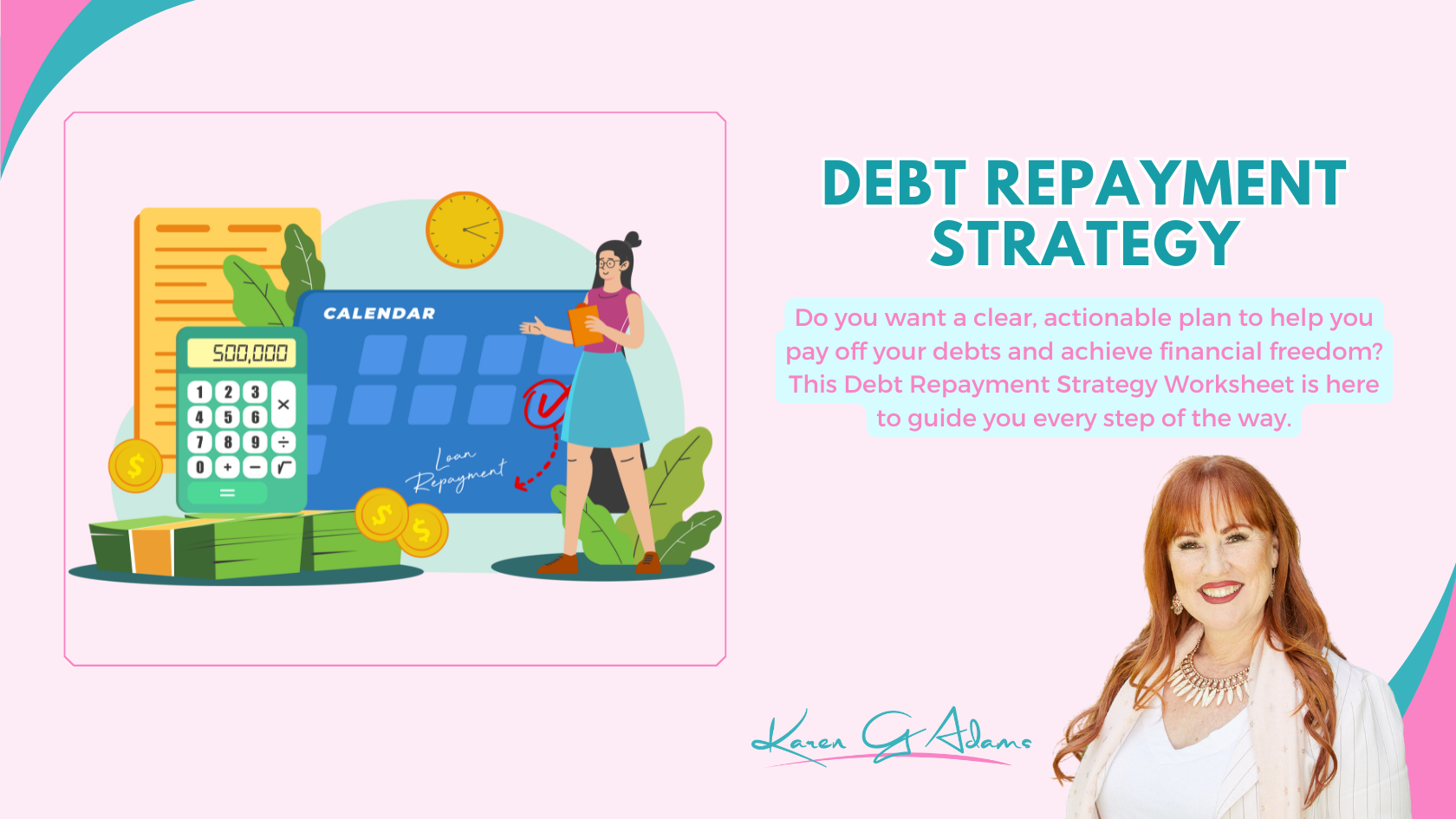
Are you feeling overwhelmed by debt? Do you want a clear, actionable plan to help you pay off your debts and achieve financial freedom? This Debt Repayment Strategy Worksheet is here to guide you every step of the way.

Mastering Budget and Saving Techniques
Free Budgeting Spreadsheet

GRAB YOUR OWN COPY FOR FREE

YOUR MONEY eMagazine

Are you ready to take control of your finances and secure a brighter future?

Dive into “Your Money,” the premier e-magazine by Karen G Adams, the Founder of Financial Management 101.

Subscribe for FREE!

Why Savings is Important – And No, It’s Not Just for Squirrels

Why Savings is Important – And No, It’s Not Just for Squirrels

Ever seen a squirrel in a panic? Me neither. That’s because they save their acorns for winter. Now, unless you’re planning on a diet of nuts, let’s talk about why saving money is your ticket to a stress-free life.

Why Savings is Important

Saving money might not seem like the most exciting thing, but it’s one of the smartest moves you can make. Here’s why:

1. EMERGENCIES HAPPEN

Life has a funny way of throwing curveballs. Whether it’s a medical emergency, car trouble, or an unexpected job loss, having a savings cushion can turn a potential crisis into a manageable inconvenience. Think of it as your personal financial airbag.

2. OPPORTUNITIES KNOCK

Ever dreamt of starting your own business, going back to school, or taking a sabbatical to travel the world? Savings make these dreams achievable. When opportunities arise, you want to be ready to seize them without financial hesitation.

Starting your own business or going back to school is possible if you have enough savings!

3. PEACE OF MIND

Knowing you have money set aside reduces stress and helps you sleep better at night. It’s about having control over your future and being prepared for whatever comes your way.

4. AVOID DEBT

When you have savings, you’re less likely to rely on credit cards or loans for unexpected expenses. This means you avoid the interest and fees that come with borrowing money, keeping more of your hard-earned cash in your pocket.

5. FINANCIAL FREEDOM

Saving money is the foundation of financial independence. It’s the stepping stone to investing, growing your wealth, and eventually having the freedom to live life on your own terms.

The Psychology of Saving

Saving money isn’t just a financial act; it’s a psychological one. Here’s how to make it work for you:

1. VISUALISE YOUR GOALS

Imagine what your life would look like with a solid savings account. What dreams can you achieve? What stressors disappear? Visualisation can be a powerful motivator.

2. CREATE A SAVINGS RITUAL

Make saving a regular habit. Whether it’s every payday or every week, set a specific time to transfer money into your savings account. Treat it as non-negotiable as paying your rent or mortgage.

3. TRACK YOUR PROGRESS

Use a spreadsheet, an app, or a good old-fashioned journal to track your savings growth. Seeing your progress can be incredibly motivating and reinforce your commitment to saving.

Create a Savings Ritual

4. REWARD YOURSELF

Give yourself small rewards when you hit savings milestones. This doesn’t mean spending a fortune – even a small treat can reinforce positive behavior.

Practical Steps to Start Saving

Now that you understand the importance and psychology of saving, let’s dive into some practical steps to help you get started:

1. START SMALL, DREAM BIG

Begin by saving just $1 a day. It might not seem like much, but over time, it adds up. By the end of the year, you’ll have $365. This can cover a small emergency or give you a sense of accomplishment that motivates you to save even more.

  • Action Step: Set a daily reminder on your phone to transfer $1 to your savings account. Make it a game to see how many days in a row you can keep the streak going.

2. AUTOMATE YOUR SAVINGS

Automation is your best friend when it comes to saving money. Set up automatic transfers from your checking account to your savings account. This way, you’re saving without even thinking about it.

  • Action Step: Log into your online banking and set up a recurring transfer. Start with a small amount that won’t disrupt your budget and gradually increase it as you get more comfortable.

3. NAME YOUR GOALS

Give your savings accounts specific names based on your goals. Whether it’s “Vacation Fund,” “Emergency Cushion,” or “New Car Fund,” naming your accounts makes your goals tangible and exciting.

  • Action Step: Rename your savings accounts in your online banking or create new ones with your chosen names. Visualise each deposit bringing you closer to your goal.

4. CUT UNNECESSARY EXPENSES

Review your monthly expenses and identify areas where you can cut back. Do you really need that premium cable package or daily coffee shop latte? Redirect those funds to your savings instead.

  • Action Step: Take a month to track all your spending. Highlight non-essential expenses and challenge yourself to eliminate or reduce them. Channel the saved money into your savings account.

5. MAKE SAVING FUN

Turn saving into a game. Challenge yourself to save a specific amount each week or month and track your progress. Reward yourself for hitting your targets.

  • Action Step: Create a savings challenge with a friend or family member. Set a goal and see who can save the most by a certain date. The winner gets a small, fun prize.

Overcoming Common Savings Obstacles

Saving money can be challenging, especially when life gets in the way. Here’s how to overcome common obstacles:

1. LIVING PAYCHECK TO PAYCHECK

If you’re barely making ends meet, saving can feel impossible. Start with small amounts and gradually increase them as you find ways to cut costs or increase your income.

  • Action Step: Commit to saving even a small amount each month. Look for ways to boost your income, such as a side gig or selling unused items.

2. DEBT

If you have high-interest debt, focus on paying it off first. However, still set aside a small amount for savings to build the habit and provide a buffer for emergencies.

  • Action Step: Allocate a portion of your budget to debt repayment and a smaller portion to savings. As your debt decreases, increase your savings contributions.

Commit to saving even a small amount each month.

Teaching kids about saving money with a piggy bank can be a fun and educational experience. Teach them how to create a simple budget, allocating money for saving, spending, and giving. When they’re ready, help them open a savings account at a bank to teach them about banking and earning interest.

3. INCONSISTENT INCOME

If your income varies month to month, saving can be tricky. Create a budget based on your lowest monthly income and save more during high-income months.

  • Action Step: Calculate your average monthly income and expenses. Save any surplus during high-income months to cover shortfalls during leaner times.

4. LACK OF MOTIVATION

If saving feels like a chore, find ways to make it more engaging. Set short-term goals and celebrate your progress along the way. 

  • Action Step: Create a vision board with images and quotes that represent your savings goals. Place it somewhere you’ll see it daily to stay motivated.

The Long-Term Benefits of Saving

Saving money isn’t just about covering emergencies or achieving short-term goals. It’s about creating a foundation for long-term financial stability and freedom. Here’s what you can look forward to:

1. RETIREMENT SECURITY

The earlier you start saving for retirement, the more time your money has to grow. Compound interest works its magic over the years, helping you build a substantial nest egg.

2. FINANCIAL INDEPENDENCE

Saving and investing wisely can lead to financial independence, where you have enough assets to cover your living expenses without relying on a traditional job. This opens up opportunities to pursue passions, travel, or even retire early.

3. GENERATIONAL WEALTH

Building savings and wealth allows you to support your family and create a legacy for future generations. You can provide for your children’s education, help them buy their first home, or leave an inheritance.

4. FREEDOM TO TAKE RISKS

With a healthy savings cushion, you have the freedom to take calculated risks, such as starting a business, switching careers, or pursuing further education. You’re not tied down by financial constraints. 

Generational Wealth

Generational Wealth

Building savings and wealth allows you to support your family and create a legacy for future generations.

Conclusion

Saving money isn’t just about covering emergencies or achieving short-term goals. It’s about creating a foundation for long-term financial stability and freedom. Here

Learn the fundamental concepts of how budgeting and saving are important to your financial well-being. Registration is now open for the course: Mastering Budget and Saving Techniques. This is a hands-on course with me guiding you on how to budget, track and look at managing your money like a pro.

Mastering Budget and Saving Techniques