
Breaking Free: Your Journey to Financial Freedom

Breaking Free: Your Journey to Financial Freedom

Hello, finance enthusiasts! Are you ready to turn the page and start a new chapter called “Financial Freedom”? If you’re between the ages of 30 and 55, you’re at a prime time in your life to make some transformative moves. Whether you’re climbing the career ladder, juggling family responsibilities, or planning for retirement, financial freedom is a goal we all share. Today, I’m here to walk you through some fun and engaging steps to achieve that sweet state of economic bliss!

STEP 1: DEFINE WHAT FINANCIAL FREEDOM MEANS TO YOU

Before we dive into the how, let’s talk about the what. Financial freedom looks different for everyone. For some, it’s about being debt-free; for others, it’s accumulating enough savings to travel the world or retire comfortably. Take a moment to really picture what financial freedom looks like for you. Is it quitting your 9 to 5 job? Is it having the resources to pursue your passions? Define it, so you can own it!

STEP 2: ASSESS YOUR CURRENT FINANCIAL SITUATION

It’s time for a little reality check (but make it fun!). Grab your favourite drink, sit down, and crunch some numbers. Look at your income, debts, savings, and expenses. Understanding where you stand financially is crucial to setting realistic goals. Use apps or spreadsheets to track your finances—seeing everything on one screen can make managing money more engaging and less daunting. I have a FREE budgeting spreadsheet that you can download, which makes it easy and quick to get a snapshot of your financial position.  Download the spreadsheet HERE. 

STEP 3: SET SMART FINANCIAL GOALS

Specific, Measurable, Achievable, Relevant, and Time-bound – these are the golden rules for goal-setting. Break your financial freedom dream into smaller, achievable milestones. Maybe you want to pay off your credit card debt in two years or save for a deposit and down payment on a home in five years. Whatever those goals may be, write them down and commit to them.

STEP 4. CREATE A BULLETPROOF BUDGET

Now, let’s craft a budget that’s as vibrant and dynamic as you are. Your budget is your blueprint to financial freedom. It should allocate funds for your necessities, savings, debts, and a little fun money too—because what’s life without a little spice? Use budgeting tools or apps to keep you on track and make adjustments as your financial situation evolves.  As mentioned earlier in this blog, you can download the spreadsheet HERE.
STEP 5: BUILD AN EMERGENCY FUND

Life loves to throw curveballs, and sometimes they hit us right in the wallet. An emergency fund acts as a financial safety net. Start by saving enough to cover at least three to six months’ worth of living expenses. This fund will protect you from unforeseen circumstances like medical emergencies, urgent home repairs, or unexpected job loss. 

STEP 6: ELIMINATE AND MANAGE DEBT

Debt can be a heavy chain holding you back from your freedom. Focus on paying off high-interest debts first, such as credit card balances or personal loans. Consider strategies like the debt snowball or avalanche methods. Remember, every payment is a step closer to your financial liberation.
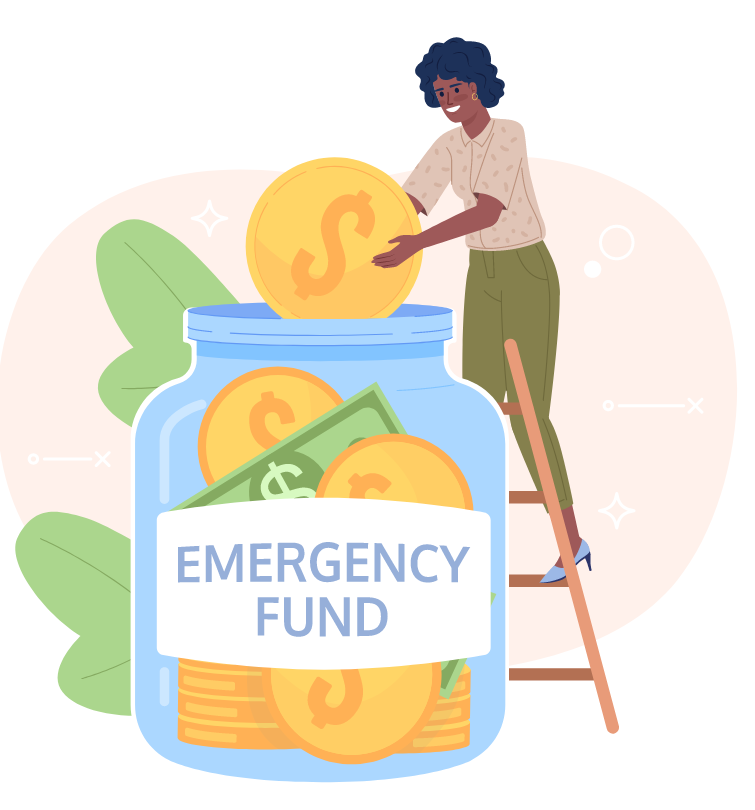
Life’s unexpected financial challenges can catch us off guard. Having an emergency fund can provide a safety net to help cover these unforeseen costs without the need to go into debt or disrupt long-term financial goals.

STEP 7: INCREASE YOUR INCOME

Sometimes cutting expenses isn’t enough to achieve your financial goals quickly. Look for ways to boost your income. Could you ask for a raise, change jobs for a higher salary, or start a side hustle? Maybe now’s the time to turn your hobby into a profit-making venture!

STEP 8: INVEST IN YOUR FUTURE

Investing can be a game-changer in your journey to financial freedom. Research different investment options like stocks, bonds, mutual funds, or real estate. Consider speaking with a financial advisor first before investing to tailor an investment strategy that suits your risk tolerance and financial goals.

STEP 9: STAY EDUCATED AND ADAPT

The financial world is always evolving, and so should your strategies. Keep learning, read books, attend workshops, follow my blogs, and join my community of like-minded individuals via the Learning Hub or Monthly Coaching. The more you know, the better equipped you’ll be to make informed financial decisions.

STEP 10: CELEBRATE YOUR PROGRESS

Don’t forget to celebrate your victories, big or small. Achieving financial freedom is a journey, not a sprint. Set up little rewards for yourself as you hit milestones. This not only makes the process enjoyable but also keeps you motivated.

CONCLUSION

Remember, financial freedom isn’t about having lots of money; it’s about having choices. It’s about living your life on your terms. So, let’s raise our glasses (of budget-friendly wine, of course!) to a brighter, financially free future. 

Here’s to making smart choices, being strategic, and having fun along the way. You’ve got this!

Take Control of Your Finances Today!

Are you tired of living paycheck to paycheck? Do you want to make smarter financial decisions but don’t know where to start? This monthly financial coaching program is designed to help you take control of your finances and achieve your financial goals.

Mastering Budget and Saving Techniques
The Secrets of Financial Independence – It’s Not Just for the Rich

The Secrets of Financial Independence – It’s Not Just for the Rich

Ever dream of telling your boss “I quit” and living life on your own terms? Welcome to the concept of financial independence (FI). Spoiler: You don’t have to be rich to achieve it. With the right mindset, strategies, and determination, anyone can reach financial independence and enjoy the freedom that comes with it.

What is Financial Independence?

Financial independence means having enough savings, investments, and income to cover your living expenses without relying on a traditional job. It’s about having the financial freedom to make choices based on what you want to do, rather than what you have to do to earn a paycheck. 

The Path to Financial Independence

Achieving financial independence is a journey that requires planning, discipline, and a willingness to make some sacrifices. Here’s how you can get started:

STEP 1. LIVE BELOW YOUR MEANS

Living below your means is the foundation of financial independence. It’s about spending less than you earn and saving the difference. This simple but powerful principle helps you build savings and avoid debt.

Action Steps:

  1. Create a Budget: Start by tracking your income and expenses. Create a budget that prioritizes savings and limits discretionary spending.
  2. Cut Unnecessary Expenses: Identify areas where you can reduce spending. This might include dining out less, canceling unused subscriptions, or finding cheaper alternatives for everyday items.
  3. Embrace Frugality: Adopt a frugal mindset by focusing on needs over wants. Find joy in simple, low-cost activities and avoid the trap of lifestyle inflation.

Living below your means allows you to save more and invest in your future, bringing you closer to financial independence.

Use Budgeting Apps

Find Deals and Discounts for Everyday Items

Coupons are a great way to save money on groceries, household items, and even clothing. You can find coupons in newspapers, magazines, and online. Many retailers also offer digital coupons that you can download and use.

STEP 2: SAVE AGGRESSIVELY

To achieve financial independence, you need to save a significant portion of your income. Aim to save at least 50% of your income if possible. While this might seem ambitious, it’s doable with careful planning and commitment.

Action Steps:

  1. Automate Your Savings: Set up automatic transfers to your savings and investment accounts. This ensures you save consistently without having to think about it.
  2. Increase Your Savings Rate Gradually: If saving 50% seems impossible, start with a smaller percentage and gradually increase it. Every little bit helps.
  3. Take Advantage of Tax-Advantaged Accounts: Maximize contributions to retirement accounts like superannuation, 401(k)s and IRAs. These accounts offer tax benefits that can help your savings grow faster.

Aggressive saving speeds up your journey to financial independence by allowing you to accumulate a sizable financial cushion.

STEP 3: INVEST WISELY

Investing is critical for increasing your wealth and becoming financially independent. By investing in a variety of assets, you can generate passive income and build a strong financial portfolio.

Action Steps:

  1. Educate Yourself About Investing: Learn the basics of investing, including different asset classes, risk management, and investment strategies. Books, blogs, and online courses can be valuable resources.
  2. Diversify Your Portfolio: Spread your investments across different asset classes, such as stocks, bonds, and real estate. Diversification reduces risk and increases potential returns.
  3. Focus on Low-Cost Index Funds: Consider investing in low-cost index funds or ETFs. These funds offer broad market exposure and have lower fees compared to actively managed funds.
  4. Reinvent Dividends: Automatically reinvest dividends to benefit from compound interest and grow your investments over time.

Smart investing helps you build wealth and generate passive income, which is essential for financial independence.

STEP 4: DEVELOP MULTIPLE INCOME STREAMS

Relying on one source of income can be risky. To achieve financial independence, diversify your income streams by looking into side hustles, passive income opportunities, and business ventures.

Action Steps:

  1. Identify Your Skills and Talents: Consider how you can monetise your skills and hobbies. This could include freelancing, consulting, or starting a small business.
  2. Explore Passive Income Opportunities: Look into passive income sources like rental properties, dividend stocks, or creating digital products (e.g., eBooks, online courses).
  3. Invest in Real Estate: Real estate can be a valuable addition to your income streams. Consider rental properties, REITs (Real Estate Investment Trusts), or real estate crowdfunding.
  4. Create a Side Hustle: A side hustle can provide extra income and potentially grow into a full-time business. Choose something you enjoy and are passionate about.

Multiple income streams improve your financial stability and speed up your journey to financial independence.

Develop Multiple Income Streams

Develop Multiple Income Streams

With several income sources, you can potentially earn more money than relying on a single job or business. Multiple income streams can also allow you to pursue various interests and passions, leading to a more fulfilling career and it can speed up your journey to financial independence!

STEP 5: MINDSET SHIFT: FOCUS ON THE LONG TERM

To achieve financial independence, you must change your mindset. Instead of seeking immediate gratification, consider the long-term benefits. It’s about making intentional choices that align with your financial goals.

Action Steps:

  1. Set Clear Goals: Define what financial independence means to you. Set specific, measurable, and time-bound goals to guide your journey.
  2. Visualise Your Future: Regularly visualise your life after achieving financial independence. Imagine the freedom, opportunities, and peace of mind you’ll experience.
  3. Practice Patience and Discipline: Stay committed to your goals, even when progress seems slow. Financial independence is a marathon, not a sprint.
  4. Surround Yourself with Supportive People: Engage with like-minded individuals who share your financial goals. Join online communities, attend meetups, or join my monthly coaching program where you will get mentored and supported.

A long-term mindset helps you stay focused and motivated on your journey to financial independence.

STEP 6: MONITOR AND ADJUST YOUR PLAN

Regularly reviewing your progress and adjusting your plan is essential for staying on track. Life changes, and so do your financial circumstances. Be flexible and adapt as needed.

Action Steps:

  1. Track Your Progress: Use financial apps, spreadsheets, or journals to monitor your income, expenses, savings, and investments. Review your progress regularly.
  2. Adjust Your Budget: As your income and expenses change, update your budget to reflect your current situation and goals.
  3. Rebalance Your Portfolio: Periodically review your investment portfolio and rebalance it to maintain your desired asset allocation.
  4. Celebrate Milestones: Acknowledge and celebrate your achievements along the way. Reward yourself for reaching significant milestones, such as paying off debt or reaching a savings goal.

Monitoring and adjusting your plan ensures you stay aligned with your financial goals and continue making progress.

STEP 7: ENJOY THE JOURNEY

The journey to financial independence can be long and challenging, but it’s also rewarding. Enjoy the process and the positive changes you’re making in your life.

Action Steps:

  1. Find Joy in Simple Pleasures: Embrace activities that bring you happiness without costing a lot of money. Enjoy nature, spend time with loved ones, and practice mindfulness.
  2. Focus on Personal Growth: Use this journey as an opportunity for personal growth. Develop new skills, pursue passions, and build meaningful relationships.
  3. Give Back: As you progress towards financial independence, consider giving back to your community. Volunteer, donate, or mentor others on their financial journeys.

Enjoying the journey helps you stay motivated and appreciate the positive impact of your efforts.

Develop Multiple Income Streams

Enjoy the Journey

Find Joy in Simple Pleasures: Embrace activities that bring you happiness without costing a lot of money. Enjoy nature, spend time with loved ones, and practice mindfulness.

Conclusion

Financial independence isn’t just for the rich. With the right mindset, strategies, and commitment, anyone can achieve it. By living below your means, saving aggressively, investing wisely, developing multiple income streams, focusing on the long-term, monitoring your progress, and enjoying the journey, you can reach financial independence and live life on your terms. Start today and take control of your financial future. The freedom and opportunities that come with financial independence are within your reach. You’ve got this!

Learn the fundamental concepts of how budgeting and saving are important to your financial well-being. Registration is now open for the course: Mastering Budget and Saving Techniques. This is a hands-on course with me guiding you on how to budget, track and look at managing your money like a pro.

Mastering Budget and Saving Techniques
Free Budgeting Spreadsheet

MONTHLY COACHING PROGRAM

With years of experience in financial management, Karen offers insightful guidance and coaching on budgeting, saving, debt reduction, and other financial know-how to help you live a life without financial stress.

Regular monthly check-ins ensure you stay on track and motivated. Karen provides the encouragement and support you need to stick to your financial goals and plan.

Why Savings is Important – And No, It’s Not Just for Squirrels

Why Savings is Important – And No, It’s Not Just for Squirrels

Ever seen a squirrel in a panic? Me neither. That’s because they save their acorns for winter. Now, unless you’re planning on a diet of nuts, let’s talk about why saving money is your ticket to a stress-free life.

Why Savings is Important

Saving money might not seem like the most exciting thing, but it’s one of the smartest moves you can make. Here’s why:

1. EMERGENCIES HAPPEN

Life has a funny way of throwing curveballs. Whether it’s a medical emergency, car trouble, or an unexpected job loss, having a savings cushion can turn a potential crisis into a manageable inconvenience. Think of it as your personal financial airbag.

2. OPPORTUNITIES KNOCK

Ever dreamt of starting your own business, going back to school, or taking a sabbatical to travel the world? Savings make these dreams achievable. When opportunities arise, you want to be ready to seize them without financial hesitation.

Starting your own business or going back to school is possible if you have enough savings!

3. PEACE OF MIND

Knowing you have money set aside reduces stress and helps you sleep better at night. It’s about having control over your future and being prepared for whatever comes your way.

4. AVOID DEBT

When you have savings, you’re less likely to rely on credit cards or loans for unexpected expenses. This means you avoid the interest and fees that come with borrowing money, keeping more of your hard-earned cash in your pocket.

5. FINANCIAL FREEDOM

Saving money is the foundation of financial independence. It’s the stepping stone to investing, growing your wealth, and eventually having the freedom to live life on your own terms.

The Psychology of Saving

Saving money isn’t just a financial act; it’s a psychological one. Here’s how to make it work for you:

1. VISUALISE YOUR GOALS

Imagine what your life would look like with a solid savings account. What dreams can you achieve? What stressors disappear? Visualisation can be a powerful motivator.

2. CREATE A SAVINGS RITUAL

Make saving a regular habit. Whether it’s every payday or every week, set a specific time to transfer money into your savings account. Treat it as non-negotiable as paying your rent or mortgage.

3. TRACK YOUR PROGRESS

Use a spreadsheet, an app, or a good old-fashioned journal to track your savings growth. Seeing your progress can be incredibly motivating and reinforce your commitment to saving.

Create a Savings Ritual

4. REWARD YOURSELF

Give yourself small rewards when you hit savings milestones. This doesn’t mean spending a fortune – even a small treat can reinforce positive behavior.

Practical Steps to Start Saving

Now that you understand the importance and psychology of saving, let’s dive into some practical steps to help you get started:

1. START SMALL, DREAM BIG

Begin by saving just $1 a day. It might not seem like much, but over time, it adds up. By the end of the year, you’ll have $365. This can cover a small emergency or give you a sense of accomplishment that motivates you to save even more.

  • Action Step: Set a daily reminder on your phone to transfer $1 to your savings account. Make it a game to see how many days in a row you can keep the streak going.

2. AUTOMATE YOUR SAVINGS

Automation is your best friend when it comes to saving money. Set up automatic transfers from your checking account to your savings account. This way, you’re saving without even thinking about it.

  • Action Step: Log into your online banking and set up a recurring transfer. Start with a small amount that won’t disrupt your budget and gradually increase it as you get more comfortable.

3. NAME YOUR GOALS

Give your savings accounts specific names based on your goals. Whether it’s “Vacation Fund,” “Emergency Cushion,” or “New Car Fund,” naming your accounts makes your goals tangible and exciting.

  • Action Step: Rename your savings accounts in your online banking or create new ones with your chosen names. Visualise each deposit bringing you closer to your goal.

4. CUT UNNECESSARY EXPENSES

Review your monthly expenses and identify areas where you can cut back. Do you really need that premium cable package or daily coffee shop latte? Redirect those funds to your savings instead.

  • Action Step: Take a month to track all your spending. Highlight non-essential expenses and challenge yourself to eliminate or reduce them. Channel the saved money into your savings account.

5. MAKE SAVING FUN

Turn saving into a game. Challenge yourself to save a specific amount each week or month and track your progress. Reward yourself for hitting your targets.

  • Action Step: Create a savings challenge with a friend or family member. Set a goal and see who can save the most by a certain date. The winner gets a small, fun prize.

Overcoming Common Savings Obstacles

Saving money can be challenging, especially when life gets in the way. Here’s how to overcome common obstacles:

1. LIVING PAYCHECK TO PAYCHECK

If you’re barely making ends meet, saving can feel impossible. Start with small amounts and gradually increase them as you find ways to cut costs or increase your income.

  • Action Step: Commit to saving even a small amount each month. Look for ways to boost your income, such as a side gig or selling unused items.

2. DEBT

If you have high-interest debt, focus on paying it off first. However, still set aside a small amount for savings to build the habit and provide a buffer for emergencies.

  • Action Step: Allocate a portion of your budget to debt repayment and a smaller portion to savings. As your debt decreases, increase your savings contributions.

Commit to saving even a small amount each month.

Teaching kids about saving money with a piggy bank can be a fun and educational experience. Teach them how to create a simple budget, allocating money for saving, spending, and giving. When they’re ready, help them open a savings account at a bank to teach them about banking and earning interest.

3. INCONSISTENT INCOME

If your income varies month to month, saving can be tricky. Create a budget based on your lowest monthly income and save more during high-income months.

  • Action Step: Calculate your average monthly income and expenses. Save any surplus during high-income months to cover shortfalls during leaner times.

4. LACK OF MOTIVATION

If saving feels like a chore, find ways to make it more engaging. Set short-term goals and celebrate your progress along the way. 

  • Action Step: Create a vision board with images and quotes that represent your savings goals. Place it somewhere you’ll see it daily to stay motivated.

The Long-Term Benefits of Saving

Saving money isn’t just about covering emergencies or achieving short-term goals. It’s about creating a foundation for long-term financial stability and freedom. Here’s what you can look forward to:

1. RETIREMENT SECURITY

The earlier you start saving for retirement, the more time your money has to grow. Compound interest works its magic over the years, helping you build a substantial nest egg.

2. FINANCIAL INDEPENDENCE

Saving and investing wisely can lead to financial independence, where you have enough assets to cover your living expenses without relying on a traditional job. This opens up opportunities to pursue passions, travel, or even retire early.

3. GENERATIONAL WEALTH

Building savings and wealth allows you to support your family and create a legacy for future generations. You can provide for your children’s education, help them buy their first home, or leave an inheritance.

4. FREEDOM TO TAKE RISKS

With a healthy savings cushion, you have the freedom to take calculated risks, such as starting a business, switching careers, or pursuing further education. You’re not tied down by financial constraints. 

Generational Wealth

Generational Wealth

Building savings and wealth allows you to support your family and create a legacy for future generations.

Conclusion

Saving money isn’t just about covering emergencies or achieving short-term goals. It’s about creating a foundation for long-term financial stability and freedom. Here

Learn the fundamental concepts of how budgeting and saving are important to your financial well-being. Registration is now open for the course: Mastering Budget and Saving Techniques. This is a hands-on course with me guiding you on how to budget, track and look at managing your money like a pro.

Mastering Budget and Saving Techniques

The Importance of a Personalised Budgeting System

The Importance of a Personalised Budgeting System

Whether you’re saving for your first home, planning a big holiday, or just trying to ensure you don’t run out of cash before payday, a budget tailored to your needs can make all the difference.

What is a Personalised Budgeting System?

A personalised budgeting system is a financial plan designed to suit your unique income, expenses, lifestyle, and goals. Unlike generic budgeting methods, which often take a one-size-fits-all approach, a personalised budget takes into account your specific situation. This means it can help you manage your money more effectively and achieve your financial goals more efficiently.

Personalised Budgeting System

Why Is It Important?

1. CONTROL OVER YOUR FINANCES

A personalised budget gives you a clear picture of where your money is going. This control helps you make informed decisions about spending and saving. By knowing exactly how much you have and what you need to cover, you can avoid overspending and reduce financial stress.

2. TAILORED TO YOUR GOALS

Whether you’re saving for a down payment on a house in Perth, planning a trip across Europe, or building an emergency fund, a personalised budget helps you allocate funds towards your specific goals. This targeted approach means you can make steady progress without feeling deprived.

3. FLEXIBILITY

Life is unpredictable, and a personalised budget can adapt to changes in your circumstances. If you get a pay rise, change jobs, or face unexpected expenses, your budget can be adjusted to reflect your new reality. This flexibility ensures that your financial plan remains relevant and effective no matter what life throws at you.

4. BETTER SPENDING HABITS

By tracking your expenses, a personalised budget can help you identify and eliminate bad spending habits. You might be surprised at how much you spend on takeaway coffees or impulse buys. Recognising these patterns is the first step towards making more mindful choices.

5. PEACE OF MIND

Knowing you have a plan in place can significantly reduce financial anxiety. With a personalised budget, you can prepare for the future with confidence, knowing you have a roadmap to guide you. This peace of mind allows you to enjoy life more fully without constantly worrying about money.

With a personalised budget, you can prepare for the future with confidence.

Learn the fundamental concepts of how budgeting and saving are important to your financial well-being. Registration is now open for the course: Mastering Budget and Saving Techniques. This is a hands-on course with me guiding you on how to budget, track and look at managing your money like a pro.

ENTER THE CODE WORD: BUDGETING2024 to get $100 off this course.

Mastering Budget and Saving Techniques
What are Some Smart Ways to Handle Unexpected Financial Emergencies?

What are Some Smart Ways to Handle Unexpected Financial Emergencies?

Handling unexpected financial emergencies requires a mix of planning, resourcefulness, and informed decision-making. Here are some smart ways to manage such situations:

EMERGENCY FUND

The best strategy is to have an emergency fund. This should ideally cover 3-6 months of living expenses and be easily accessible.

BUDGET ADJUSTMENTS

Review and adjust your budget to cut non-essential expenses. Temporarily reducing discretionary spending can free up funds.

LIQUIDATE NON-ESSENTIAL ITEMS

Consider selling items you don’t need. This could include electronics, jewellery, or other valuables.

Emergency Fund

Emergency funds create a financial buffer that can keep you afloat in a time of need without having to rely on credit cards or high-interest loans.

USE OF CREDIT WISELY

If you have access to credit lines or credit cards, use them wisely. Ensure that you understand the terms and interest rates to avoid worsening your financial situation.

PAYMENT PLANS

Contact creditors or service providers to negotiate payment plans or extensions. Many are willing to work with you during hardships.

INSURANCE CLAIMS

If your emergency is due to events like accidents, natural disasters, or health issues, check if your insurance policies can provide financial relief.

GOVERNMENT ASSISTANCE AND COMMUNITY RESOURCES

Explore if you’re eligible for any government relief programs or community assistance during your crisis.

SIDE JOBS OR FREELANCING

Consider taking on temporary work or freelancing to generate additional income.

FAMILY AND FRIENDS

As a last resort, consider borrowing from family or friends. Be sure to treat it as a formal loan and communicate clearly about repayment terms.

FINANCIAL COUNSELLING

Seek advice from a financial counsellor or advisor. They can offer personalised advice and help you plan for the future.

INVEST IN EDUCATION AND SKILL DEVELOPMENT

In the long term, improving your skills can lead to better job opportunities and higher income, making you more resilient to financial emergencies.

REGULAR FINANCIAL REVIEWS

Regularly review your financial situation to adjust your savings and spending, keeping potential emergencies in mind.

Remember, personal finance is personal. Your priorities and goals will dictate how you manage your spending, so tailor these steps to fit your unique situation.

Invest in Education and Skill Development

Learn the fundamental concepts of how budgeting and saving are important to your financial well-being. Registration is now open for the course: Mastering Budget and Saving Techniques. This is a hands-on course with me guiding you on how to budget, track and look at managing your money like a pro.

ENTER THE CODE WORD: BUDGETING2024 to get $100 off this course.

Mastering Budget and Saving Techniques