
Year-End Financial Check-Up: 7 Key Steps to Close 2024 with Confidence

Year-End Financial Check-Up: 7 Key Steps to Close 2024 with Confidence

As the year wraps up, it’s time to give your finances a little TLC and prepare to start the new year strong! Think of this as your yearly financial check-up, a simple routine that sets you up for a financially fit future. Here are seven straightforward steps to help you close out 2024 with confidence.

1. Review Your Budget with Fresh Eyes

December is perfect for giving your budget a quick health check. Ask yourself:

    • Did you stick to your budget most months?
    • Are there categories where you regularly overspent?

If you find that certain areas of your budget were tough to stick to, don’t worry; you’re not alone! Make notes on what worked and what didn’t, and consider if those categories need adjusting. Next year’s budget will feel easier to manage if it aligns more closely with your actual spending patterns.

2. Evaluate Your Financial Goals for 2024

Reflect on the goals you set at the beginning of 2024. Did you aim to build an emergency fund, pay off a certain amount of debt, or save for a big purchase? Take a moment to celebrate any wins, big or small, you’ve earned it! If there were goals you couldn’t reach, try to pinpoint what might have held you back. Life happens, and sometimes, adjustments are necessary. Use these reflections to set realistic goals for 2025 that build on the progress you’ve made.

Audit Your Subscriptions and Recurring Expenses

3. Audit Your Subscriptions and Recurring Expenses

Subscriptions can sneak up on you! Take a look at all the services you’re subscribed to, streaming platforms, gym memberships, software, meal kits and decide if they’re still worth the monthly or annual fee. Ask yourself:

    • Do you use each service enough to justify the cost?
    • Are there better deals or bundles that could help you save?

Canceling or downgrading services you no longer use can free up cash you can redirect toward your savings or debt goals.

4. Set a Holiday Spending Plan

The holiday season can be a big budget-buster if you’re not careful. This December, approach holiday spending with a clear plan:

    • Set a total holiday budget and stick to it.
    • Focus on meaningful gifts within your budget and avoid last-minute splurges.
    • Consider experiences instead of material items, they often make more memorable gifts and can be cost-effective.

You’ll thank yourself in January when your credit card bills aren’t sky-high!

5. Check-in On Your Emergency Fund


Your emergency fund is your financial safety net, and December is a great time to assess its status. Ideally, you want enough to cover three to six months’ worth of essential expenses.

If your fund has been depleted due to unexpected expenses this year, make a plan to rebuild it. If it’s in good shape, well done!

Consider adding a little extra, even if it’s just a small amount each month, it’s always better to be prepared.

You want enough to cover three to six months’ worth of essential expenses on your emergency fund

5. Update Your Financial Goals for 2025

End the year by setting some intentional goals for 2025. These don’t have to be massive changes; small, achievable goals can have a big impact on your financial future. A few ideas:

    • Set a target for increasing your savings rate, even if it’s by a modest amount.
    • Commit to paying down a certain percentage of your debt.
    • Plan to invest in education or skills that could lead to higher income opportunities.

Whatever your financial goals, write them down and keep them visible. By starting now, you’ll be well-prepared to tackle them come January.

End the year by setting some intentional goals for 2025.

Final Thoughts

Closing out the year with a financial check-up is a powerful way to put yourself in the driver’s seat for 2025. These six steps are simple but effective and give you a clear view of your financial health. Here’s to closing out 2024 strong and stepping into 2025 with confidence!

Are you ready to make 2025 your breakthrough year?

MASTER YOUR MONEY is for YOU if you are tired of financial stress and ready to transform your relationship with money. Whether you’re managing a family, building your career, or chasing your dreams, this is your chance to gain the clarity, confidence, and habits you need to thrive.

This is more than a mindset shift—it’s a transformational program that puts you on the path to lasting financial success! ? Click the button below to book a call with Karen to see if this program is right for you!

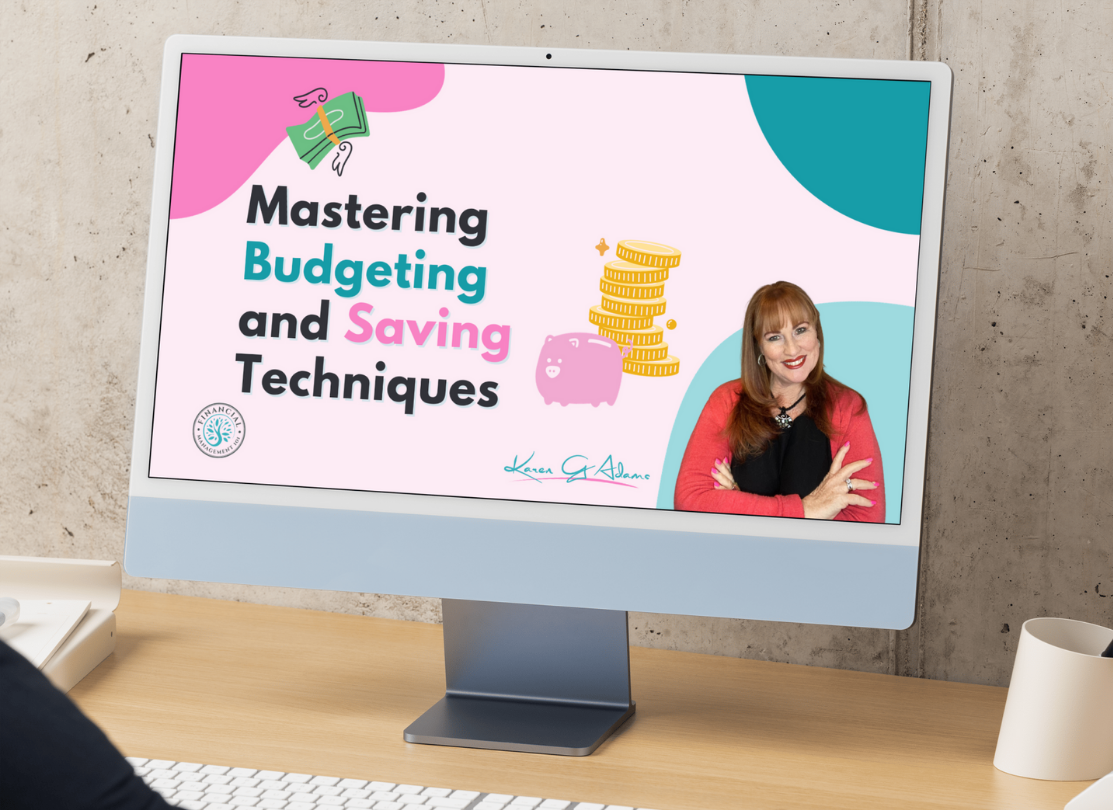
Mastering Budget and Saving Techniques
The Great Balancing Act: Juggling Financial Goals and Family Life in Your 40s and 50s

The Great Balancing Act: Juggling Financial Goals and Family Life in Your 40s and 50s

Welcome to the circus, where you star in the world’s greatest balancing act! Between raising kids, saving for college, and planning for retirement, it’s easy to feel like you’re juggling flaming torches while riding a unicycle. Do not worry, my friend. Your financial coach is here to help you master the art of balance (with no singed brows).

1. PRIORITISE LIKE A PRO

When you’re juggling multiple financial goals, prioritisation is key. Start by listing all your financial goals—short-term, medium-term, and long-term. Then, rank them by importance and urgency. Focus on the top priorities first. For most people, this includes building an emergency fund, paying off high-interest debt, and contributing to retirement accounts. Once the essentials are covered, you can allocate funds to other goals like college savings or that dream vacation.

Use Budgeting Apps

Family Budget Meetings

Budget meetings do not have to be boring. Make them fun and engaging for the entire family. By involving the whole family, you’ll teach your kids valuable money management skills and ensure everyone is on the same page.

2. FAMILY BUDGET MEETINGS: THE FUN VERSION

Budget meetings do not have to be boring. Make them fun and engaging for the entire family. Set aside a regular time each month to review your budget, track progress towards goals, and discuss any changes. Get everyone involved. Use charts, graphs, and even stickers to make it more interactive. Do not forget the snacks; everything is better with them. By involving the whole family, you’ll teach your kids valuable money management skills and ensure everyone is on the same page.

3. COLLEGE SAVINGS: DON’T BREAK THE BANK

Saving for college can feel like a daunting task, but it doesn’t have to break the bank. Start by exploring funds, which offer tax advantages for education savings. Set up automatic contributions to make saving easier. If you’re getting a late start, don’t panic. Encourage your kids to apply for scholarships, grants, and work-study programs. And remember, there’s no shame in starting at a community college or attending a state school. The goal is to get an education without a mountain of debt.

4. RETIREMENT SAVINGS: THE LONG GAME

It can be difficult to balance college savings and retirement plans, but keep in mind that there are no retirement scholarships. Prioritise your retirement savings first. If you are falling behind, consider increasing your contributions, delaying retirement, or looking into part-time work in retirement. The key is to remain adaptable and focused on the long-term goal. And, if you end up working a little longer, consider it extra time to improve your golf game or finally finish that novel.

5. SMART SPENDING: THE ART OF SAYING NO

With kids, there’s always something new to spend money on—gadgets, sports, extracurricular activities, you name it. Learning to say no (or at least “not right now”) is essential. Teach your kids the value of money by involving them in budget decisions. Show them how saving for a big goal means making sacrifices in the short term. And lead by example. If they see you making smart spending choices, they’re more likely to follow suit.

Smart Spending

6. FAMILY FUN ON A BUDGET

Quality family time doesn’t have to come with a hefty price tag. Look for free or low-cost activities in your community. Parks, hiking trails, and local events can provide endless entertainment without breaking the bank. Get creative at home with game nights, DIY projects, or cooking together. The goal is to create memories, not rack up credit card debt.

7. SELF-CARE IS NOT SELFISH

Remember to take care of yourself amidst all the financial juggling. Self-care isn’t selfish—it’s necessary. Set aside time and money for activities that recharge your batteries, whether it’s a hobby, exercise, or a weekend getaway. A well-rested, happy you is better able to cope with the financial and emotional demands of family life. Plus, it sets a great example for your kids about the importance of self-care.

8. GET PROFESSIONAL HELP WHEN NEEDED

There is no shame in seeking professional assistance with your finances. A financial advisor and coach, like myself, can offer valuable insights, assist you in developing a comprehensive plan, and keep you on track. Look for an advisor who acts in your best interest. Sometimes an outside perspective is all you need to see the big picture and make sound decisions.

Balancing financial goals and family life is no easy task, but with a little planning, smart choices, and a healthy dose of humour, you can master the great balancing act. Now, go out and conquer that budget—your financial circus awaits!

Learn the fundamental concepts of how budgeting and saving are important to your financial well-being. Registration is now open for the course: Mastering Budget and Saving Techniques. This is a hands-on course with me guiding you on how to budget, track and look at managing your money like a pro.

Mastering Budget and Saving Techniques
Free Budgeting Spreadsheet

MONTHLY COACHING

Take Control of Your Finances Today!

Are you tired of living paycheck to paycheck? Do you want to make smarter financial decisions but don’t know where to start? This monthly financial coaching program is designed to help you take control of your finances and achieve your financial goals.