Are You Ignoring Your Financial Safety Net? Why Wills & Estate Planning Matter (Even If You’re Young!)

Are You Ignoring Your Financial Safety Net? Why Wills & Estate Planning Matter (Even If You’re Young!)

Alright, friend… it’s time we talk about something that everyone needs, but almost no one wants to deal with.

Wills. Estate Planning. Life insurance.

Did your eyes just glaze over?

Did you suddenly feel an overwhelming urge to click away or scroll to the fun stuff on Instagram?
Stay with me, because this may just be one of the most important money conversations you’ll ever have. Here’s the hard truth:

If you’re ignoring estate planning because you think it’s “only for rich people” or “something I can figure out later,” you’re playing a dangerous game with your financial future, and the people you love most.
In this post, I’m going to:

  • Bust the biggest myths about wills and estate planning.
  • Show you why everyone (yes, even you!) needs a plan.
  • Break down exactly what you need to do – without confusing legal jargon.
  • Help you take simple, meaningful action to protect your future.

And don’t worry, this isn’t going to be dry or boring.

We’re going to make this approachable, empowering, and (dare I say?) a little fun. Because protecting your future should feel like an act of love and self-respect, not something you dread.

? Myth #1: “Estate Planning Is Only for Rich People”

Let’s start here, because this myth is everywhere. When most people hear the phrase “estate planning,” they picture wealthy people with sprawling mansions, yachts, and family fortunes that need protecting. But here’s the truth: If you own anything – even a car, a bank account, or a pet – you have an estate.

Estate planning isn’t just for millionaires. It’s for:

  • The young professional with a growing savings account.
  • The parent who wants to protect their kids.
  • The small business owner with assets tied to their company.
  • The renter with a car loan and a retirement fund.

If you have money, possessions, dependents, or even digital assets – estate planning applies to you.

If you own anything - even a car, a bank account, or a pet - you have an estate.

? Why Avoiding Estate Planning Could Cost You (Big Time)

I get it – thinking about wills, death, and “what ifs” isn’t exactly a fun Friday night activity. But here’s the thing… Avoiding estate planning doesn’t make it go away. It just creates more chaos for the people you care about most. Without a will or estate plan in place:

  • The courts decide who gets your assets – and it may not align with your wishes.
  • Your loved ones could be tied up in legal battles for months (or even years).
  • Minor children could end up with a guardian chosen by the court – not you.
  • Your hard-earned money could get eaten up by legal fees, taxes, or other costs.

In short, not planning can create stress, delays, and heartache at the worst possible time.

But when you take just a little time to set up your financial safety net? You give your loved ones clarity, protection, and peace of mind.

? “But I’m Too Young for a Will!”

Another common myth? Thinking you’re too young to need a will. Here’s a little truth bomb:

Wills aren’t about age – they’re about responsibility.

You may not think you need one yet, but ask yourself:

  • Do you have savings, retirement accounts, or life insurance?
  • Do you have pets who rely on you?
  • Do you own a car, home, or business?
  • Do you have people who depend on your income?
  • Do you have strong opinions about where your money should go if something happens to you?

If you answered yes to any of those, it’s time to start planning. Remember—estate planning isn’t about expecting the worst. It’s about being prepared for whatever life throws your way.

✨ Estate Planning: It’s Not Just About Death – It’s About Life, Too!

One of the most overlooked parts of estate planning? It’s not just about what happens after you’re gone. It also protects you while you’re alive, especially if you ever:

  • Become seriously ill.
  • Get injured and can’t manage your finances or healthcare decisions.

Your estate plan can include documents like:

  • Power of Attorney: Designating someone you trust to manage your finances if you can’t.
  • Healthcare Directive: Outlining your wishes for medical treatment and end-of-life care.
  • Guardianship Designations: Naming who will care for your minor children if you’re unable to.

These documents ensure your voice is heard – no matter what.

? What’s Actually Included in a Basic Estate Plan?

Let’s strip away the legal jargon and break this down simply. Here’s what most people need in their estate plan:

1. A Will

This legal document spells out:

  • Who will inherit your assets (money, property, belongings, etc.).
  • Who will take care of your children or dependents (if applicable).
  • Who will manage your estate (called an executor)

What To Include in A Basic Estate Plan

2. Power of Attorney (POA)

This gives someone legal authority to:

  • Handle your finances if you’re incapacitated.
  • Make decisions on your behalf if you can’t.

3. Healthcare Directive (Living Will)

This outlines your medical wishes if you’re unable to communicate them.

4. Beneficiary Designations

Certain accounts (like life insurance, retirement accounts, and some bank accounts) allow you to name a beneficiary directly. These override your will, so it’s crucial to keep them updated.

5. Guardianship Designations (If Applicable)

If you have minor children, this document names who you want to raise them if you’re unable to.

Bonus: Trusts (Optional for Some)

While not necessary for everyone, trusts can:

  • Help avoid probate (the legal process of validating a will).
  • Provide additional control over how and when assets are distributed.
  • Offer potential tax benefits.

? How to Get Started with Estate Planning (Without Feeling Overwhelmed)

Deep breath – this doesn’t have to be complicated! Here’s how to start, step by step:

Step 1: Take Inventory

List all your:

  • Bank accounts
  • Retirement accounts
  • Investments
  • Properties
  • Vehicles
  • Insurance policies
  • Personal belongings of high value
  • Digital assets (crypto, social media, etc.)

Step 2: Clarify Your Wishes

Think about:

  • Who should inherit your assets?
  • Who do you trust to handle your finances and healthcare if needed?
  • Who would you want to care for your kids or pets?
  • Are there any charitable causes you’d like to support?

Step 3: Get Legal Help (If Needed)

While you can create simple wills online for a low cost, it’s often wise to consult an estate attorney, especially if:

  • You have significant assets.
  • You own a business.
  • You have a blended family or complex situation.

Step 4: Communicate Your Plan

This is the step most people skip, but it’s essential! Let your loved ones know:

  • That you’ve created an estate plan.
  • Where they can find the documents.
  • Who has been designated for certain roles.

Transparency now avoids confusion later.

Step 5: Review & Update Regularly

Life changes – your estate plan should too. Revisit your documents anytime you:

  • Get married or divorced.
  • Have children.
  • Move to a new state (laws vary).
  • Experience major financial changes.

? But What If You Don’t Have Much to Leave Behind?

Here’s a powerful truth: Estate planning isn’t just about leaving behind money – it’s about leaving behind clarity. Even if your financial picture feels “small” right now, your loved ones will still need to:

  • Handle your debts and bills.
  • Access your accounts.
  • Close out your digital presence.
  • Make healthcare decisions if needed.

Having a clear plan ensures they can do so smoothly. Plus, it sends a strong message: “I respect myself and the people I care about enough to plan ahead.”

? Estate Planning = Empowerment, Not Fear

I get it – this can all feel heavy. But here’s how I want you to reframe it:

Estate planning isn’t about preparing for doom and gloom.

It’s about:

  • Taking ownership of your life.
  • Protecting your family.
  • Making your wishes known.
  • Creating peace of mind, for you and for those you love.

It’s one of the most profound acts of love and responsibility you can make.

? How This Connects to Your Financial Breakthrough

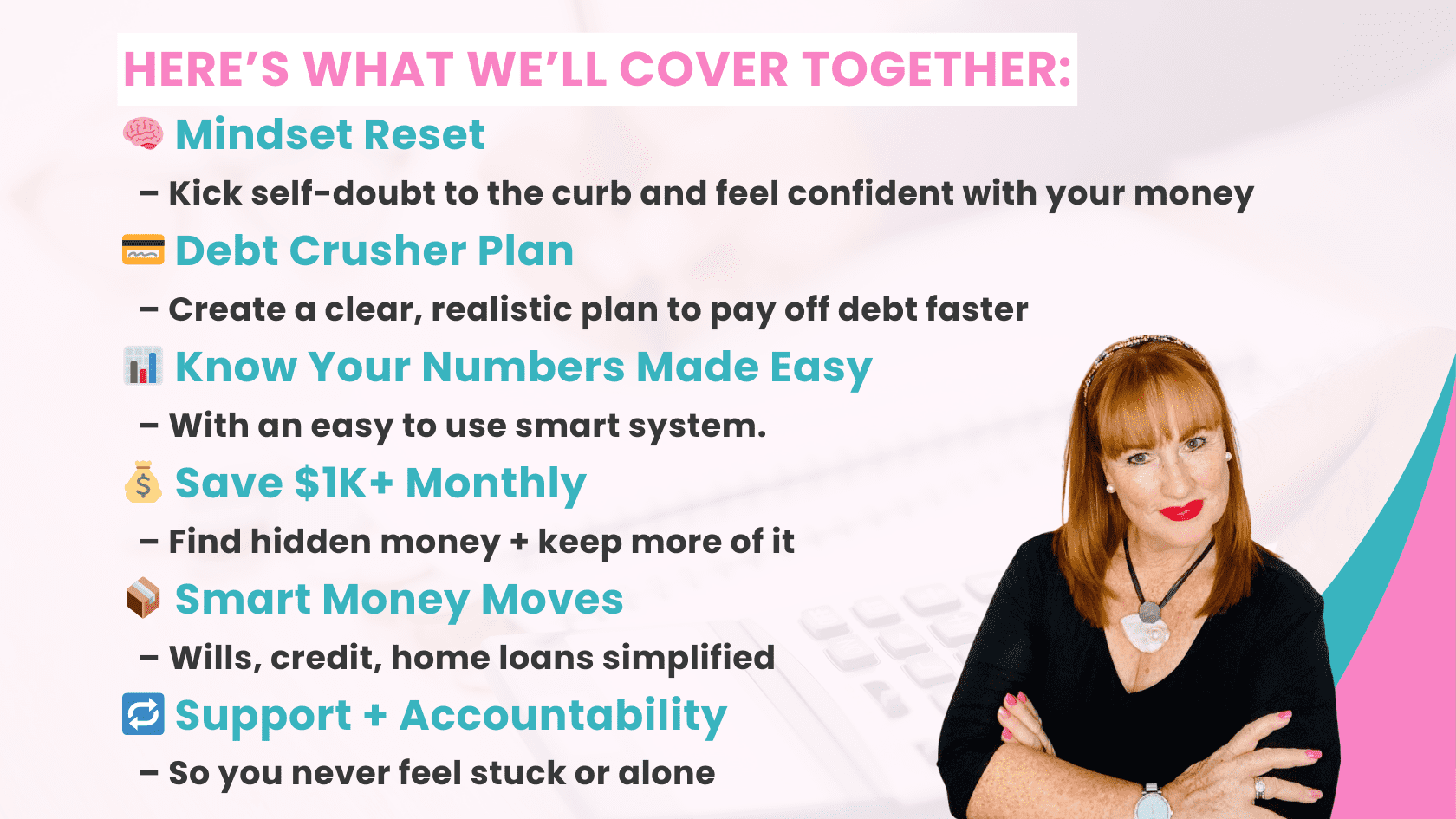
In my Your Financial Freedom Breakthrough™ – 90 Day Money Makeover program, we don’t just focus on day-to-day money tasks like budgeting and debt. We go deeper, because true financial empowerment covers everything. That includes:

  • Building your savings.
  • Tackling your debt.
  • Creating an intentional spending plan.
  • AND making sure your financial house is in order with estate planning.

Most programs skip this step, but I refuse to. Why? Because I’ve seen firsthand how having a financial safety net changes lives.

In the program, you’ll:

  • Learn exactly what legal documents you need.
  • Get simple checklists to help you start (even if you’re a total beginner).
  • Be guided through tough but important questions with compassion and clarity.

It’s all about making this process approachable, doable, and even empowering.

? Ready to Take Action? (Mini Challenge!)

Let’s get you started today with a bite-sized action step.

Estate Planning Mini Challenge:

Make a list of ALL your current accounts and assets. Check the beneficiaries on your bank accounts and retirement funds. Update them if needed.

Choose ONE document to tackle this month:

  • Will
  • Power of Attorney
  • Healthcare Directive

Start with the easiest one for you. This tiny step will start creating massive peace of mind, and it’s easier than you think.

? Final Thoughts: Your Legacy Starts Now

Here’s what I want you to remember: Estate planning isn’t just for “older” or “wealthy” people – it’s for everyone who wants to protect their future.

You don’t need to do it all at once, but starting somewhere is powerful. This isn’t about fear – it’s about empowerment, peace of mind, and love.

And if you’re ready to take this even further to finally build a money plan that covers everything from budgeting to wills and beyond, get ready. My Your Financial Freedom Breakthrough™ – 90 Day Money Makeover opens on September 10th, and it’s designed to help you:

  • Create lasting financial change.
  • Build a money system that works for your life.
  • Feel empowered, organised, and confident with your finances – once and for all.

You’ve got this, and I’m cheering you on every step of the way.

Your Financial Freedom Breakthrough™
Your Financial Freedom Breakthrough™ - Scope
How to Become Debt-Free: A Step-by-Step Guide to Financial Freedom

How to Become Debt-Free: A Step-by-Step Guide to Financial Freedom

Are you tired of feeling trapped by debt? You’re not alone. Debt can feel like a heavy burden, but the good news is that it doesn’t have to be a lifelong sentence. With the right mindset and strategies, you can break free from debt and start building a more secure financial future. Let’s dive into the steps to becoming debt-free and reclaiming control over your finances!

1. UNDERSTAND YOUR DEBT SITUATION

Before you can tackle your debt, you need to have a clear understanding of what you’re dealing with. Start by making a list of all your debts, including:

  • Credit cards
  • Student loans
  • Personal loans
  • Car loans
  • Mortgage

For each debt, write down the total amount owed, the interest rate, and the minimum monthly payment. This will give you a comprehensive view of your debt landscape and help you prioritise which debts to focus on first.  If you need a little hand with getting this down, you can download my FREE debt repayment spreadsheet by clicking HERE.

2. CREATE A BUDGET AND STICK TO IT

Creating a budget is an important step towards debt freedom. A budget helps you track your income and expenses, ensuring you’re not spending more than you earn. Here’s how to create an effective budget:

  • Calculate your monthly income: Include all sources of income, such as your salary, side gigs, and any other earnings.
  • List your monthly expenses: Categorise your expenses into essentials (like rent, utilities, groceries) and non-essentials (like dining out, entertainment).
  • Allocate funds for debt repayment: After covering your essentials, allocate a portion of your income specifically for debt repayment.

Sticking to your budget requires discipline, but it’s essential if you want to make significant progress towards becoming debt-free.

Want some help creating your budget then download my FREE budget spreadsheet where I make it easier to workout what’s happening with your money. Click HERE.

3. CUT UNNECESSARY EXPENSES

One of the quickest ways to free up money for debt repayment is by cutting unnecessary expenses. Review your budget and identify areas where you can reduce spending. Here are some common areas where people tend to overspend:

  • Dining out: Try cooking at home more often.
  • Subscription services: Cancel subscriptions you don’t use regularly.
  • Impulse purchases: Avoid buying items you don’t need by implementing a 24-hour rule before making non-essential purchases.

Remember, every dollar saved is a dollar that can go towards paying off your debt faster!

4. CHOOSE A DEBT REPAYMENT STRATEGY

There are several strategies for repaying debt, but two of the most popular are the Debt Snowball and Debt Avalanche methods:

  • Debt Snowball Method: Focus on paying off your smallest debt first while making minimum payments on all others. Once the smallest debt is paid off, move on to the next smallest. This method gives you quick wins and boosts motivation.
  • Debt Avalanche Method: Focus on paying off the debt with the highest interest rate first while making minimum payments on all others. This method saves you the most money in interest over time.

Choose the method that resonates most with you and start chipping away at your debt!

5. INCREASE YOUR INCOME

If cutting expenses isn’t enough, consider ways to increase your income. This additional income can be used entirely for debt repayment. Here are a few ideas to boost your income:

  • Take on a side hustle: Consider freelancing, tutoring, or driving for a ride-share service.
  • Sell unused items: Declutter your home and sell items you no longer need.
  • Ask for a raise or promotion: If you’ve been excelling at work, now might be the time to ask for a raise.

Every bit of extra income helps in accelerating your journey to becoming debt-free.

6. BUILD AN EMERGENCY FUND 

While it might seem counterintuitive to save money when you’re trying to pay off debt, having an emergency fund is crucial. An emergency fund acts as a financial safety net, preventing you from going deeper into debt when unexpected expenses arise. Aim to save at least $1,000 initially and gradually build it to cover 3-6 months’ worth of expenses.

7. NEGOTIATE LOWER INTEREST RATES

High-interest rates can significantly increase the amount you owe over time. Don’t be afraid to negotiate with your creditors to lower your interest rates. Here’s how:

  • Call your creditors: Explain your financial situation and request a lower interest rate.
  • Consider transferring your balance: Some credit cards offer 0% interest on balance transfers for a limited period. This can help reduce interest costs and pay off debt faster.
  • Refinance loans: Refinancing can lower your interest rate and reduce monthly payments.

Lowering your interest rates means more of your payments go towards reducing the principal amount, helping you get out of debt faster.

8. AVOID NEW DEBT

While you’re working to become debt-free, it’s essential to avoid accumulating new debt. Resist the temptation to use credit cards or take out new loans. If necessary, consider freezing your credit to prevent taking on new debt until you’re back on solid financial footing.

9. TRACK YOUR PROGRESS AND CELEBRATE MILESTONES

Tracking your progress is vital to staying motivated. Use a debt repayment tracker or app to monitor your journey. Celebrate each milestone you reach, whether it’s paying off a specific amount or clearing a particular debt. Celebrating these wins keeps you motivated and committed to your goal.

10. SEEK PROFESSIONAL HELP IF NEEDED

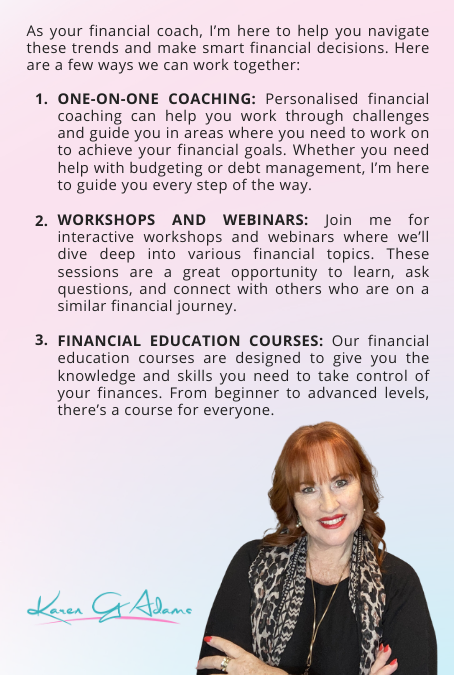
If your debt feels overwhelming, or if you’re struggling to create a repayment plan, consider seeking help from me as your financial coach. As a financial coach, I can provide personalised advice and strategies tailored to your situation, helping you navigate your way out of debt more effectively.

11. STAY COMMITTED TO THE JOURNEY

Becoming debt-free is a marathon, not a sprint. It requires time, effort, and unwavering commitment. There will be challenges along the way, but staying focused on your goal will make the journey worth it. Remember, the freedom and peace of mind that come with being debt-free are invaluable.


CONCLUSION: EMBRACE YOUR FINANCIAL FREEDOM

Becoming debt-free is one of the most empowering steps you can take for your financial future. It opens up a world of possibilities, from building wealth to achieving your financial dreams. By understanding your debt, creating a budget, cutting expenses, increasing your income, and sticking to a debt repayment strategy, you’re well on your way to financial freedom.

Start today—your debt-free future awaits!

By following these steps and staying committed, you’ll not only become debt-free but also build a strong foundation for a financially secure future. Remember, every step you take towards eliminating debt brings you closer to the life you desire.

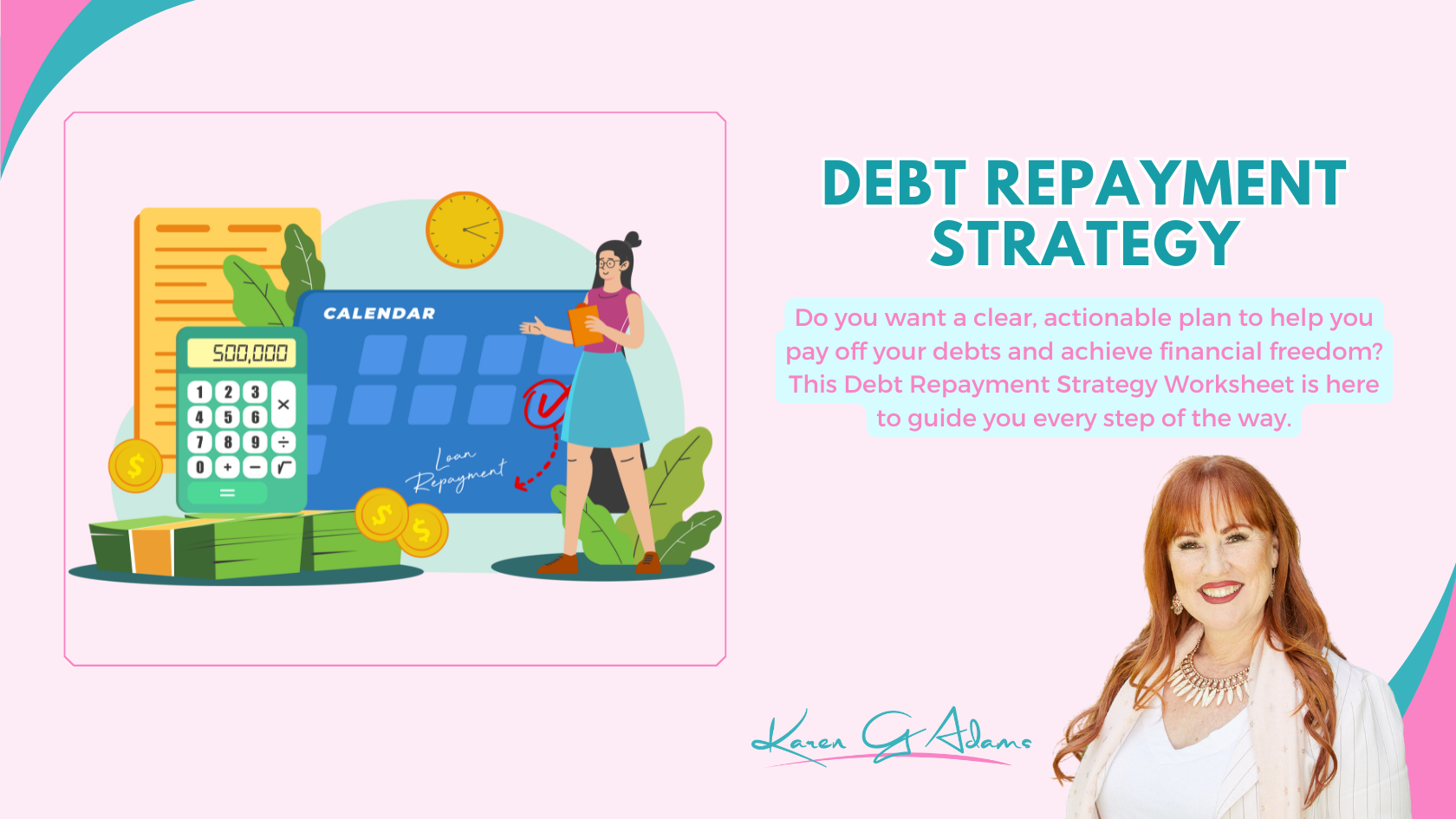
Are you feeling overwhelmed by debt? Do you want a clear, actionable plan to help you pay off your debts and achieve financial freedom? This Debt Repayment Strategy Worksheet is here to guide you every step of the way.

Mastering Budget and Saving Techniques
Free Budgeting Spreadsheet

GRAB YOUR OWN COPY FOR FREE

YOUR MONEY eMagazine

Are you ready to take control of your finances and secure a brighter future?

Dive into “Your Money,” the premier e-magazine by Karen G Adams, the Founder of Financial Management 101.

Subscribe for FREE!

Empty Nest, Full Wallet: How to Thrive Financially When the Kids Leave Home

Empty Nest, Full Wallet: How to Thrive Financially When the Kids Leave Home

Ah, the empty nest—a time of mixed emotions. On one hand, you’re sad to see your kids go; on the other hand, you’re secretly excited about the extra closet space and lower grocery bills. But what about your finances? With the kids out of the house, it’s the perfect time to reassess your financial situation and set yourself up for a thriving future. Let us get started, with a healthy dose of humour to keep things light.


However, a side note: if you’ve still got your adult kids at home, then this may still be relevant, especially if your kids are working and earning an income, which can now contribute to the household to help out with the bills and groceries.

1. CELEBRATE YOUR FINANCIAL FREEDOM

First things first, take a moment to celebrate. You’ve raised your kids and launched them into the world—no small feat! Now, it’s time to focus on you. Review your budget and make adjustments to reflect changes in your household. With fewer expenses, you may find more money to put towards your financial goals. Give yourself a small reward for all your hard work. You’ve earned it!

2. TURBOCHARGE YOUR RETIREMENT SAVINGS

With the kids out of the house, if not, it is still time to ramp up your retirement savings. Increase your contributions to your retirement accounts. If you’re over 50, take advantage of catch-up contributions. Review your investment portfolio and ensure it aligns with your retirement goals. Consider consulting with a financial advisor to optimise your strategy. Remember, the goal is to ensure a comfortable and secure retirement.

3. DOWNSIZE OR RIGHT-SIZE YOUR HOME

If you are lucky and the kids have left, you might find your house feels a little too big. Consider downsizing into a smaller, more manageable home. This can free up equity, cut maintenance costs, and lower utility bills. If downsizing is not an option, consider right-sizing—making changes to your current home to better meet your needs. Whether it’s converting a bedroom into a home office or creating a cosy guest room, the goal is to make your home work for you.

Consider downsizing into a smaller, more manageable home. This can free up equity, cut maintenance costs, and lower utility bills.

4. PAY OFF DEBTS: THE EMPTY NEST ADVANTAGE

Use this time to pay off any remaining debt. With fewer expenses, you can allocate more funds towards debt repayment. Focus on high-interest debt first, then tackle other liabilities. Becoming debt-free is a huge milestone that can provide financial peace of mind. Plus, it frees up resources to enjoy your newfound freedom and pursue your passions.

5. TRAVEL AND EXPLORE: THE WORLD IS YOUR OYSTER

With fewer responsibilities at home, now is an ideal time to travel and explore. Make a travel budget and plan trips to suit your financial situation. Look for deals and discounts, and consider travelling during off-peak hours to save money. Travelling, whether for a weekend getaway or a dream vacation, can enrich your life and leave you with lasting memories. Just remember to budget for it; no one wants to come home to a pile of credit card bills.

6. PURSUE NEW HOBBIES AND INTERESTS 

With more time on your hands, why not explore new hobbies and interests? Whether it’s gardening, painting, or learning a new language, investing in yourself can be incredibly rewarding. Budget for your hobbies and look into low-cost options. Many communities offer free or low-cost classes and events. Plus, engaging in activities you love can boost your happiness and overall well-being.

7. REVISIT YOUR INSURANCE NEEDS 

Your insurance needs may have changed now that the kids are gone. Review your life, health, and home insurance policies. Ensure you have enough coverage without overpaying. Consider increasing your health insurance coverage as you age, and look into long-term care insurance options. The goal is to protect yourself without unnecessary expenses.

8. ESTATE PLANNING: SECURE YOUR LEGACY 

Now is a great time to review your estate planning. Ensure your will, power of attorney, and healthcare directive are up-to-date. Consider creating a trust to protect your assets and provide for your loved ones. Discuss your plans with your family to avoid any surprises. Working with an estate planning attorney can give you peace of mind and ensure that your wishes are followed.

9. VOLUNTEER AND GIVE BACK

With more free time, think about giving back to your community. Volunteering can bring a sense of purpose and fulfilment. Look for opportunities that match your interests and skills. Giving back, whether through mentoring young professionals, volunteering at a local charity, or participating in community events, can enrich your life and have a positive impact.

10. STAY CONNECTED WITH YOUR KIDS (WITHOUT BANKROLLING THEM)

Just because the kids are out of the house doesn’t mean they’re off the payroll. Set clear guidelines and expectations for financial assistance. Encourage your children to develop financial independence while still providing guidance and support. Stay in touch through regular communication and visits, but avoid becoming their personal ATM. Teaching them financial responsibility is one of the most valuable gifts you can give.

Congratulations on achieving the empty nest stage! You can thrive financially and enjoy this exciting new chapter by celebrating your financial freedom, increasing your retirement savings, downsizing, paying off debt, travelling, pursuing new hobbies, reviewing your insurance needs, securing your estate, giving back, and staying connected with your children. Now, enjoy your empty nest—you have earned it!

Are your kids still at home? Do you struggle to create and stick to a budget, consistently overspends, or live paycheck-to-paycheck? Do you have existing debts from multiple sources or high-interest loans? Or do you have little to no savings and hasn’t established an emergency fund? Then, I got you!

The Learning Hub at Financial Management 101 can help you address these problems so that you can live a happy and satisfying life without financial struggles! The Learning Hub at Financial Management 101 promotes long-term financial stability, provides insights into wealth-building strategies, and equips you with the skills to adapt to economic changes.

Join the Learning Hub - Financial Management 101 by Karen G Adams