Using Your Talents to Accelerate Debt Repayment

Using Your Talents to Accelerate Debt Repayment

One of the most effective ways to speed up your debt-free journey is to increase your earnings. While cutting expenses is essential, there’s only so much you can save. On the other hand, boosting your income has virtually no upper limit. And the best way to do this? By leveraging your unique skills and talents. In this post, we’ll explore creative ways to monetise what you’re already good at to generate extra income and pay down your debt faster.

1. IDENTIFY YOUR MARKETABLE SKILLS

Everyone has skills that others find valuable. These could be professional skills like writing, graphic design, or coding, or personal talents like cooking, crafting, or fitness coaching. The first step is to identify what skills you have that can be monetised.

Action Step:
Make a list of all your skills—both professional and personal. Next to each skill, brainstorm how you could offer this as a service or product to others.

2. OFFER FREELANCE OR CONSULTING SERVICES

Freelancing is a flexible way to turn your professional skills into an income stream. Whether it’s writing, graphic design, web development, or marketing. There’s a demand for almost every skill set online.

Action Step:
Create profiles on popular freelance platforms like Upwork, Fiverr, or Freelancer. Start with a competitive rate to build your portfolio and reputation. As you gain experience and positive reviews, increase your rates.

Starting a side hustle can be a great way to turn your passions into income. Offer catering services for events or meal prep for busy individuals. Host yogaclasses at local community centres or online. Create custom and commissioned artwork for clients.

3. START A SIDE-HUSTLE BASED ON YOUR PASSION

If you’re passionate about something, chances are you’re good at it—and people are willing to pay for it. This could range from tutoring, personal training, photography, or even starting a blog or YouTube channel about a niche topic you love.

Action Step:
Identify a passion you can turn into a side hustle. Research how others in the field monetize their passion, and develop a simple business plan to start.

4. TEACH WHAT YOU KNOW

If you have expertise in a particular area, consider teaching others. This could be through online courses, workshops, or even one-on-one tutoring sessions. The e-learning market is booming, and platforms like Udemy, Teachable, and Skillshare make it easier than ever to reach a global audience.

Action Step:
Outline a course or workshop you could teach based on your expertise. Create a simple curriculum and start by offering free webinars or low-cost classes to gauge interest.

5. MONETISE YOUR HOBBIES

Hobbies like photography, crafting, baking, or gardening can be turned into profitable side businesses. For instance, if you’re into photography, you could sell prints online or offer portrait sessions. If you love crafting, consider opening an Etsy shop or participating in local craft fairs.

Action Step:
Identify a hobby you could monetise. Research how others have successfully turned similar hobbies into businesses and consider starting small—like selling at a local market or online.

6. WRITE AND SELF-PUBLISH A BOOK OR AN EBOOK

If you have expertise or a story to share, consider writing a book or e-book. Platforms like Amazon Kindle Direct Publishing (KDP) make it easy to self-publish and reach a wide audience. Whether it’s a how-to guide, a cookbook, or a fiction novel, there’s a market for almost every genre.

Action Step:
Outline a book or e-book idea that leverages your knowledge or storytelling ability. Write a few chapters and seek feedback. Once ready, self-publish and promote it through social media and online communities.

7. OFFER VIRTUAL SERVICES OR COACHING

The virtual world offers endless opportunities for monetising your skills. If you’re a great communicator, consider coaching or consulting via Zoom or Skype. This could be life coaching, career coaching, language tutoring, or even virtual fitness training.

Action Step:
Choose a virtual service that aligns with your skills. Set up a simple website or social media page to promote your services. Offer a few free sessions to gather testimonials and refine your approach.

8. CREATE A MEMBERSHIP OR SUBSCRIPTION SERVICE

If you have a skill or knowledge that requires ongoing support or regular updates, consider creating a membership or subscription service. This could be a monthly subscription box for handmade goods, an exclusive online community, or a members-only blog with premium content.

Action Step:
Identify a service or product that could be offered on a subscription basis. Develop a pricing model and launch a beta version to test the market.

9. SELL DIGITAL PRODUCTS

Digital products like printables, e-books, templates, or courses have high-profit margins and low overhead costs. Once created, they can be sold repeatedly, generating passive income over time.

Action Step:
Develop a digital product related to your skill or passion. Use platforms like Etsy, or your own website to sell and promote the product.

10. PARTICIPATE IN THE GIG ECONOMY

Consider participating in the gig economy if you’re looking for flexible, quick income opportunities. Driving for Uber, delivering groceries with Instacart, or doing odd jobs with Airtasker or hipages are all options that allow you to set your schedule.

Action Step:
Sign up for a gig economy platform that aligns with your availability and interests. Use the income from these gigs specifically to pay down debt.

11. LEVERAGE YOUR SOCIAL MEDIA PRESENCE

If you have a strong social media presence or are willing to build one, you can leverage this platform to promote affiliate products, partner with brands, or even sell your products and services. Influencer marketing is a lucrative option for those who can build a dedicated following.

Action Step:
Choose a social media platform that aligns with your target audience. Start creating valuable content consistently and explore monetisation options as your following grows.

12. NETWORK AND COLLABORATE

Networking and collaborations can open up new income opportunities. Reach out to others in your field or related industries to see how you can collaborate on projects, cross-promote each other’s services, or even share clients.

Action Step:
Join professional groups or online communities related to your skill. Engage actively, offer help, and look for collaboration opportunities.

Conclusion: Stay Ahead of the Game

Leveraging your talents to create additional income streams can significantly accelerate your debt payoff journey. The key is to think creatively about how you can monetise what you already know and do well. Remember, there’s no single right way to do this—experiment with different ideas, see what works best, and scale up from there. With consistent effort and a bit of creativity, you’ll be on your way to becoming debt-free in no time.

Learn the fundamental concepts of how budgeting and saving are important to your financial well-being. Registration is now open for the course: Mastering Budget and Saving Techniques. This is a hands-on course with me guiding you on how to budget, track and look at managing your money like a pro.
Take Control of Your Finances Today!

Are you tired of living paycheck to paycheck? Do you want to make smarter financial decisions but don’t know where to start? This monthly financial coaching program is designed to help you take control of your finances and achieve your financial goals.

As your financial coach, Karen will teach you how to build financial muscle, so that you have money working to your advantage and not to your bank or financial institution’s benefit. Click here to enrol!
Are you ready to take control of your finances and start your debt-free journey?

In this empowering 30-day course, we’ll guide you through actionable steps to help you break free from debt and achieve financial stability.

The Power of Small Steps: Daily Habits That Make a Big Impact on Your Debt

The Power of Small Steps: Daily Habits That Make a Big Impact on Your Debt

When people consider getting out of debt, they often focus on large-scale strategies such as reducing major expenses, refinancing, or changing their lifestyle. While these are important, the real power lies in the small, consistent actions you take every day. Micro-actions may seem insignificant on their own, but when combined over time, they can have a massive impact on reducing debt. Let’s explore how to harness the power of micro-actions to accelerate your journey to financial freedom.

1. THE RATIONALE BEHIND MICRO ACTIONS

Micro-actions are small, manageable tasks that require minimal effort but can lead to substantial results when performed consistently. They’re based on the idea of breaking down larger goals into bite-sized steps. The beauty of micro-actions is their simplicity and ease of execution, which aids in overcoming procrastination and developing positive habits.

ACTION STEP:
Identify one debt-related goal (like paying off a credit card). Break this goal down into daily micro-actions (e.g., saving $5 a day, making an extra $10 payment weekly).

2. AUTOMATE SMALL PAYMENTS TO YOUR DEBT

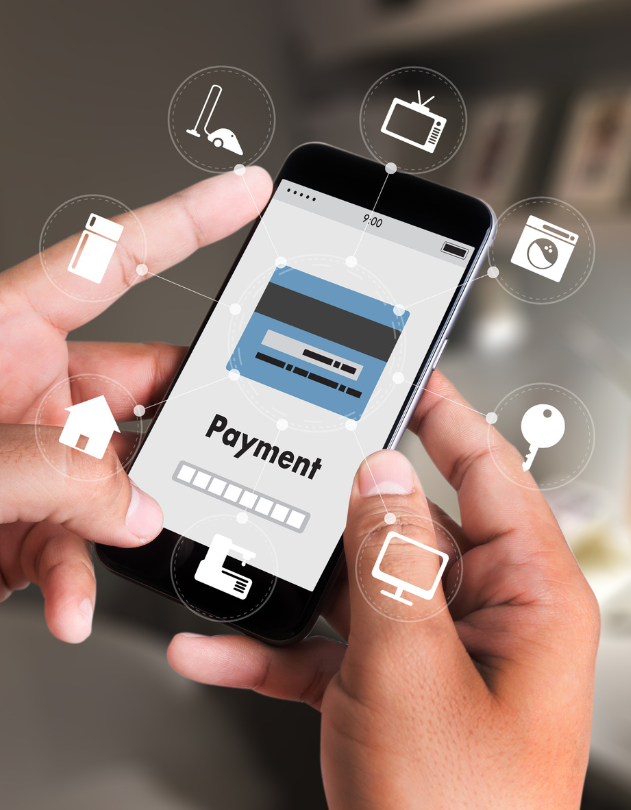
One of the easiest micro-actions is setting up automated payments. Even a small daily or weekly payment towards your debt can reduce your balance over time and save you on interest.

ACTION STEP:
Set up an automatic transfer from your checking account to your debt account. Even $1 a day adds up to $30 a month—more than $360 a year!

3. ROUND UP PURCHASES AND APPLY THE DIFFERENCE TO DEBT

Many banks and apps offer a feature to round up your purchases to the nearest dollar and save the difference. Instead of saving it, direct those round-up amounts towards paying off your debt. It’s a painless way to chip away at what you owe.

ACTION STEP:
Enable the roundup feature on your bank account or download an app that provides this service. Ensure the rounded-up savings are directed towards debt repayment.

TIP: Set up an automatic transfer from your checking account to your debt account. A dollar per day adds up to $30 a month— that’s more than $360 a year!

4. DECLUTTER AND SELL UNUSED ITEMS 

Spend a few minutes each day decluttering a specific area of your home. Collect items you no longer use and sell them online. The process of decluttering not only helps simplify your life but also creates an additional income stream that can go directly to debt repayment.

ACTION STEP:
Dedicate 10 minutes a day to identifying one item to sell. Use platforms like eBay, Facebook Marketplace, or local selling groups to offload items and generate extra cash.

5. PRACTISE THE 30-SECOND PAUSE BEFORE EVERY PURCHASE

Impulse buying can delay your financial goals quickly. A simple yet powerful micro-action is to practice a 30-second pause before making any purchase, asking yourself if the item is a need or a want.

ACTION STEP:
For every non-essential purchase, pause for 30 seconds and consider if it aligns with your financial goals and if you really want it. If it doesn’t and you don’t really want it then, put it back.

6. USE SPARE CHANGE AND CASH BACK REWARDS FOR DEBT PAYMENTS

If you accumulate spare change or cash-back rewards from credit cards or apps, redirect these small amounts towards debt payments. It’s a small effort with potentially significant results over time.

ACTION STEP:
Collect your spare change and cash-back rewards monthly and apply them as extra payments to your debt.

7. INCORPORATE A “NO SPEND” DAY EACH WEEK

Designate one day a week as a ‘no spend’ day where you commit to not spending any money. This small habit can quickly add up to substantial savings.

ACTION STEP:
Choose one day a week (like Monday or Friday) as your ‘no spend’ day. Plan meals, activities, and errands around this day to avoid any expenses.

8. LIMIT YOUR VISITS TO TEMPTATION ZONES

Avoid places that encourage unnecessary spending, like shopping malls or online marketplaces. This doesn’t mean cutting them out entirely, but being mindful of how often you expose yourself to spending triggers.

ACTION STEP:
Identify your spending triggers and reduce your exposure to them. For example, limit browsing shopping websites to once a week instead of daily.

9. APPLY FOUND MONEY TO DEBT

Found money includes unexpected cash like gifts, tax refunds, rebates, or even loose change found in your couch cushions. While this one is harder with an increasingly cashless society, there may be some small change lying around. Instead of spending this money, apply it directly to your debt.

ACTION STEP:
Create a “found money” jar or savings account and commit to using any found money exclusively for debt repayment.

10. CREATE A DAILY GRATITUDE JOURNAL FOCUSED ON FINANCIAL WINS

Focusing on financial gratitude can improve your mindset and keep you motivated. Each day, write down one small financial win, such as avoiding a purchase or finding a way to save money.

ACTION STEP:
Start a daily gratitude journal. Each day, write down one thing you did that moved you closer to being debt-free.

11. OPT FOR FREE OR LOW COST ACTIVITIES

Entertainment can be a significant expense, but many free or low-cost options exist. Instead of spending on movies, dining out, or other paid activities, explore alternatives like free community events, library resources, or nature hikes.

ACTION STEP:
Research and list 10 free or low-cost activities you enjoy. Incorporate one into your weekly routine to replace a paid activity.

12. MAKE USE OF PRICE-TRACKING TOOLS

Use price-tracking tools and browser extensions to monitor the prices of products you’re interested in. This helps avoid impulse purchases and ensures you’re getting the best price when you need to buy something.

ACTION STEP:
Install a price-tracking tool or extension on your browser. Check it before purchasing any item over a set threshold (e.g., $50).

13. REVIEW AND CANCEL UNUSED SERVICES REGULARLY

Services like cable, magazine subscriptions, or premium software memberships can often go unused. Regularly reviewing your service subscriptions and cancelling those you no longer need is an easy way to save money.

ACTION STEP:
Schedule a monthly review of your subscriptions. Cancel or downgrade any services that are no longer necessary.

14. CREATE AND FOLLOW A “MICRO-BUDGET”

A micro-budget is a highly detailed budget that tracks even the smallest expenses. The goal is to understand exactly where every penny goes and find areas to cut back.

ACTION STEP:
Start a micro-budget by tracking all expenses for one month, including minor ones like coffee or snacks. Analyse the information to identify unnecessary spending.

CONCLUSION

The power of micro-actions stems from their simplicity and consistency. By incorporating these small daily habits into your routine, you can make a significant dent in your debt over time without feeling overwhelmed. Remember, becoming debt-free is not always about making massive sacrifices but about consistently making small, smart choices that add up.

Take Control of Your Finances Today!

Are you tired of living paycheck to paycheck? Do you want to make smarter financial decisions but don’t know where to start? This monthly financial coaching program is designed to help you take control of your finances and achieve your financial goals.

Mastering Budget and Saving Techniques

Are you ready to take control of your finances and start your debt-free journey?

In this empowering 30-day course, we’ll guide you through actionable steps to help you break free from debt and achieve financial stability.

Mastering Budget and Saving Techniques
The Debt-Free Mindset: How to Train Your Brain for Financial Freedom

The Debt-Free Mindset: How to Train Your Brain for Financial Freedom

Becoming debt-free isn’t just about paying off balances; it’s about reshaping your mindset to align with financial freedom. Many people get trapped in a cycle of debt because their mindset is stuck in a place of scarcity or fear. Let us look at some actionable steps for developing a debt-free mindset.

1. UNDERSTAND YOUR DEBT SITUATION

Every financial decision you make is influenced by your beliefs about money, often shaped by your experiences. Reflect on your “debt story”—the events, habits, and emotions that led you to where you are now. Write it down. Understanding your history with money is the first step to rewriting your financial future.

ACTION STEP:
Journal about your first memory of money, your feelings towards debt, and how that might have shaped your current situation.

2. REFRAME YOUR THOUGHTS ABOUT MONEY

Instead of viewing debt as a burden, see it as a challenge to overcome. Change your language from “I’m in debt” to “I am working towards financial freedom.” Positive affirmations can help you stay motivated and focused on your goal.

ACTION STEP:
Create a list of positive money affirmations, such as “I am capable of managing my finances,” and repeat them daily.

3. VISUALISE DEBT FREEDOM

Visualisation is a powerful tool. Imagine how your life will look and feel once you’re debt-free. Picture the freedom, the opportunities, and the peace of mind that comes with it. The more vivid your vision, the more motivated you’ll be to achieve it.

ACTION STEP:
Spend 5 minutes every morning visualising your debt-free life. Write down what you see and feel.

4. SURROUND YOURSELF WITH FINANCIAL POSITIVITY 

Your environment influences your mindset. If you’re surrounded by people who are also striving to be debt-free, or who have achieved it, their energy can motivate you. Join a debt-free community or follow influencers who share your financial goals.

ACTION STEP:
Join my monthly coaching program where you will feel supported and be part of a community all working towards helping you achieve your financial independence and goals. CLICK HERE for more information.

5. CHALLENGE YOUR LIMITING BELIEFS

Many of us have limiting beliefs about money—like thinking we’ll always be in debt or that financial freedom is only for the wealthy. Challenge these beliefs by seeking evidence to the contrary and reprogramming your mind with empowering thoughts.

ACTION STEP:
Write down three limiting beliefs you have about money and challenge them with factual statements or examples.

6. PRACTICE GRATITUDE FOR WHAT YOU HAVE

Shifting your focus from what you lack to what you have can create a more abundant mindset. When you’re grateful for your current resources, you’re more likely to use them wisely and attract more.

ACTION STEP:
Start a gratitude journal and list three things you’re grateful for each day, focusing on non-material aspects of your life.

7. SET REALISTIC AND ACHIEVABLE GOALS

Setting small, achievable goals can help build momentum. Instead of focusing solely on the end goal of being debt-free, set smaller milestones. Celebrate each win, no matter how small.

ACTION STEP:
Break down your debt into smaller, manageable chunks and create a reward system for achieving each milestone.

Only purchase essentials and document the impact on your finances and mindset.

8. EMBRACE MINIMALISM IN SPENDING

Adopting a minimalist approach to spending helps shift the focus from consuming to saving and investing in experiences rather than things. This mindset shift can significantly contribute to becoming debt-free.

ACTION STEP:
For one month, only purchase essentials and document the impact on your finances and mindset.

9. LEARN FROM YOUR MISTAKES WITHOUT GUILT

Everyone makes financial mistakes, but dwelling on them with guilt can keep you stuck. Instead, view them as learning opportunities. Reflect on what went wrong and how you can prevent it from happening again.

ACTION STEP:
List past financial mistakes and write down the lessons you’ve learned from each. 

10. COMMIT TO LIFELONG LEARNING ABOUT MONEY

Developing a debt-free mindset is an ongoing process. Make a commitment to continue learning about money management, investing, and wealth-building. This growth mindset will keep you motivated and informed.

ACTION STEP:
Choose one financial book or one of my online courses and programs to complete each month.

CONCLUSION

Becoming debt-free starts with transforming your mindset. By understanding your debt story, reframing your thoughts about money, and setting realistic goals, you can begin the journey towards financial freedom with a clear and positive outlook. Remember, the path to being debt-free is not just about the numbers but also about your mindset.

Take Control of Your Finances Today!

Are you tired of living paycheck to paycheck? Do you want to make smarter financial decisions but don’t know where to start? This monthly financial coaching program is designed to help you take control of your finances and achieve your financial goals.

Mastering Budget and Saving Techniques
Free Budgeting Spreadsheet

GRAB YOUR OWN COPY FOR FREE

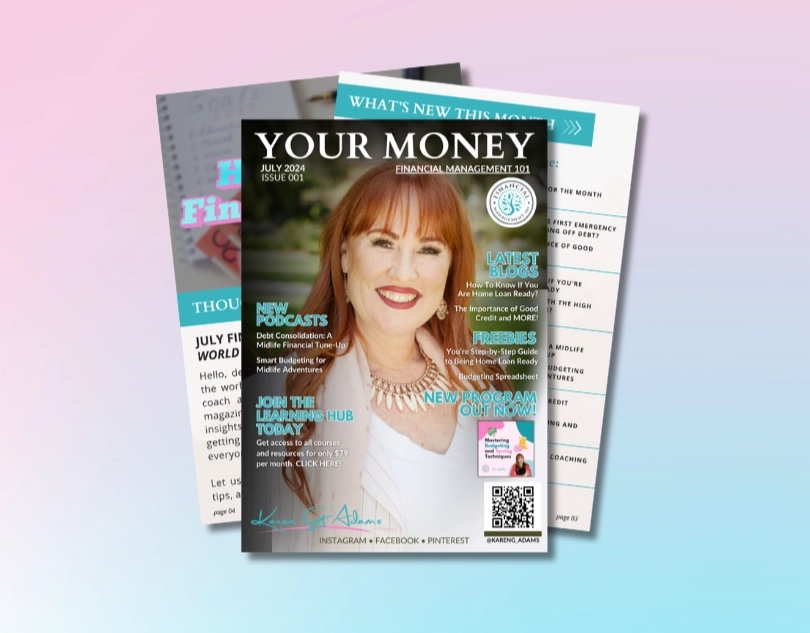
YOUR MONEY eMagazine

Are you ready to take control of your finances and secure a brighter future?

Dive into “Your Money,” the premier e-magazine by Karen G Adams, the Founder of Financial Management 101.

Subscribe for FREE!