
How Much Should I Be Saving for Retirement?

How Much Should I Be Saving for Retirement?

Retirement planning entails taking into account a number of factors, including your current age, anticipated retirement age, lifestyle expectations, and current savings. 

Here’s a general guideline to help you estimate how much you might need to save:

ESTIMATE RETIREMENT EXPENSES

Start by estimating your annual retirement expenses. This will depend on your desired lifestyle. A common rule of thumb is to aim for about 70-80% of your pre-retirement annual income.

CONSIDER YOUR RETIREMENT AGE

The earlier you plan to retire, the more you’ll need to save. Also, think about your life expectancy, as this will influence how long your retirement savings need to last.

Consider Your Retirement Age

CALCULATE SOCIAL SECURITY OR PENSION BENEFITS

If you’re eligible for Social Security or a pension, factor these into your calculations. These benefits can significantly reduce the amount you need to save on your own.

USE THE 4% RULE 

A common rule for retirement savings is the 4% rule, which suggests that you can withdraw 4% of your retirement savings annually (adjusted for inflation each year) without running out of money. To use this rule, multiply your estimated annual retirement expenses by 25.

ADJUST FOR INFLATION AND INVESTMENT RETURNS

Remember that inflation will affect your purchasing power. Also, consider the potential returns from investing your savings, which can help your money grow over time.

EMERGENCY AND HEALTH CARE FUNDS

Set aside extra savings for unexpected health care costs and emergencies.

REGULARLY REVIEW AND ADJUST YOUR PLAN

Your needs and circumstances can change, so it’s important to review and adjust your retirement savings plan regularly.

Each individual’s situation is unique, so it is beneficial to consult with a financial planner to create a personalised retirement savings plan. 

Set aside extra savings for unexpected health care costs and emergencies.

Remember, the earlier you start saving and the more you can put away, the better your chances of having a comfortable retirement.

Looking to get your money in order before retirement? Book an appointment with me today and join me for “Ignite Your Financial Spark: My Blueprint 30 Minute Call,” where we’ll transform your financial dreams into a solid, actionable blueprint plan —in just 30 minutes!

Schedule an Appointment with Karen
What is the Best Way to Pay Off Debt?

What is the Best Way to Pay Off Debt?

If you’re feeling overwhelmed and just not sure how to make a start, I’ve got you covered in this blog. To pay off debt efficiently, you must employ a variety of strategies that are tailored to your specific financial situation. 

Here are some general steps to consider:

ASSESS YOUR DEBT

Start by listing all your debts, including credit cards, loans, and mortgages. Note the balance, interest rate, and minimum payment for each.

CREATE A BUDGET

Understand your monthly income and expenses. This helps in identifying how much extra you can allocate towards debt repayment.

EMERGENCY FUND

Before aggressively paying off debt, it’s wise to have a small emergency fund (like $1,000) to cover unexpected expenses without adding more debt.

Understand Your Monthly Income and Expenses

CHOOSE A DEBT REPAYMENT STRATEGY:

  1. Debt Snowball Method: Pay off debts from smallest to largest balance, regardless of interest rate. This method can offer quick wins and motivation.


  2. Debt Avalanche Method: Focus on paying off debts with the highest interest rates first while maintaining minimum payments on others. This method saves money on interest over time.

MAKE EXTRA PAYMENTS

Whenever possible, make extra payments. Even small additional amounts can significantly reduce your total interest and repayment duration.

CUT EXPENSES

Review your budget for areas to reduce spending. Redirecting these savings toward your debt can accelerate repayment.

CONSIDER CONSOLIDATION OR REFINANCING 

If you have high-interest debt, consolidating into a lower-interest loan or refinancing can reduce the total interest paid.

AVOID NEW DEBT

While paying off existing debt, try to avoid taking on new debt, as this can derail your repayment plan.

INCREASE INCOME

Consider ways to boost your income, such as a side job or selling unused items, and use this extra income to pay down debt.

SEEK PROFESSIONAL ADVICE

If you’re overwhelmed, consider consulting a financial advisor or a credit counselor for personalised advice and possible debt management plans.


Consider ways to boost your income, such as a side job or selling unused items, and use this extra income to pay down debt.

Remember, the best method depends on your personal financial situation, your discipline, and your motivation. It’s important to choose a strategy that you can stick with until all your debts are paid off.

Grab a FREE COPY of my Budget Spending Plan to track your income and expenses. CLICK HERE!

Need help and accountability? The LEARNING HUB helps you gain more financial knowledge, while providing you with the support and help you and others need. Join now for only $79 USD per month.

Join the Learning Hub - Financial Management 101 by Karen G Adams
The Importance of Good Credit

The Importance of Good Credit

People often underestimate the importance of having a good credit score and report.
In this article, I am going to walk you through how credit can affect your money management now and in the future.

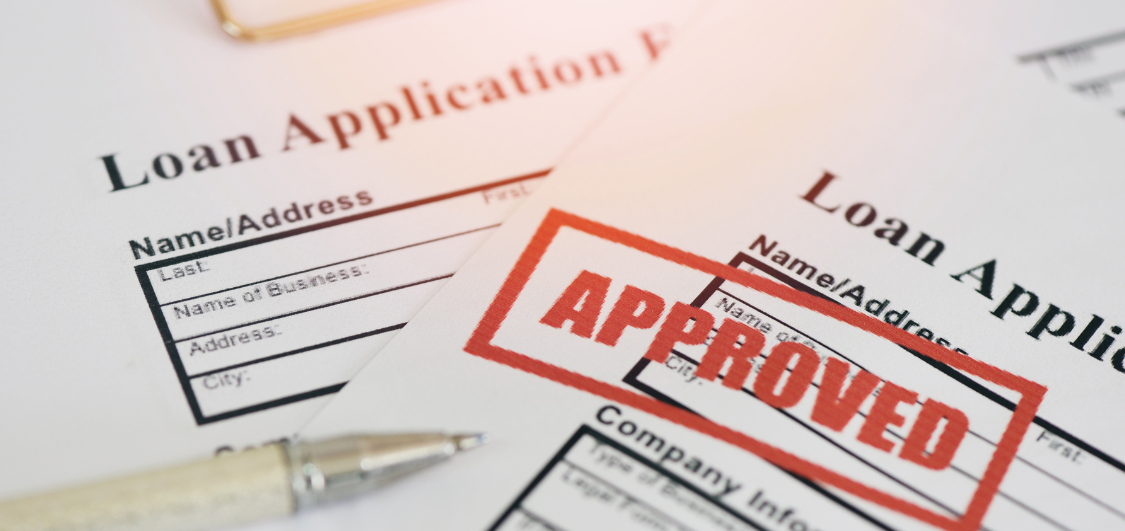
 If your credit score is high, you have a greater chance of getting approved for loans and credit cards from lenders and credit card companies.

Here are 5 reasons why a good credit score is important:

1. REDUCED INTEREST RATES ON BORROWED MONEY

Over time, you can save money by having lower interest rates on credit cards and loans, thanks to good credit.

2. GREATER CHANCES OF LOAN AND CREDIT CARD APPROVAL 

If your credit score is high, you have a greater chance of getting approved for loans and credit cards from lenders and credit card companies.

3. BETTER LOAN TERMS

Having good credit can result in better loan terms, such as higher borrowing limits, in addition to lower interest rates.

4. LOW OR NO SECURITY DEPOSIT REQUIREMENTS

Having good credit can result in better loan terms, such as higher borrowing limits, in addition to lower interest rates.

5. EMPLOYMENT OPPORTUNITIES

When hiring new employees, especially for jobs requiring financial responsibility, some employers run credit checks.

Building and Maintaining a High Credit Score

Here are some ways to maintain and build on your credit score to keep it healthy and high:

1. PAY YOUR BILLS ON TIME

Your credit score can suffer greatly from late payments. Make sure that all of your bills—including credit card and utility bills—are paid on time.

2. MAINTAIN LOW CREDIT CARD BALANCES 

Using a significant portion of your credit limit, or high credit utilisation, can have a bad effect on your credit score.

3. BUILD A LONG CREDIT HISTORY

Your credit score is influenced by the length of your credit history.

4. KEEP THE NUMBER OF NEW CREDIT INQUIRIES TO A MINIMUM 

If you make too many hard inquiries quickly, your score may suffer.

Understanding Your Credit Report

It’s important that you understand your report and what it contains. You can do free annual checks by many of the online credit reporting agencies, like; Equifax and Experian, to name just two. Order your report and take a look at how yours stacks up.
Your credit report will include your credit history; including account details, payment history, credit inquiries, and public records like bankruptcies.

Make sure to regularly check your credit report for errors, including false payment statuses, accounts that are not yours, and inaccurate personal information.

Building and Maintaining a High Credit Score

Impact of Credit on Loan Eligibility and Interest Rates

Credit scores are used by lenders to evaluate risk. A higher score translates into lower risk, which makes you a more desirable borrower.

Your interest rate is determined, in large part, by your credit score. Better scores usually result in cheaper rates, which means you will pay less money back over the course of the loan.

Certain insurance providers base their auto and home insurance rates on credit scores. 

Conclusion

Having good credit provides many financial opportunities. Understanding and managing your credit puts you in a better position to pursue favourable financial opportunities.

Regularly monitoring your credit report and score, developing responsible credit habits, and understanding how your financial behaviour affects your credit can result in significant savings and opportunities throughout your life.


The LEARNING HUB helps you gain more financial knowledge, while providing you with the support and help you and others need. Join now for only $79 USD per month.

Join the Learning Hub - Financial Management 101 by Karen G Adams
Securing Your Future: The Vital Importance of Retirement Planning

Securing Your Future: The Vital Importance of Retirement Planning

One cannot stress the significance of retirement planning in a world where life events are unpredictable and economic conditions are constantly changing. Assuring a safe, comfortable, and stress-free future requires more than just making prudent financial decisions when it comes to retirement planning. This post will discuss the advantages of retirement planning and the reasons that everyone, regardless of age or income level, should make it a top priority.

1. THE POWER OF COMPOUND INTEREST

The power of compound interest is one of the strongest arguments for beginning retirement planning as soon as possible. Often called the “eighth wonder of the world,” compound interest is the process by which the interest you earn continues to accrue. This can cause your savings to grow exponentially over time, making even small contributions into a sizeable nest egg. You gain more from this compounding effect the earlier you begin.

The Power of Compound Interest

2. LIFESTYLE MAINTENANCE AND PEACE OF MIND

Making plans for retirement is crucial to preserving your way of life in your golden years. You may not be able to maintain the standard of living to which you have become accustomed if you do not have a sound plan. When you plan ahead, you can make sure you have enough money for hobbies, travel, and entertainment in addition to meeting your basic needs. Furthermore, having a plan in place can bring you a great deal of peace of mind and lessen your stress and anxiety about the future.

3. HEALTHCARE AND LONG-TERM CARE COSTS

Healthcare becomes a more pressing issue as we get older. Planning for retirement enables you to save money for unanticipated medical costs, long-term care, or assisted living facilities. Having a financial cushion can be a lifesaver, literally and figuratively, given the rising cost of healthcare.

4. INFLATION AND COST OF LIVING

When preparing for retirement, inflation is frequently overlooked. Since living expenses are likely to increase over time, if you have not made enough plans for them, your savings’ purchasing power may decline. A strong retirement plan accounts for inflation, guaranteeing that the growth of your savings exceeds the increasing cost of living.

5. FINANCIAL INDEPENDENCE AND FAMILY SECURITY 

Retirement planning is not just about you; it is also about your family’s financial stability. You can lessen the potential strain on your loved ones by taking care of your own financial future. It can also enable you to provide your kids or grandkids with a financial legacy to help with their future pursuits.

6. FLEXIBILITY AND ADAPTABILITY

A flexible retirement plan is essential. It enables you to adjust to life’s fluctuations, including unforeseen costs, pay adjustments, or changes in the state of the economy. This flexibility is essential for managing life’s uncertainties and preserving financial security.

Making plans for retirement is crucial to preserving your way of life in your golden years.

Making plans for retirement is crucial to preserving your way of life in your golden years. When you plan ahead, you can make sure you have enough money for hobbies, travel, and entertainment in addition to meeting your basic needs.

One of the most important steps toward ensuring a stress-free and financially secure future is retirement planning. It is important to invest in your future self as well as the welfare of your loved ones, not just in terms of saving money. Planning is essential, regardless of your age or financial status right now. Retirement planning is crucial to a comprehensive financial strategy because of the advantages it offers, including financial security, peace of mind, and the compound interest effect. Start your path now to create the foundation for a safer, more prosperous tomorrow.

Learning about money-saving techniques can give you the power to make smart financial decisions, prepare for your retirement, and reduce money-related stress over time. That’s where the LEARNING HUB helps you gain more financial knowledge, while providing you with the support and help you need.

Join the Learning Hub - Financial Management 101 by Karen G Adams
Creating Multiple Income Streams After 35

Creating Multiple Income Streams After 35

In today’s economic climate, relying solely on one source of income can be risky, particularly for people in their mid-30s to 50s. Diversifying income sources not only provides financial security, but also creates opportunities for personal and professional development. Let us look at how you can generate multiple income streams in your prime years.

1. TURN HOBBIES INTO INCOME

Many of us have interests or skills that can be monetized. Consider turning your passions, such as crafting, photography, or writing, into a side business. Online platforms make it easier than ever to sell products or services.

2. INVEST IN REAL ESTATE

Real estate investing can be a profitable way to generate passive income. This could include buying a rental property, investing in a real estate investment trust, or looking into Airbnb hosting if you have extra space.

Turn Hobbies into Income

3. DIVE INTO THE GIG COMMUNITY

The gig economy provides flexible ways to earn extra money. Freelancing, consulting, or part-time work in your area of expertise can supplement your primary income while giving you control over your schedule.

4. CREATE DIGITAL PRODUCTS

If you are an expert in a specific field, consider creating digital products such as eBooks, online courses, or webinars. Once created, these products can generate ongoing passive income with minimal effort.

5. DIVIDEND STOCKS OR MUTUAL FUNDS

Investing in dividend-paying stocks or mutual funds can generate a consistent income stream. While there are risks involved, dividends can be a relatively passive way to earn income.

6. PEER-TO-PEER LENDING

Platforms that allow peer-to-peer lending may be an alternative source of income. You can earn interest on money you lend to individuals or small businesses.

7. RENT OUT ASSETS

Consider renting out assets that you do not use on a regular basis, such as a vehicle, tools, or even a parking space. This can be an easy way to make money without a significant time investment.

8. START A BLOG OR A YOUTUBE CHANNEL

If you’re passionate about a particular subject, starting a blog or YouTube channel can be a way to earn income through advertising, sponsorships, and affiliate marketing.

Keep track of your earnings and expenses, and consider consulting with a financial advisor to make the most of your additional income sources.

9. PLAN AND BE PATIENT

Creating multiple income streams requires time and planning. Be patient, and do not expect immediate results. Concentrate on one or two areas first, then expand as you become more comfortable and successful.

10. KEEP YOUR FINANCES IN CHECK

More income streams require more financial management. Keep track of your earnings and expenses, and consider consulting with a financial advisor to make the most of your additional income sources.

Having multiple income streams after 35 is about more than just financial security; it is about discovering new opportunities and leveraging your skills and passions. With creativity and dedication, you can create a more secure and diverse financial future.

The LEARNING HUB at Financial Management 101 aims to help you gain more financial knowledge, while providing you with the support and help you need. Join the Learning Hub today for only $79 per month.

Join the Learning Hub - Financial Management 101 by Karen G Adams