
The Importance of a Personalised Budgeting System

The Importance of a Personalised Budgeting System

Whether you’re saving for your first home, planning a big holiday, or just trying to ensure you don’t run out of cash before payday, a budget tailored to your needs can make all the difference.

What is a Personalised Budgeting System?

A personalised budgeting system is a financial plan designed to suit your unique income, expenses, lifestyle, and goals. Unlike generic budgeting methods, which often take a one-size-fits-all approach, a personalised budget takes into account your specific situation. This means it can help you manage your money more effectively and achieve your financial goals more efficiently.

Personalised Budgeting System

Why Is It Important?

1. CONTROL OVER YOUR FINANCES

A personalised budget gives you a clear picture of where your money is going. This control helps you make informed decisions about spending and saving. By knowing exactly how much you have and what you need to cover, you can avoid overspending and reduce financial stress.

2. TAILORED TO YOUR GOALS

Whether you’re saving for a down payment on a house in Perth, planning a trip across Europe, or building an emergency fund, a personalised budget helps you allocate funds towards your specific goals. This targeted approach means you can make steady progress without feeling deprived.

3. FLEXIBILITY

Life is unpredictable, and a personalised budget can adapt to changes in your circumstances. If you get a pay rise, change jobs, or face unexpected expenses, your budget can be adjusted to reflect your new reality. This flexibility ensures that your financial plan remains relevant and effective no matter what life throws at you.

4. BETTER SPENDING HABITS

By tracking your expenses, a personalised budget can help you identify and eliminate bad spending habits. You might be surprised at how much you spend on takeaway coffees or impulse buys. Recognising these patterns is the first step towards making more mindful choices.

5. PEACE OF MIND

Knowing you have a plan in place can significantly reduce financial anxiety. With a personalised budget, you can prepare for the future with confidence, knowing you have a roadmap to guide you. This peace of mind allows you to enjoy life more fully without constantly worrying about money.

With a personalised budget, you can prepare for the future with confidence.

Learn the fundamental concepts of how budgeting and saving are important to your financial well-being. Registration is now open for the course: Mastering Budget and Saving Techniques. This is a hands-on course with me guiding you on how to budget, track and look at managing your money like a pro.

ENTER THE CODE WORD: BUDGETING2024 to get $100 off this course.

Mastering Budget and Saving Techniques
How To Create A Budget or Spending Plan

How To Create A Budget or Spending Plan

For many people, this is where they get stuck with the first step in managing their money.  When they hear the word budget they think it means cutting back or going without and they could not be further from the truth.

A budget doesn’t have to be a cumbersome task and it’s something I like to call a spending plan instead of a budget.  By calling it a spending plan, it means you manage your money so that you have money for the fun stuff, as well as the ongoing regular stuff that comes out every month.

Creating your own spending plan involves several steps that help you manage your finances and money more effectively. Here’s a guideline to get you started:

ASSESS YOUR FINANCIAL SITUATION

  • Income: Calculate your total monthly income, including salaries, bonuses, and any other sources.
  • Expenses: List all your monthly expenses. This includes rent/mortgage, utilities, groceries, transportation, insurance, debts, and entertainment.

CATEGORISE YOUR EXPENSES

  • Fixed Expenses: These are regular, predictable costs like rent, loan payments, or insurance.
  • Variable Expenses: These costs can vary, such as groceries, dining out, and entertainment.

Assess Your Financial Situation

TRACK YOUR SPENDING

  • Use a spreadsheet, a budgeting app, or a simple notebook to track where your money goes. This will help you identify areas where you might be overspending.

SET FINANCIAL GOALS

  • Short-term goals might include saving for a vacation or paying off a small debt.
  • Long-term goals could be saving for retirement, a home down payment, or paying off a significant debt.

CREATE THE SPENDING PLAN

  • Allocate specific amounts to each expense category based on your income and financial goals.
  • Ensure your expenses do not exceed your income.

PLAN FOR SAVINGS AND EMERGENCIES

  • Aim to set aside a portion of your income for savings and an emergency fund.

REVIEW AND ADJUST REGULARLY

  • Regularly review your budget, preferably monthly, to adjust for any changes in income or expenses.
  • Be flexible and realistic with your spending plan to make it sustainable.

UTILISE TOOLS AND RESOUCES

  • Consider using budgeting tools or apps to make the process easier and more efficient.

REDUCE UNNECESSARY EXPENSES

  • Look for ways to cut back, such as reducing dining out, unsubscribing from unused services, or shopping for better deals on recurring expenses.

Consider using budgeting tools or apps to make the process easier and more efficient.

Using budgeting tools or apps is helpful if you want to make your spending plan easier and more efficient.

STAY COMMITTED

  • Stick to your spending plan as closely as possible, but allow for occasional indulgences to keep it realistic and manageable.

Remember, the key to a successful spending plan is consistency and willingness to adapt as your financial situation changes.

The LEARNING HUB helps you gain more financial knowledge, while providing you with the support and help you and others need. Join now for only $79 USD per month.

Join the Learning Hub - Financial Management 101 by Karen G Adams

Why Understanding Insurance is Key to Your Family’s Financial Security

Why Understanding Insurance is Key to Your Family’s Financial Security

Hey there, amazing people!

As your financial coach and mortgage broker, I’m here with a warm cup of advice that’s as comforting as your morning coffee.

Today, we’re diving into a topic that might seem as complex as grandma’s secret recipe but is equally essential for your family’s well-being: Understanding Insurance. 

Stick with me, and I promise to make it as fun and digestible as your favourite weekend brunch!

The “Why” Behind Insurance

Imagine for a moment that life is a board game. You’re moving along, collecting milestones like they’re monopoly money – a new job, a house, maybe a little one (or two) joining your journey. Suddenly, a roll of the dice sends you a few spaces back: an unexpected event, an illness, or even a natural disaster. Here’s where insurance comes into play, acting like that magical “Get Out of Jail Free” card, ensuring these setbacks don’t derail your family’s financial future.

The Safety Net You Didn’t Know You Needed

In its simplest form, insurance is a safety net. It’s there to catch you and your loved ones when life’s unpredictabilities threaten your financial stability. From health insurance safeguarding against medical bills to life insurance ensuring your family’s future is secure even in your absence, each type serves a purpose, knitting a tighter safety net.

Insurance is a safety net. It’s there to catch you and your loved ones when life’s unpredictabilities threaten your financial stability.

Decoding the Insurance Puzzle

I get it, though! The world of insurance can feel like trying to solve a Rubik’s cube blindfolded. Terms like premiums, deductibles, and coverage options can be baffling. But here’s the secret – understanding insurance doesn’t require a finance degree. It’s about knowing you’re paying a small price today (premiums) to avoid a potentially catastrophic expense tomorrow. It’s betting on certainty in a world of uncertainty.

Life Insurance: The Guardian Angel

Let’s chat about life insurance – it’s like having a financial guardian angel for your family. In the event of the unthinkable, it ensures that mortgages can still be paid, dreams can be pursued, and your family’s lifestyle can be maintained. Think of it as your legacy, ensuring that your loved ones are taken care of, come what may.

Health Insurance: Your Health, Your Wealth

Health insurance is your shield on the battlefield of life. It protects you from the financial blow of medical treatments, which, let’s be honest, can cost an arm and a leg (sometimes, quite literally). Investing in health insurance means investing in peace of mind, knowing that a health hiccup won’t drain your savings.

Property and Car Insurance: Guarding Your Castle

Your home is your castle, and your vehicle, perhaps, is your trusty steed. Property and casualty insurance protect these precious assets from the fire-breathing dragons of life – theft, natural disasters, and accidents. It’s about making sure that your safe haven and your means of adventure are always ready for you, no matter what life throws their way.

Navigating Through the Insurance Maze

Now, I know what you’re thinking – “This sounds great, but how do I navigate through the maze of insurance options?” Here’s where your trusty financial coach (yours truly!) comes in. It’s about:

    • Assessing Your Needs: Each family is unique, and so are their insurance needs. It’s about figuring out what coverage is essential for you and what might be an unnecessary add-on.
    • Comparison Shopping: Just like you wouldn’t buy the first car you test drive, don’t settle on the first insurance policy you come across. Shop around, compare quotes, and read the fine print.
    • Asking Questions: No question is too small or silly. Whether it’s clarifying terms or understanding coverage options, ask away! Knowledge is power, especially when it comes to insurance.

Each family is unique, and so are their insurance needs.

The Bottom Line

Understanding insurance is akin to learning a new language – it might seem intimidating at first, but once you get the hang of it, it’s incredibly empowering. It’s about ensuring that no matter the twists and turns life throws at you, your family’s financial security is unshakable. And remember, as your financial coach and mortgage broker, I’m here to guide you through every step, decode every term, and help you build that financial safety net your family deserves.

So, let’s raise our coffee cups to making informed decisions, securing our family’s future, and tackling the insurance puzzle together. Your financial security isn’t just a goal; it’s a journey we’re on together. Cheers to making it as smooth and secure as possible!

Remember, in the grand game of life, insurance is not just a precaution; it’s a strategy for enduring prosperity and peace of mind.  

If you want more help understanding your insurance, then reach out to your financial planner or insurance specialist and get the clarity you need to ensure you’re covered where you need to be and not paying for stuff you don’t necessarily need.

The Learning Hub at Financial Management 101 is all about getting the financial education you need to make informed decisions about your financial life and future. Join today for only $79 per month and get immediate access to all courses and books including ongoing financial and mindset monthly coaching now.

Fixed vs. Variable: Navigating Mortgage Interest Types for Homebuyers

Fixed vs. Variable: Navigating Mortgage Interest Types for Homebuyers

Hello, aspiring homeowners and financial adventurers! As your trusty financial coach and savvy mortgage broker, I’m here to guide you through the thrilling yet often perplexing world of mortgage interest types. 

Picture this: you’re embarking on a quest to find the perfect home, but there’s a fork in the road. Do you take the path of fixed interest rates or venture down the trail of variable rates? Let’s unpack these options together, with a sprinkle of fun and a dash of wisdom, to ensure you make the best decision for your financial future.

The Tale of Two Rates: Setting the Scene

Imagine two characters in our story: Fiona Fixed and Victor Variable. Fiona enjoys predictability in her life. She loves knowing exactly how much her payments will be each month, providing her with a sense of security and peace of mind. Victor, on the other hand, is a bit more daring. He’s willing to ride the waves of the market, betting that interest rates will go in his favour, potentially saving him money in the long run. 

Steady Ship vs. Sailboat

The Fixed Rate: A Steady Ship in Stormy Seas

Fixed-rate mortgages are like a sturdy ship that can weather any storm. They offer the same interest rate for the entire term of the loan, whether it’s 15, 20, or 30 years. This means your monthly mortgage payments remain unchanged, making budgeting as easy as pie. It’s perfect for those who, like Fiona, prefer stability over surprises.

Pros:

    • Predictability: You’ll sleep soundly knowing your payments won’t change.
    • Simplicity: Easy to understand, especially for first-time homebuyers.
    • Protection: You’re shielded from sudden spikes in interest rates.

Cons:

    • Higher Initial Rates: Fixed rates are usually higher than the initial variable rates.
    • Less Flexibility: If interest rates fall, you’re stuck with your rate unless you refinance.

The Variable Rate: Sailing the Winds of Chance

On the flip side, variable-rate mortgages are like a nimble sailboat that adjusts its sails with the winds of the market. The interest rate can fluctuate based on market conditions, meaning your monthly payments could increase or decrease. This is where Victor finds his thrill, in the potential for lower overall costs when rates favour the borrower.

Pros:

    • Lower Initial Rates: Start with a lower rate compared to fixed-rate mortgages.
    • Potential Savings: Benefit from paying less interest when rates decrease.
    • Flexibility: Often includes options to lock in a fixed rate if the winds change.

Cons:

    • Uncertainty: Your monthly payment could change, making budgeting a challenge.
    • Risk: If interest rates soar, so do your payments.

Navigating Through the Fog: How to Choose

Now, how do you choose between these two? Consider your financial situation, lifestyle, and risk tolerance. Here are a few lanterns to help illuminate your path:

Financial Stability: If you’re in a stable financial position and can handle potential increases in your payments, Victor’s variable rate might be your calling. However, if you prefer the safety of a predictable budget, follow Fiona’s lead with a fixed rate.

Market Trends: Keep an ear to the ground on market trends. If rates are historically low, locking in a fixed rate might be wise. But if you’re feeling optimistic about where rates are headed, the variable rate could be your treasure.

Term Length: Consider how long you plan to stay in your home. If it’s a short-term stay, a variable rate might offer lower initial payments. For a long haul, a fixed rate could offer long-term stability.

Ask the Experts: Consult with me, your financial coach and mortgage broker. I love helping heroes of homeownership chart their course to the perfect mortgage.

The Adventure Awaits

Remember, choosing between fixed and variable interest rates isn’t just about crunching numbers; it’s about aligning your mortgage with your life’s voyage. Whether you’re a Fiona Fixed, preferring the calm seas of predictability, or a Victor Variable, ready to sail the fluctuating financial tides, the right choice is out there.

As your financial navigator, I’m here to help you explore the possibilities and make an informed decision. So, gather your maps and set your sights on the horizon; your dream home awaits, and the perfect mortgage is your key to unlocking the door. Happy house hunting, brave explorers.

Whether you’re dipping your toes into the home-buying waters for the first time, eyeing a smarter refinancing strategy, coming off a fixed interest rate, or expanding your portfolio with another investment property, Karen’s 20-minute discovery call, is your first step towards mortgage mastery! Let’s dive into your financing needs, explore your options, and perform a FREE mortgage health check to ensure your plans aren’t just dreams but achievable realities.  

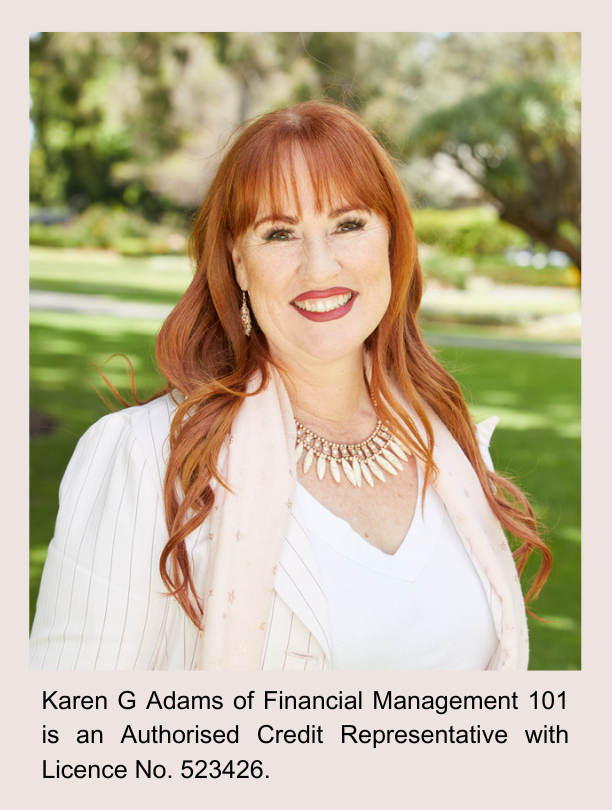
Karen Adams of Financial Management 101