Budgeting Without the Boring: The Money Map Method That Actually Works

Budgeting Without the Boring: The Money Map Method That Actually Works

Let’s be honest for a second. The word “budget” has the same vibe as:

  • “We need to talk…”
  • “Your call is being transferred…”
  • “Please see the attached invoice…”

It makes people tense. Defensive. Slightly sweaty. 😅

And here’s the irony: most people don’t hate having a plan. They hate the way budgeting has been sold to them – like it’s punishment for daring to enjoy life.

So today, I’m giving you a different approach.

Not a strict budget.
Not a spreadsheet that needs a PhD to operate.
Not a system that makes you feel like you have to track every piece of gum you’ve ever purchased.

This is Money Mapping – the method I use with clients who want to feel in control, not controlled.

Because your money doesn’t need a prison.

It needs a plan. A plan that fits your actual life. Not the version of you who meal preps on Sundays and never impulse buys at Kmart.

(If that version of you exists, I’d like to meet her. She sounds organised and slightly intimidating.)

Why Traditional Budgets Fail (and why it’s not your fault)

Most budgets fail for three reasons:

1) They’re too restrictive

People try to cut everything at once: coffees, fun, birthdays, little treats, takeaway, holidays… and then wonder why they rebound like a rubber band.

If a budget feels like suffering, you won’t stick to it.
Your brain will treat it like a threat.
And humans don’t do “threat” long-term.

2) They’re too complicated

Forty-seven categories. Daily tracking. Constant adjustments.
You miss one thing and suddenly you feel like you’ve “failed.”

A budget that requires constant maintenance becomes another job.
And nobody needs a second job that doesn’t pay.

3) They’re built on guilt, not goals

Many budgets are basically: “Stop spending money on things that make you happy.”

No thanks.

Money mapping works because it’s:

  • simple
  • flexible
  • based on priorities
  • designed for consistency, not perfection

What is a Money Map?

A Money Map is a simple plan that tells your money where to go before life grabs it.

It answers these questions:

  1. What must be paid? (essentials + bills)
  2. What matters to you? (your priorities)
  3. What are we building? (savings, emergency fund, investing, debt reduction)
  4. How do we keep your life enjoyable while still making progress? (yes, fun stays)

A money map is not about tracking every dollar.
It’s about creating a flow.

And when your money flows with intention, financial stress drops fast

A Money Map is a simple plan that tells your money where to go before life grabs it.

The Big Mindset Shift: A Budget Isn’t Restriction – It’s Permission

I want you to reframe this:

A budget isn’t a list of things you can’t do.
It’s a permission slip that says:

✅ “Yes, you can spend money on what you love.”
✅ “Yes, you can have fun.”
✅ “Yes, you can enjoy your life.”
and also
✅ “Yes, you can build wealth and feel safe.”

That’s the goal: enjoying today while protecting tomorrow.

The Money Map Framework (Simple, Powerful, Real-Life Friendly)

Here’s the structure I recommend. It’s clean and easy:

Category 1: Essentials (Must Pays)

These are the costs of keeping your life running:

  • mortgage/rent
  • utilities
  • groceries
  • fuel/transport
  • insurance
  • minimum debt repayments
  • childcare/school essentials
  • basic medical

These are your “keep the lights on” expenses.

Category 2: Future You (Your Financial Muscle)

This is where you build safety and wealth:

  • emergency fund
  • sinking funds (car rego, Christmas, school costs, rates, holidays)
  • extra debt repayments
  • investing/super top-ups (where appropriate)

Future You deserves funding. Not “whatever’s left.”
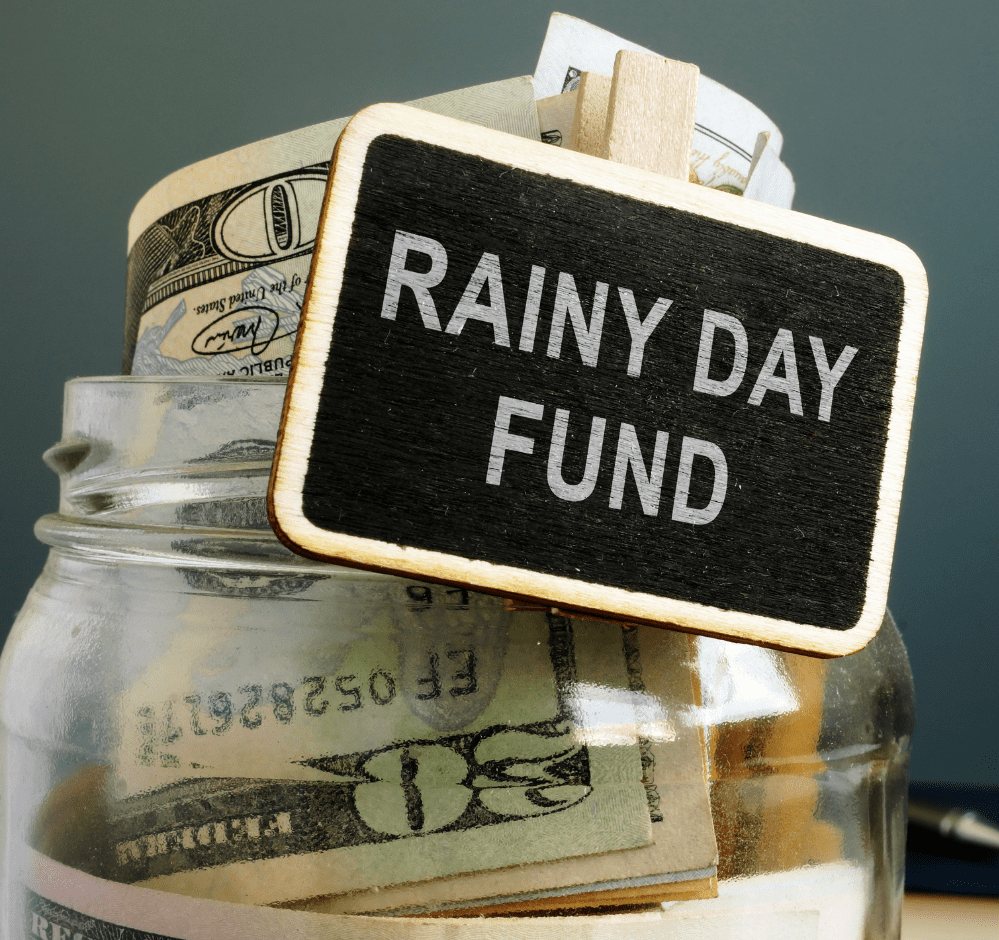
Rainy Day Fund or Emergency Fund

Category 3: Fun & Freedom (Guilt-Free Spending)

This is the category that keeps you sane:

  • coffees
  • dinners out
  • entertainment
  • hobbies
  • shopping (within reason, Karen… within reason 😄)
  • little treats

The reason most budgets fail is because this category is either missing or unrealistically small.

We’re not doing that here.

Step-by-Step: How to Build Your Money Map in Under an Hour

Grab a pen, notes app, or whatever you use when you’re feeling productive for five minutes.

Step 1: Find your baseline numbers

Look at the last 4–8 weeks of spending (not because we love pain, but because data helps).

Write down:

  • total income (after tax)
  • total essentials
  • average weekly spending (groceries, fuel, eating out, shopping)
  • debt minimums
  • any annual bills that sneak up (rego, insurance, school, rates)

You’re not judging. You’re observing.

Step 2: Choose your “Money Map style”

There are two main styles:

  1. A) Weekly Flow Map (best for people paid weekly/fortnightly)
  • Allocate money each pay into Essentials / Future You / Fun
  1. B) Monthly Map (best for salaried monthly pay)
  • Set amounts for each category and automate them

If you’ve tried budgeting before and it didn’t stick, weekly is usually easier because it gives faster feedback.

Step 3: Set up separate accounts (this is where the magic happens)

I’m going to say this lovingly:

If all your money sits in one account, your brain will treat it like it’s all available.
That’s not a discipline problem. That’s a human brain problem.

A simple setup is:

  1. Bills account (Essentials)
  2. Spending account (groceries/fuel/fun)
  3. Future You account (emergency + sinking funds)

Automation is your best friend. Because you’re busy.
And your money system should run even when you’re tired.

Step 4: Decide your “non-negotiables”

These are your priorities — the things you want your money to reflect.

Examples:

  • “I want to stop feeling anxious about bills.”
  • “I want an emergency fund.”
  • “I want to pay off this debt.”
  • “I want to travel without putting it on a credit card.”
  • “I want to stop fighting with my partner about money.”

Your money map should support your real goals — not someone else’s idea of financial success.

Step 5: Allocate your numbers (start simple)

Here’s a starting point many people can relate to:

  • Essentials: 60–75%
  • Future You: 10–20% (even 5% is a start if money is tight)
  • Fun & Freedom: 10–20%

If your essentials are currently higher than 75% — you’re not alone. Cost of living has been doing the most.

This is where strategy matters: we might need to reduce leaks, renegotiate bills, or adjust the debt plan to create breathing room.

Step 6: Create one weekly “Money Date” (10 minutes)

Once a week:

  • check what’s coming out
  • check what’s coming in
  • make sure bills are covered
  • adjust your spending category if needed

No drama. No self-lectures. Just a quick check-in.

Think of it like brushing your teeth. You don’t do it once and call it done forever.

The “I Hate Tracking” Version: The 3-Number Method

If you’re someone who rebels against tracking (I see you), do this instead:

Pick three numbers each week:

  1. Your weekly spending limit (food + fuel + fun)
  2. Your weekly Future You transfer
  3. Your “buffer amount” you want to keep in your spending account

Then the rule is simple:
When spending hits the limit… you stop spending until next week.
No guilt. Just boundaries.

This is the system many of my clients love because it’s:

  • quick
  • clear
  • low-maintenance
  • effective

Money Map in Real Life: What This Looks Like (Example)

Let’s say your household brings in $2,500 a week after tax.

You might map it like this:

  • $1,700 Essentials (bills, groceries, fuel, minimum debt)
  • $400 Future You (emergency fund + sinking funds + extra debt)
  • $400 Fun & Freedom (eating out, treats, spending money)

Then you automate:

  • $1,700 goes straight into Bills account
  • $400 into Future You account
  • $400 stays in Spending account

Now you’re not trying to “budget” daily.
You’re simply spending from the right place.

And when your Spending account runs low, it gives you a clear signal:
“That’s it for this week.”

No spreadsheet required.

What If There’s Not Enough Money to Map?

This is the part where I get very real with you:

If you feel like there’s never enough, it doesn’t mean you’re failing.
It means your map needs to include leak-plugging and breathing space first.

Here’s what I do with clients when money is tight:

  1. tighten obvious leaks (subscriptions, lazy renewals, bank fees)
  2. build a tiny emergency buffer (even $500 can change your stress levels)
  3. stabilise bills and reduce panic spending
  4. create sinking funds for predictable expenses
  5. then build momentum

You don’t jump from stressed to thriving in one week.
But you can absolutely move from chaos to calm with the right steps.

The Most Important Part: Your Money Map Must Match Your Personality

Some people need structure.
Some need flexibility.
Some need boundaries.
Some need permission.

So here are a few personality-based tweaks:

If you’re an overspender:

  • reduce “available money” in your spending account
  • use separate “fun” cash or a dedicated card
  • increase automation

If you’re an underspender/anxious saver:

  • allocate guilt-free fun money and actually spend it
  • focus on safety targets (emergency fund)
  • build confidence with small consistent steps

If you’re a “set and forget” person:

  • automate everything
  • schedule the weekly money check-in
  • keep categories very simple

If you’re a couple/family:

  • do a shared Money Map + personal spending allowances
  • agree on the weekly “household number”
  • remove judgement from the conversation

Money mapping isn’t one-size-fits-all.
It’s “your life, your values, your plan.”

If You Want This to Stick, Join the Membership

Now, if you’re reading this thinking:

“Okay… this makes sense. But I need help setting it up properly.” or “I’ve tried before and I fall off the wagon.” or “I want a system that actually fits my life.”

That’s exactly what my Membership is for.

Because here’s the truth:

Most people don’t need more information. They need support, structure, and someone to keep them consistent.

Inside the Membership, we don’t just talk about budgeting. We:
✅ build your personal Money Map (based on your real numbers)
✅ set up accounts and automation so it runs without willpower
✅ create sinking funds so life stops surprising you
✅ learn how to manage spending without guilt
✅ build financial muscle with ongoing guidance and community

You’re not meant to do this alone.

If you’re ready to stop winging it and start feeling calm and in control, join the Membership.
Let’s build your Money Map together — and get your financial house in order the smart way.
budgeting without spreadsheets, simple budget method, cash flow planning, how to budget in Australia, reduce financial stress, personal finance tips, money management system, budgeting for beginners, weekly money check-in, sinking funds, financial management 101, Karen G Adams, financial coaching


 

The Financial House Inspection: 10 Sneaky Money Leaks (And How to Plug Them Fast)

The Financial House Inspection: 10 Sneaky Money Leaks (And How to Plug Them Fast)

Let me ask you something… if your financial house was a real house, would you invite guests over right now?

Or would you do that frantic pre-visit panic clean where you shove everything into the laundry or the spare room and pray nobody opens that door?

Because that’s what most people are doing financially.
Not because they’re “bad with money” (you’re not), but because life is busy, expensive, and full of sneaky little costs that quietly set up camp in your bank account like they pay rent.

And the truth is… you don’t always need a bigger income to feel more in control.
Sometimes you just need to find the leaks.

Today, we’re doing a Financial House Inspection – warm cuppa in hand, no shame, no judgement, and definitely no stiff “financial coach voice.”  You’ll walk away with practical fixes, a clearer head, and probably a few “WAIT… WHAT?!” moments.

Let’s inspect your money house.

Why “Money Leaks” Matter (Even If You Earn Good Money)

A money leak is not a big, dramatic purchase you remember forever (like buying a car or going on a holiday).

A money leak is the “small stuff” you don’t notice… until you look at your bank statement and think:

“Excuse me, where did my money go?”

Leaks are dangerous because they:

  • feel harmless in the moment
  • happen repeatedly
  • add up faster than you think
  • make you feel like you’re always behind even when you’re trying

And here’s the kicker: leaks are often emotionally driven, not logically driven. They’re convenience, comfort, habit, exhaustion, reward, stress, or just not having a system in place.

So let’s find them and plug them like the financially strong legend you are.

The Financial House Inspection Checklist: 10 Common Money Leaks

1) The Subscription Graveyard

This one is so common it deserves its own memorial plaque.

Streaming services, apps, software, gym memberships, delivery memberships, random “productivity tools,” audiobooks, meditation apps, cloud storage…

And you know what makes subscriptions sneaky?
They don’t hurt enough to notice. It’s just $9.99 here… $14.99 there… $24.99 for something you “might use.”

Until suddenly you’re donating $300 a month to the Subscription Graveyard.

Quick Fix:

  • Go through your bank statements and highlight every recurring payment.
  • Ask: “Would I buy this again today?”
  • Cancel anything that isn’t a HELL YES.

Pro tip:
If cancelling makes you panic (“but what if I need it one day?”), that’s not logic, that’s fear. And fear is expensive.

2) Lazy Renewals (Insurance, Utilities, Phone Plans)

Lazy renewals are like leaving a tap dripping for years and being shocked your water bill is high.

Insurance companies love loyal customers… because loyal customers often don’t check the price.

Phone plans creep up. Internet deals expire. Electricity rates change. Suddenly you’re paying premium pricing for basic service.

Quick Fix:

  1. Put a recurring reminder in your calendar every 6–12 months:
    • car/home insurance
    • health insurance
    • electricity/gas
    • phone/internet
  2. Compare and renegotiate.

Money mindset note:
Being financially responsible is not being “cheap.” It’s being strategic.

3) Bank Fees and “Oops” Charges

Account keeping fees. International transaction fees. ATM fees. Late payment fees. Overdraft fees.

These aren’t “just the cost of banking.” They’re often the cost of not having the right account setup or system.

Quick Fix:

  • Review your bank accounts and credit cards.
  • Ask your bank: “Is there a fee-free option?”
  • Set up alerts for low balances and bill due dates.
  • Automate minimum payments to avoid late fees.

You don’t need to pay $10 – $30 a month in fees just to have a bank account. Your money deserves better.

4) Convenience Spending (AKA “I’m Too Tired” Tax)

This is the one people don’t want to admit because it’s so relatable.

Convenience spending is:

  • takeaway because you’re exhausted
  • Uber because parking feels like emotional warfare
  • delivery apps because “I’ll just get one thing”
  • pre-made meals because you can’t face thinking

And honestly? Sometimes it’s worth it. Life is busy. You’re human. But if it’s happening on autopilot, it becomes a leak.

Quick Fix:

  • Create a weekly “convenience budget”  –  guilt-free, planned.
  • Have one or two “emergency meals” at home (freezer meals, eggs, wraps, anything easy).
  • Decide your rules before you’re tired.

This isn’t about perfection. It’s about awareness + boundaries.

Convenience Spending includes food delivery services.

5) Supermarket Drift (The “Just One More Thing” Trap)

You go in for milk and bread. You come out with:

  • fancy dips
  • a plant you didn’t need
  • snacks for “school lunches” (even though you don’t have kids)
  • and a candle because self-care.

The supermarket is designed to separate you from your money with maximum efficiency.

Quick Fix:

  • Shop with a list (yes, like a grown-up, annoying but effective).
  • Eat before you shop.
  • Do click-and-collect if you’re an impulse buyer.
  • Track your weekly grocery spend for 4 weeks and be honest about what’s happening.

Groceries are one of the easiest leaks to tighten without feeling deprived.

6) The Servo Snack & Coffee Leak

The little daily habits: coffee, snacks, “just grabbing something,” the quick drink on the way home, the “treat” because the day was hard.

And let me be clear: you’re allowed joy. But when joy is unplanned and daily, it becomes a leak.

Quick Fix:

  • Choose what’s worth it.
  • If café coffee is your thing, keep it, but make it intentional.
  • Set a weekly allowance for treats and stick to it.

The goal isn’t to become a finance robot. The goal is to stop accidentally overspending.

7) Lifestyle Inflation (The “I Deserve It” Spiral)

This one is sneaky because it feels like progress. You earn more… so you spend more. New car. Nicer clothes. More dinners out. Better holidays. Upgraded everything.

And you might still feel broke. Lifestyle inflation isn’t about being irresponsible. It’s about missing the moment where you lock in your future before upgrading your present.

Quick Fix:

  1. When income increases, decide in advance:
    • what percentage goes to lifestyle
    • what percentage goes to savings/investing
    • what percentage goes to debt reduction
  2. Automate “Future You” first.

Future You is not asking for everything.
Future You is asking for something.

8) “Buy Now Pay Later” (BNPL) and Payment Splitting

BNPL is basically like inviting little debts into your house and then being shocked they’re eating all your groceries.

It doesn’t feel like debt because it’s broken up into payments.
But it still reduces your future cash flow and adds mental load.

Quick Fix:

  • List every BNPL account and total outstanding.
  • Pause new purchases until the balances are cleared.
  • Rebuild a sinking fund for things you commonly use BNPL for (clothes, gifts, school costs, etc.

BNPL is not evil. But it is dangerous if it becomes your normal.

9) Unused Memberships and “Aspirational Spending”

This is spending money on the version of you who:

  • goes to the gym 5 days a week
  • does yoga at sunrise
  • reads 2 business books a week
  • meal preps like a wellness influencer
  • uses that online course “soon”

We’re funding our aspirational selves while our current selves are just trying to get through Tuesday.

Quick Fix:

  • Keep one “growth” commitment at a time.
  • If you’re not using it, pause it.
  • Choose what actually fits your life right now.

The goal is to build financial muscle, not financial guilt.

10) The “No System” Leak (The Biggest One)

This is the mother of all leaks. Because even if you fix everything above, if you don’t have a system, the leaks come back.

A system is what creates calm. It tells your money where to go before life grabs it first.

Quick Fix:
Start with these basics:

  • a separate bills account
  • automatic transfers on pay day
  • a weekly money check-in (10 minutes)
  • clear spending categories (not 47 categories… just the ones that matter)

Most people don’t have a money problem. They have a money flow problem.

And that is fixable.

Your Mini Action Plan: Plug Leaks in 30 Minutes This Week

If you want to feel immediate relief, do this:

  1. Print your last 30 days of transactions (or pull them up on your banking app).
  2. Highlight anything that surprised you.
  3. Circle:
    • subscriptions
    • takeaway/coffee
    • shopping
    • fees
  4. Choose 3 leaks to plug this week.
  5. Move the money you save into a separate “Future Me” account.

That last step matters. If you don’t redirect the savings, it disappears into new spending. Money is like that. It loves momentum.

Print your last 30 days of transactions (or pull them up on your banking app). Then, highlight anything that surprised you.

The Real Truth: You Don’t Need More Willpower – You Need Support + Structure

I want to say something kindly but clearly:

If you’ve tried to “get on top of money” before and it didn’t stick, it’s not because you’re hopeless. It’s because you’ve been trying to do it alone, in between work, kids, stress, bills, and exhaustion… with zero structure and a lot of pressure.

And that’s not a character flaw. That’s a strategy gap.

Come Into the Membership (Because This Is What We Do Together)

If reading this has you thinking, “Okay… I can see the leaks, but I need help making this a real system,” then babe – this is exactly why I created my Membership.

Inside the Membership, we don’t just talk about money. We build financial muscle.

✅ We identify your personal leaks (not generic ones).
✅ We set up a simple money system that actually fits your life.
✅ We make progress without shame, overwhelm, or perfection.
✅ You get guidance, structure, education, and support – so you’re not constantly starting over.

Because getting your financial house in order isn’t about a one-time clean-up.
It’s about building habits and systems that keep it running smoothly long-term.

If you’re ready to stop guessing and start feeling in control, join the Membership.
Let’s plug the leaks, create a plan, and turn your financial house into a place you feel proud to live in.

#HowToResetMyMoneyMindset #WhyDoIFeelOutOfControlWithMoney #HowToFeelInControlOfFinances #ResetMoneyMindset2025 #NewYearFinancialMindset #HowToStartFreshWithMoney Discover 10 sneaky money leaks draining your bank account and simple fixes to plug them fast. Get your financial house in order without the guilt. financial house in order, stop overspending, budgeting without stress, cash flow tips reduce financial stress, personal finance Australia spending habits save money fast, subscriptions costing me money, how to manage money better


Why It’s Time to Get Your Money Sorted

Why It’s Time to Get Your Money Sorted

It’s time to get real about your finances. Maybe you’ve been putting it off, hoping that things would magically improve, or that a sudden windfall might solve your problems. But deep down, you know that waiting won’t make things better. If you’re tired of feeling stressed about money, uncertain about your future, or like you’re not in control, then it’s time to take action.

Sorting out your finances is the best gift you can give yourself and your family. It might feel overwhelming at first, but with the right approach, you can take back control of your money, create a more stable financial future, and finally find the peace of mind that you deserve. So, let’s dive into why and how you should get your money sorted right now.

Why It’s Time To Get Your Money Sorted

1. Regain Control and Reduce Stress

Financial stress can impact every aspect of your life. It’s hard to sleep when you’re worried about how to pay your bills. It’s tough to enjoy your weekends when you’re constantly thinking about mounting debt or unexpected expenses. Money worries can even strain relationships and affect your overall mental health.

But imagine if you knew exactly where every dollar was going and felt confident about your financial decisions. Getting your money sorted means creating a budget that works, setting up a savings plan, and having a strategy for paying down debt. The peace of mind that comes from knowing your finances are under control is truly life-changing.

2. Achieve Your Financial Goals

Whether it’s saving for a house, planning a dream vacation, or simply building an emergency fund, financial goals are what keep us motivated. But without a clear plan, it’s easy for these goals to remain just that—dreams.

By getting your money sorted, you’ll be able to create a roadmap that takes you from where you are now to where you want to be. It’s not just about cutting back on lattes; it’s about setting realistic goals, tracking your progress, and making adjustments as needed. With a solid financial plan in place, those dreams start to feel within reach.

Don’t let your dream vacation remain to be “in your dreams.” Get your money sorted and achieve your financial goals one at a time!

3. Prepare for Life’s Uncertainties

Life has a way of throwing curveballs when you least expect them – job loss, medical emergencies, car repairs, you name it. Without a financial safety net, these unexpected events can send you spiraling into debt and financial uncertainty.

Building an emergency fund and establishing good money habits now means that you’ll be prepared when life doesn’t go according to plan. It’s about creating a buffer that protects you and your family when things get tough, so you don’t have to rely on credit cards or loans to get through a rough patch.

Life has a way of throwing curveballs when you least expect them - job loss, medical emergencies, car repairs, you name it.

4. Break the Cycle of Living Paycheck to Paycheck

Are you constantly counting down the days until your next paycheck? You’re not alone. Millions of people find themselves in a cycle of living paycheck to paycheck, with little to no savings and the constant pressure of making ends meet.

Sorting out your finances is the first step toward breaking this cycle. By understanding where your money goes each month and making intentional changes, you can start to build a cushion between paychecks. It’s not just about earning more; it’s about managing what you already have in a way that creates breathing room and financial stability.

How To Get Your Money Sorted

Now that you know why it’s so important to get your money sorted, let’s talk about how you can do it. The process might seem intimidating at first, but with a few simple steps, you can take control of your finances and start seeing progress.

1. Start With a Financial Snapshot

Before you can make improvements, you need to know where you stand. Start by creating a financial snapshot. Write down your income, expenses, debts, and savings. Be honest with yourself—this is your starting point. Understanding your current situation will help you identify areas where you need to make changes.

2. Create a Budget That Works for You

Budgeting isn’t about depriving yourself; it’s about making sure that your money is working toward the things that matter most to you. List out all of your monthly expenses, including fixed costs like rent or mortgage payments, utilities, and groceries, as well as discretionary spending like dining out or entertainment.

From there, set limits for each category based on your income and financial goals. The key is to find a balance that allows you to cover your needs, save for the future, and enjoy a few treats along the way. A budget should be flexible enough to adapt to your lifestyle but firm enough to keep you on track.

3. Build an Emergency Fund

Life is unpredictable, and an emergency fund is your financial safety net. Aim to save at least three to six months’ worth of living expenses in a separate account that’s easy to access but not too tempting to dip into. Start small—$1,000 is a great initial goal—and then work toward building up that cushion over time.

Having this fund in place will prevent you from resorting to high-interest debt when unexpected expenses arise, giving you peace of mind knowing that you have a financial backup plan.

4. Tackle Your Debt Strategically

Debt can feel like a heavy weight dragging you down, but it doesn’t have to be that way. List out all of your debts, including the interest rates and minimum payments. Focus on paying down high-interest debts first while making minimum payments on the others.

Once you’ve knocked out those high-interest debts, redirect those payments toward your remaining debts. This method, known as the debt avalanche, helps you save on interest and pay off your debts faster. Alternatively, if you find it more motivating, you can use the debt snowball method, starting with the smallest balances first for quick wins.

5. Automate Savings and Bills

The less time you spend managing your money, the easier it is to stick to your plan. Set up automatic transfers to your savings account each month, and automate your bill payments to avoid late fees and missed payments. This way, you’re prioritizing savings before you even have a chance to spend, making it easier to reach your goals.

Automate Payments and Savings

6. Review and Adjust Regularly

Your financial situation will change over time, so it’s important to review your budget, goals, and progress regularly. Set aside time each month to go over your finances, adjust your budget if necessary, and make sure you’re on track with your goals.

This monthly check-in will keep you accountable and help you catch any issues before they become bigger problems. It’s a simple habit that can make a huge difference in your long-term success.

7. Consider Working With a Financial Coach

Sometimes, having an expert in your corner makes all the difference. A financial coach can provide personalized advice, help you navigate complex situations, and keep you accountable as you work toward your goals. With a coach’s guidance, you’ll be better equipped to make smart financial decisions, overcome challenges, and stay motivated on your journey.

Start Today for a Better Tomorrow!

It’s time to take control of your financial future. Getting your money sorted may seem like a big task, but remember, you don’t have to do it all at once. Start with small steps, focus on progress rather than perfection, and don’t be afraid to ask for help when you need it.

By taking action today, you’re investing in a future where money is a source of confidence, not stress. A future where you can enjoy life without worrying about every dollar. So, what are you waiting for? It’s time to get your money sorted and take that first step toward financial freedom.

Are you ready to take control of your money? Mastering Budgeting and Saving Techniques is a program designed to empower you to understand the importance of both budgeting and saving. 

We will explore and work through mindset shifts to empower and equip you with the tools necessary for a stress free life. This is a hands-on program with me guiding you on how to budget, track and look at managing your money like a pro.

Mastering Budget and Saving Techniques