Debt Freedom: 3 Simple Shifts That Accelerate Your Payoff Plan (Without Losing Your Mind!)

Debt Freedom: 3 Simple Shifts That Accelerate Your Payoff Plan (Without Losing Your Mind!)

Let’s get honest for a second. Debt… it’s a heavy word, right? For many of us, just hearing it triggers:

  • A knot in the stomach.
  • A wave of shame or regret.
  • That overwhelming thought: “Will I ever get out of this?”

If this sounds familiar, take a deep breath – you are not alone. Whether it’s credit cards, student loans, car payments, or that lingering medical bill, debt can feel like a mountain that just keeps growing. But here’s the truth most people won’t tell you:

Debt freedom isn’t just about paying more toward your balances – it’s about shifting the way you think, act, and plan with your money.

Today, I’m going to walk you through:

  • Why traditional debt payoff advice often backfires.
  • The three powerful mindset shifts that can accelerate your debt payoff (without sucking all the joy out of your life).
  • How your credit score, saving, and debt freedom are more connected than you think.
  • Simple steps you can take right now to start feeling empowered and in control.

And yes, we’ll keep it light, fun, and inspiring, because you deserve to feel good about your money journey, even while tackling debt.

? The Problem with Traditional Debt Advice (Why It Doesn’t Work for Most People)

Let’s start here. If you’ve ever Googled “how to pay off debt fast,” you’ve probably seen some version of this advice:

  • “Cut out all unnecessary spending.”
  • “Stop eating out.”
  • “Work a second (or third) job.”
  • “Sell everything you own.”

And sure… some of these tips can help in extreme situations. But for most people, this kind of advice:

  • Feels impossible to stick with long-term.
  • Creates a cycle of guilt and burnout.
  • Ignores the emotional and psychological side of debt.

Here’s the truth:

Debt isn’t just a numbers problem, it’s a behavior and mindset problem, too. Yes, we need to talk about strategy, but if we skip the emotional side of debt, we’ll never create lasting results.

Getting Out of Debt Starts in Your Mind

Why Getting Out of Debt Starts in Your Mind (Not Just Your Wallet)

Debt can feel like quicksand, but it’s often not just about the math. It’s about:

  • The stories you tell yourself about money.
  • The shame or guilt you carry from past mistakes.
  • The anxiety that makes you want to avoid looking at your accounts.

Think about it:

  • How many times have you avoided checking your credit card balance?
  • How often do you think, “I’ll deal with this later,” when it comes to debt?
  • How many times have you paid off a balance, only to end up back in debt again later?

This isn’t about being “bad” with money – it’s about being human.

We live in a world that encourages overspending, instant gratification, and comparison. Debt happens. But freedom from it? That happens when you combine practical steps with internal shifts.

? The 3 Simple Shifts That Can Speed Up Your Debt Freedom Journey

Let’s dive into the real magic. Here are the three powerful mindset shifts that can help you:

  • Pay off debt faster.
  • Stop the cycle of yo-yo debt.
  • Build financial confidence along the way.

Shift #1: From Shame to Ownership

Here’s the thing about debt: It thrives in secrecy.

The more we hide from it, the more it grows, and the worse we feel. Shame sounds like:

  • “I should have known better.”
  • “I’m terrible with money.”
  • “I’ll never get ahead.”

But here’s the truth:

  • Debt doesn’t define you.
  • Your past mistakes don’t determine your future.
  • You can learn new skills and create different results.

The first step toward debt freedom isn’t cutting expenses, it’s cutting the shame.

Action Step:

  • Write down your total debt, every dollar, every balance.
  • Look at it with neutrality – this is data, not a character flaw.

Say this out loud:

“This is where I am right now. It’s not permanent. I have the power to change it.” This simple shift from shame to ownership changes everything.

Shift #2: From Scarcity to Empowered Planning

Many people approach debt payoff from a place of fear:

“I need to get rid of this ASAP or else!”

“I have to sacrifice everything until I’m debt-free.”

But here’s the problem:

  • Extreme approaches rarely last.
  • Scarcity leads to burnout and yo-yo spending.

Instead, approach debt payoff from a place of empowerment: “I am intentionally choosing where my money goes each month.”

This means:

  • Making a realistic debt payoff plan that fits your actual life.
  • Balancing progress with joy, you don’t have to cut everything you love.
  • Prioritising consistency over speed.

Action Step: Choose a debt payoff method that feels good to you:

  • Debt Snowball: Pay off the smallest balance first for quick wins.
  • Debt Avalanche: Pay off the highest-interest debt first to save money long-term.

Create a monthly payment plan that includes money for fun and savings. This way, you’ll stay motivated—and avoid slipping back into debt later.

Create a monthly payment plan that includes money for fun and savings.

Shift #3: From Avoidance to Proactive Credit Care

Ah, credit scores, the mysterious numbers that somehow rule our financial lives. Many people either obsess over their credit or completely avoid it. But here’s the truth:

  • Your credit score isn’t your enemy, it’s just a tool.
  • You don’t need to obsess over it daily, but ignoring it won’t help either.

Proactive credit care means:

  • Checking your credit report at least once a year (you can do this for free!).
  • Disputing any errors that could be dragging your score down.
  • Making consistent, on-time payments to build positive credit history.
  • Keeping credit utilization low (aim for under 30% of your limits).

Action Step:

  • Go to equifax.com.au and pull your free credit report.
  • Check for errors or suspicious activity.
  • Set up automatic payments for at least the minimum on all debts to protect your score.

When you face your credit head-on, it becomes a tool, not a threat.

? Debt Freedom & Saving: The Power Duo

Here’s something most debt advice misses: Paying off debt without saving at the same time can backfire. Why? Because if you throw every dollar at debt but don’t have any savings, guess what happens the next time life throws a curveball? Yep – you end up right back in debt.

Even while you’re paying off debt, it’s essential to:

  • Build a starter emergency fund (even just $500 to $1,000).
  • Save a little every month, even if it’s $10 or $25.

This small cushion keeps you from relying on credit when unexpected expenses pop up, and they will.

Action Step:

  • Open a separate savings account (nicknamed “Safety Net” if you like!).
  • Set up automatic transfers – even small ones.
  • Celebrate every deposit, no matter how small.

This helps break the cycle of debt for good.

? Why Debt Freedom Is More Emotional Than You Think

Here’s something I see all the time in my coaching work: People think paying off debt will automatically make them feel better.

But here’s the secret:

  • Debt freedom feels amazing, but it also brings up unexpected emotions.
  • Many people feel a strange sense of loss when they finish paying off debt.
  • Others struggle with identity shifts – “Who am I without debt?”
  • And some even self-sabotage and fall back into debt again.

This is why working on your money mindset while paying off debt is so important. It’s not just about the numbers, it’s about your emotional relationship with money, freedom, and self-worth.

Working on your money mindset while paying off debt is so important.

? Your Debt-Free Future Starts with One Step (But It’s Not What You Think)

If you’re feeling overwhelmed by your debt right now, here’s what I want you to know:

You don’t need to:

  • Have a perfect plan.
  • Pay it all off overnight.
  • Deprive yourself to succeed.

You just need to:

  • Get clear on your numbers.
  • Shift your mindset from shame to empowerment.
  • Take consistent, small actions.

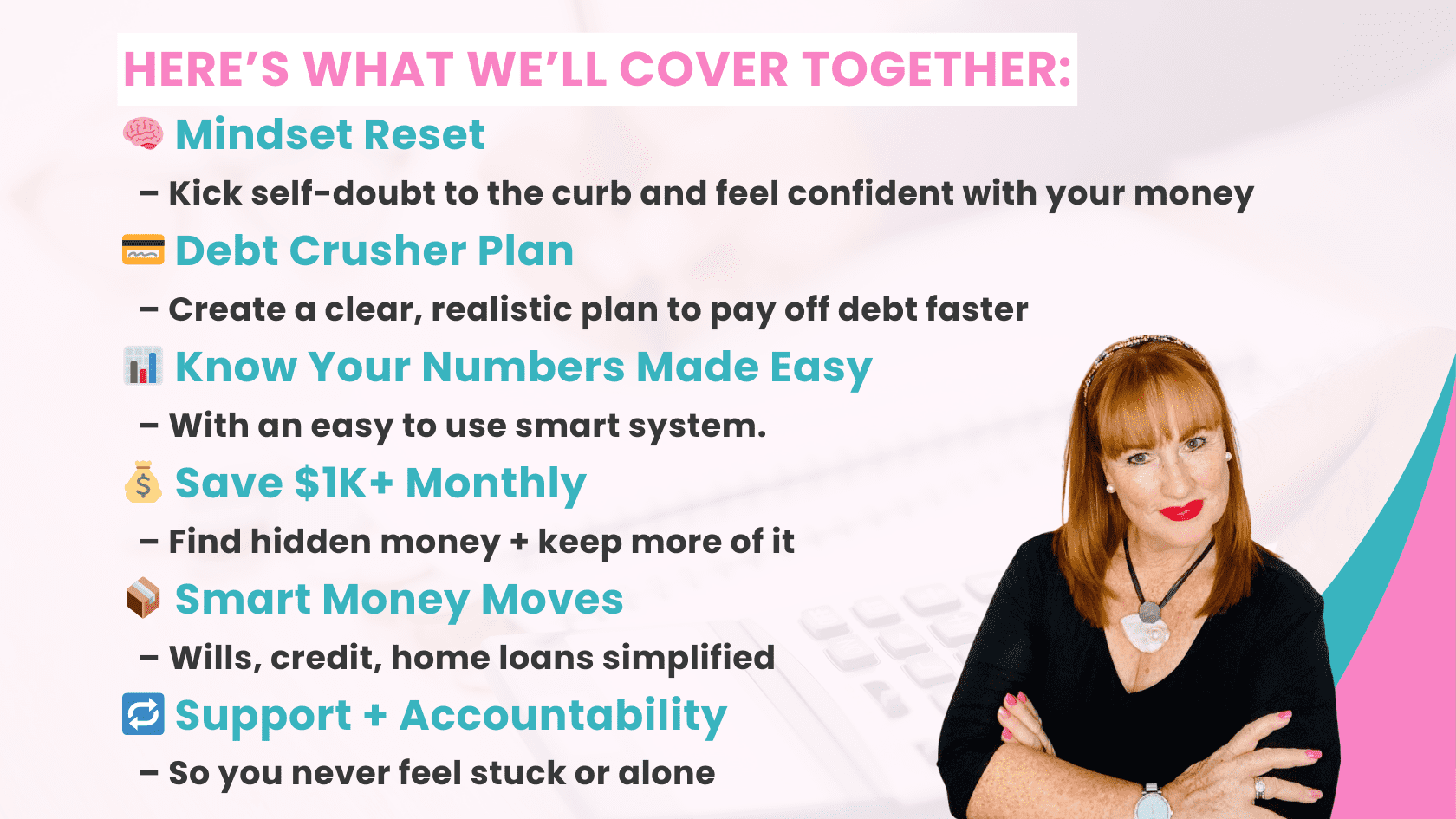
And yes – this is exactly why inside my Your Financial Freedom Breakthrough™ – 90 Day Money Makeover program, we don’t just talk about debt payoff tactics. We go deep into:

  • Money mindset shifts that last.
  • Customised debt payoff strategies that work for your real life.
  • Credit confidence – so you’re empowered, not intimidated.
  • Saving alongside debt payoff to build true financial stability.

It’s about creating a debt-free life you love – not one that feels like a punishment. 

? Ready to Take Action? (Mini Challenge!)

Let’s finish this post with a quick action step to help you get started today.

Debt Freedom Mini Challenge:

  1. Write down your current total debt balance – no judgment, just facts.
  2. Choose your preferred payoff method: Snowball (smallest balance first) or Avalanche (highest interest first).
  3. Set a realistic target date for your first major milestone – paying off ONE account.
  4. Automate your minimum payments, plus an extra small amount toward your top-priority debt.
  5. Start a tiny emergency fund – even just $10 this week – to protect your progress.

Take one step at a time, and watch the momentum build.

? Final Thoughts: You’re Closer to Debt Freedom Than You Think

Here’s what I want you to walk away with today: Debt freedom isn’t about punishment – it’s about empowerment. You don’t have to wait to feel good about your money – you can start now, even while in debt. Small, consistent shifts – both practical and emotional – are what create lasting change.

And if you’re ready to take this work deeper – so you can finally break free from debt, grow your savings, and feel peaceful with your money? Your Financial Freedom Breakthrough™ – 90 Day Money Makeover program opens on September 10th. Inside, we’ll tackle:

  • Debt payoff (without shame or extreme restrictions).
  • Credit confidence (in plain English!).
  • Sustainable saving habits.
  • And the deep money mindset work that makes all the difference.

This isn’t just another debt payoff plan, it’s a total transformation for your financial life. Get ready, friend – your next chapter starts soon.

Your Financial Freedom Breakthrough™
Your Financial Freedom Breakthrough™ - Scope
Are You Ignoring Your Financial Safety Net? Why Wills & Estate Planning Matter (Even If You’re Young!)

Are You Ignoring Your Financial Safety Net? Why Wills & Estate Planning Matter (Even If You’re Young!)

Alright, friend… it’s time we talk about something that everyone needs, but almost no one wants to deal with.

Wills. Estate Planning. Life insurance.

Did your eyes just glaze over?

Did you suddenly feel an overwhelming urge to click away or scroll to the fun stuff on Instagram?
Stay with me, because this may just be one of the most important money conversations you’ll ever have. Here’s the hard truth:

If you’re ignoring estate planning because you think it’s “only for rich people” or “something I can figure out later,” you’re playing a dangerous game with your financial future, and the people you love most.
In this post, I’m going to:

  • Bust the biggest myths about wills and estate planning.
  • Show you why everyone (yes, even you!) needs a plan.
  • Break down exactly what you need to do – without confusing legal jargon.
  • Help you take simple, meaningful action to protect your future.

And don’t worry, this isn’t going to be dry or boring.

We’re going to make this approachable, empowering, and (dare I say?) a little fun. Because protecting your future should feel like an act of love and self-respect, not something you dread.

? Myth #1: “Estate Planning Is Only for Rich People”

Let’s start here, because this myth is everywhere. When most people hear the phrase “estate planning,” they picture wealthy people with sprawling mansions, yachts, and family fortunes that need protecting. But here’s the truth: If you own anything – even a car, a bank account, or a pet – you have an estate.

Estate planning isn’t just for millionaires. It’s for:

  • The young professional with a growing savings account.
  • The parent who wants to protect their kids.
  • The small business owner with assets tied to their company.
  • The renter with a car loan and a retirement fund.

If you have money, possessions, dependents, or even digital assets – estate planning applies to you.

If you own anything - even a car, a bank account, or a pet - you have an estate.

? Why Avoiding Estate Planning Could Cost You (Big Time)

I get it – thinking about wills, death, and “what ifs” isn’t exactly a fun Friday night activity. But here’s the thing… Avoiding estate planning doesn’t make it go away. It just creates more chaos for the people you care about most. Without a will or estate plan in place:

  • The courts decide who gets your assets – and it may not align with your wishes.
  • Your loved ones could be tied up in legal battles for months (or even years).
  • Minor children could end up with a guardian chosen by the court – not you.
  • Your hard-earned money could get eaten up by legal fees, taxes, or other costs.

In short, not planning can create stress, delays, and heartache at the worst possible time.

But when you take just a little time to set up your financial safety net? You give your loved ones clarity, protection, and peace of mind.

? “But I’m Too Young for a Will!”

Another common myth? Thinking you’re too young to need a will. Here’s a little truth bomb:

Wills aren’t about age – they’re about responsibility.

You may not think you need one yet, but ask yourself:

  • Do you have savings, retirement accounts, or life insurance?
  • Do you have pets who rely on you?
  • Do you own a car, home, or business?
  • Do you have people who depend on your income?
  • Do you have strong opinions about where your money should go if something happens to you?

If you answered yes to any of those, it’s time to start planning. Remember—estate planning isn’t about expecting the worst. It’s about being prepared for whatever life throws your way.

✨ Estate Planning: It’s Not Just About Death – It’s About Life, Too!

One of the most overlooked parts of estate planning? It’s not just about what happens after you’re gone. It also protects you while you’re alive, especially if you ever:

  • Become seriously ill.
  • Get injured and can’t manage your finances or healthcare decisions.

Your estate plan can include documents like:

  • Power of Attorney: Designating someone you trust to manage your finances if you can’t.
  • Healthcare Directive: Outlining your wishes for medical treatment and end-of-life care.
  • Guardianship Designations: Naming who will care for your minor children if you’re unable to.

These documents ensure your voice is heard – no matter what.

? What’s Actually Included in a Basic Estate Plan?

Let’s strip away the legal jargon and break this down simply. Here’s what most people need in their estate plan:

1. A Will

This legal document spells out:

  • Who will inherit your assets (money, property, belongings, etc.).
  • Who will take care of your children or dependents (if applicable).
  • Who will manage your estate (called an executor)

What To Include in A Basic Estate Plan

2. Power of Attorney (POA)

This gives someone legal authority to:

  • Handle your finances if you’re incapacitated.
  • Make decisions on your behalf if you can’t.

3. Healthcare Directive (Living Will)

This outlines your medical wishes if you’re unable to communicate them.

4. Beneficiary Designations

Certain accounts (like life insurance, retirement accounts, and some bank accounts) allow you to name a beneficiary directly. These override your will, so it’s crucial to keep them updated.

5. Guardianship Designations (If Applicable)

If you have minor children, this document names who you want to raise them if you’re unable to.

Bonus: Trusts (Optional for Some)

While not necessary for everyone, trusts can:

  • Help avoid probate (the legal process of validating a will).
  • Provide additional control over how and when assets are distributed.
  • Offer potential tax benefits.

? How to Get Started with Estate Planning (Without Feeling Overwhelmed)

Deep breath – this doesn’t have to be complicated! Here’s how to start, step by step:

Step 1: Take Inventory

List all your:

  • Bank accounts
  • Retirement accounts
  • Investments
  • Properties
  • Vehicles
  • Insurance policies
  • Personal belongings of high value
  • Digital assets (crypto, social media, etc.)

Step 2: Clarify Your Wishes

Think about:

  • Who should inherit your assets?
  • Who do you trust to handle your finances and healthcare if needed?
  • Who would you want to care for your kids or pets?
  • Are there any charitable causes you’d like to support?

Step 3: Get Legal Help (If Needed)

While you can create simple wills online for a low cost, it’s often wise to consult an estate attorney, especially if:

  • You have significant assets.
  • You own a business.
  • You have a blended family or complex situation.

Step 4: Communicate Your Plan

This is the step most people skip, but it’s essential! Let your loved ones know:

  • That you’ve created an estate plan.
  • Where they can find the documents.
  • Who has been designated for certain roles.

Transparency now avoids confusion later.

Step 5: Review & Update Regularly

Life changes – your estate plan should too. Revisit your documents anytime you:

  • Get married or divorced.
  • Have children.
  • Move to a new state (laws vary).
  • Experience major financial changes.

? But What If You Don’t Have Much to Leave Behind?

Here’s a powerful truth: Estate planning isn’t just about leaving behind money – it’s about leaving behind clarity. Even if your financial picture feels “small” right now, your loved ones will still need to:

  • Handle your debts and bills.
  • Access your accounts.
  • Close out your digital presence.
  • Make healthcare decisions if needed.

Having a clear plan ensures they can do so smoothly. Plus, it sends a strong message: “I respect myself and the people I care about enough to plan ahead.”

? Estate Planning = Empowerment, Not Fear

I get it – this can all feel heavy. But here’s how I want you to reframe it:

Estate planning isn’t about preparing for doom and gloom.

It’s about:

  • Taking ownership of your life.
  • Protecting your family.
  • Making your wishes known.
  • Creating peace of mind, for you and for those you love.

It’s one of the most profound acts of love and responsibility you can make.

? How This Connects to Your Financial Breakthrough

In my Your Financial Freedom Breakthrough™ – 90 Day Money Makeover program, we don’t just focus on day-to-day money tasks like budgeting and debt. We go deeper, because true financial empowerment covers everything. That includes:

  • Building your savings.
  • Tackling your debt.
  • Creating an intentional spending plan.
  • AND making sure your financial house is in order with estate planning.

Most programs skip this step, but I refuse to. Why? Because I’ve seen firsthand how having a financial safety net changes lives.

In the program, you’ll:

  • Learn exactly what legal documents you need.
  • Get simple checklists to help you start (even if you’re a total beginner).
  • Be guided through tough but important questions with compassion and clarity.

It’s all about making this process approachable, doable, and even empowering.

? Ready to Take Action? (Mini Challenge!)

Let’s get you started today with a bite-sized action step.

Estate Planning Mini Challenge:

Make a list of ALL your current accounts and assets. Check the beneficiaries on your bank accounts and retirement funds. Update them if needed.

Choose ONE document to tackle this month:

  • Will
  • Power of Attorney
  • Healthcare Directive

Start with the easiest one for you. This tiny step will start creating massive peace of mind, and it’s easier than you think.

? Final Thoughts: Your Legacy Starts Now

Here’s what I want you to remember: Estate planning isn’t just for “older” or “wealthy” people – it’s for everyone who wants to protect their future.

You don’t need to do it all at once, but starting somewhere is powerful. This isn’t about fear – it’s about empowerment, peace of mind, and love.

And if you’re ready to take this even further to finally build a money plan that covers everything from budgeting to wills and beyond, get ready. My Your Financial Freedom Breakthrough™ – 90 Day Money Makeover opens on September 10th, and it’s designed to help you:

  • Create lasting financial change.
  • Build a money system that works for your life.
  • Feel empowered, organised, and confident with your finances – once and for all.

You’ve got this, and I’m cheering you on every step of the way.

Your Financial Freedom Breakthrough™
Your Financial Freedom Breakthrough™ - Scope
EOFY is Over – Now What? How to Make the Most of Your Fresh Start

EOFY is Over – Now What? How to Make the Most of Your Fresh Start

The receipts are in, the spreadsheets are done, and you’ve (hopefully) high-fived your tax agent. The end of financial year (EOFY) is behind us – but what now?

For many Australians, EOFY feels like the finish line. But what if I told you it’s actually the starting line for something bigger: your financial transformation?

This fresh start isn’t just about filing taxes. It’s about taking back control, getting intentional, and building the kind of financial life that makes you feel calm, confident, and in charge.

Here’s exactly how to use the post-EOFY energy to fuel your financial success in the new year.

1. Reflect, Don’t Regret: Review Your Financial Year With Curiosity

Before you launch into new goals, pause to reflect. What worked last year? What didn’t? Where did your money actually go?

This isn’t about blame or shame. It’s about building awareness. If you don’t know your patterns, how can you shift them?

Look at:

  • Income vs. spending: Were you living within your means?
  • Savings progress: Did you build or drain your emergency fund?
  • Debt: Did it grow, shrink, or stay the same?
  • Investments: Did you start, stop, or ignore them?

Pro tip: Ask yourself: “What would I love to feel differently about my money this year?”

2. Reset Your Financial Goals (Make Them Feel Exciting!)

Generic goals like “save more money” or “spend less” don’t motivate anyone. Your goals should feel like a reward, not a punishment.

Examples:

  • Old: Save $5,000
  • New: Save $5,000 to take the family on a Bali holiday

Or:

  • Old: Pay off credit card
  • New: Clear my credit card so I can sleep better at night and finally stop stressing over bills

The more emotionally connected you are to the why, the easier it is to stay focused.

Try this:

  • Choose 1 short-term goal (within 6 months)
  • Choose 1 long-term goal (6+ months to 3 years)
  • Attach a reason and an emotion to each

Reset Your Financial Goals

3. Do a Budget Reset That Reflects the Life You Want

Forget rigid old-school budgets. Let’s talk about a spending plan that reflects your values.
Where do you want your money to go? Think beyond bills. Think joy, freedom, peace of mind. Start by:

  • Reviewing subscriptions: Are you using them all?
  • Updating your cost of living: Groceries, fuel, and utilities have changed – so should your plan
  • Adjusting categories: Maybe you’re spending more on wellness, less on takeaway

Bonus idea: Create a “Fun Fund” for guilt-free spending on the things you love. Yes, really.

4. Revisit (or Create) Your Emergency Fund

This year has already shown us how unpredictable life can be. Having a financial buffer can be the difference between stress and peace of mind.

Even $1,000 can give you breathing room. Ideally, aim for 3 months of expenses, but start small and build momentum.

Hot tip: Keep your emergency fund in a high-interest savings account you don’t touch unless it’s a genuine emergency.

5. Re-assess Your Super and Insurance

Post-EOFY is the perfect time to check in on the financial foundations you often forget about.

  • Superannuation: Are your contributions on track? Is your fund performing? Are fees eating into your future?
  • Personal insurance: Are you covered for income protection, life, or trauma? Is it still aligned with your needs?

Even a quick 20-minute review can help you spot easy wins or avoid future issues. Need help? A financial coach (like me) or adviser can guide you through these choices in plain English.

Superannuation

6. Start a New Habit (Small, Consistent Wins Add Up)

Want to save more, spend better, or build wealth? It starts with habits. Pick one new habit that supports your bigger goal. For example:

  • Transfer $50 to savings every payday
  • Spend 5 minutes a week reviewing your money
  • Read or listen to one money podcast per month
  • Tiny habits build massive momentum.

Try this: Schedule a 15-minute “money date” with yourself every week. Make it fun: coffee, music, candle, whatever makes it feel less like a chore.

7. Get Support: Don’t go it alone!

If the last financial year felt overwhelming, you don’t have to repeat that story.

Whether it’s talking to a financial coach (yep, that’s me!), joining a money challenge, or signing up for a workshop, getting support can fast-track your progress and boost your confidence.

You’re not behind. You’re not bad with money. You just haven’t had the right tools or team yet.

EOFY is Done. Your Financial Comeback Starts Now.

This new financial year is more than a date change, it’s an opportunity. You can choose to:

  • Set goals that actually excite you
  • Build a money plan that fits your real life
  • Create calm, clarity, and confidence in your finances

Ready to stop winging it and start winning it? Book your free discovery session today and let’s create a plan you can stick to, without the stress.

Your fresh start is waiting. Let’s make it count.

You survived EOFY. Now let’s help your money thrive.

Free Budgeting Spreadsheet
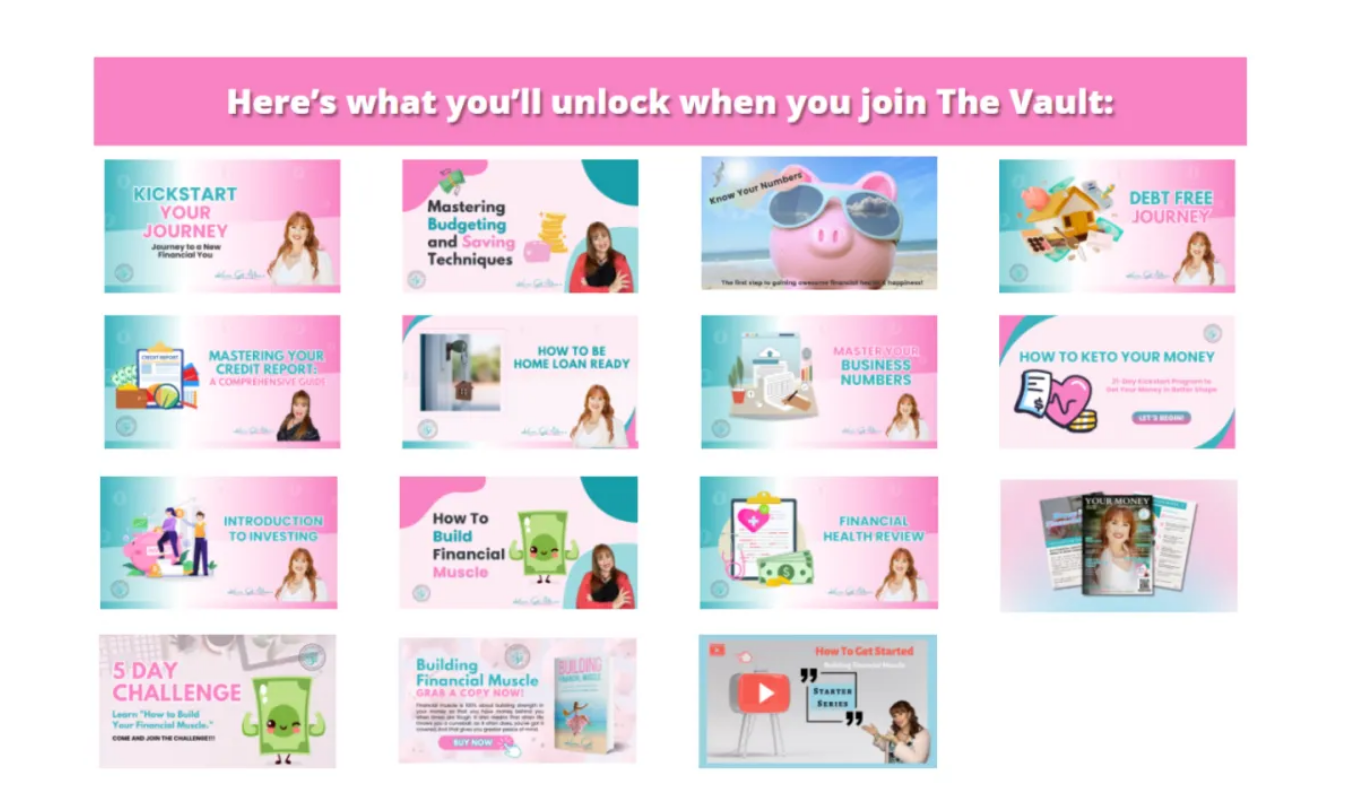
The Vault
Money Mindset Makeover: Rewiring Your Brain for Financial Success

Money Mindset Makeover: Rewiring Your Brain for Financial Success

Have you ever felt like no matter what you do, financial success always seems just out of reach? Maybe you’ve tried budgeting, saving, and cutting expenses, but something still holds you back from true financial freedom. What if the key to transforming your financial reality isn’t just in spreadsheets and numbers but in your mindset?

The Power of Money Mindset

Your thoughts and beliefs about money shape your financial reality more than you think. If you grew up hearing phrases like “money doesn’t grow on trees” or “rich people are greedy,” you may unconsciously hold limiting beliefs that prevent you from achieving financial success.

Your money mindset determines how you earn, spend, save, and invest. A scarcity mindset can keep you stuck in fear and lack, while an abundance mindset opens doors to financial opportunities. If you’re ready to shift from financial stress to success, let’s start rewiring your brain for wealth!

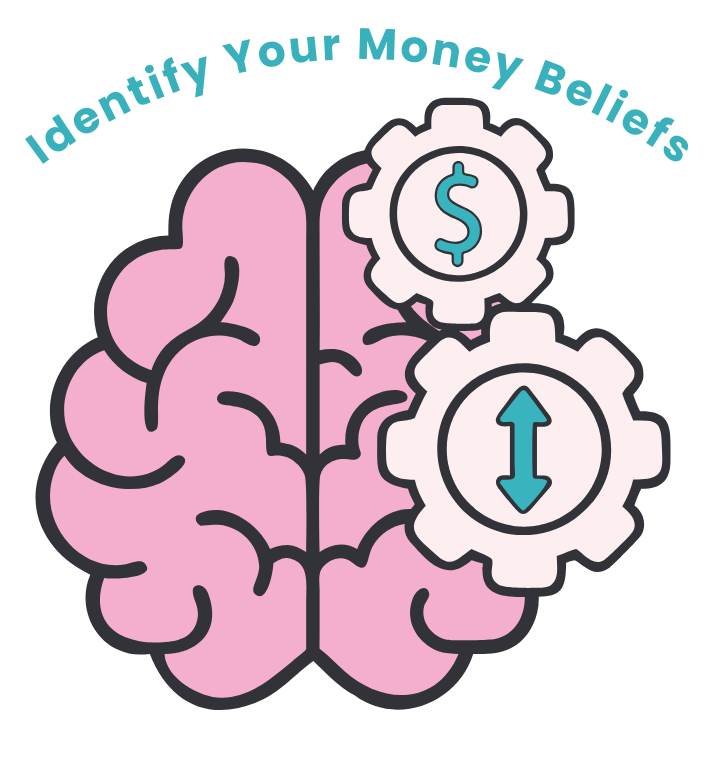
Step 1: Identify Your Money Beliefs

Before you can change your mindset, you must first uncover the deep-rooted beliefs you hold about money. Ask yourself:

  • What did I hear about money growing up?
  • Do I believe that making money is hard?
  • How do I feel when I spend money – guilt, fear, excitement?
  • Do I see money as a tool or an obstacle?

Write down your answers and notice any patterns. Awareness is the first step to transformation.

Build a Buffer Fund

Step 2: Reframe Your Money Story

Now that you’ve identified limiting beliefs, it’s time to replace them with empowering ones. If you’ve been telling yourself, “I’ll never get ahead financially,” flip the script to “I am capable of creating financial abundance.” Instead of “I’m bad with money,” tell yourself, “I am learning to master my finances.”

Affirmations like these rewire your subconscious mind to support your financial goals. Say them daily, write them down, and believe them.

Step 3: Visualise Your Financial Success

Elite athletes use visualisation to win competitions, and you can use the same technique to achieve financial success. Close your eyes and imagine:

  • Seeing a healthy bank balance
  • Living in your dream home
  • Traveling without financial worry
  • Feeling empowered and in control of your money

The more vividly you picture your financial success, the more your brain works to turn it into reality.

Step 4: Upgrade Your Financial Cycle

You are the average of the five people you spend the most time with. If those around you constantly complain about money, struggle financially, or discourage your financial growth, it might be time to upgrade your financial circle.

Surround yourself with people who inspire and uplift you financially. Join money-focused communities, listen to financial podcasts, and invest in programs that teach financial mastery.

Step 5: Take Action With Confidence

Mindset without action won’t lead to results. Set clear financial goals and take intentional steps toward them. Whether it’s increasing your income, paying off debt, or investing, make decisions with confidence, knowing you are in control of your financial destiny.

 FINAL THOUGHTS

Transforming your financial mindset is the most powerful step toward wealth and success. When you change your thoughts, you change your actions, and when you change your actions, you change your life.

If you’re ready to take your financial transformation to the next level and want a complete money transformation, the Master Your Money Program will guide you every step of the way.

Start today — your wealthy future is waiting!

The 5 Biggest Money Mistakes Small Business Owners Make (And How to Fix Them Fast)

The 5 Biggest Money Mistakes Small Business Owners Make (And How to Fix Them Fast)

Let’s face it – being a small business owner is no joke.

You’re juggling clients, projects, quoting jobs, doing the work, chasing payments, paying staff or suppliers, and – somewhere in there – trying to make sure you actually get paid.

But if it feels like you’re always hustling and still living week to week, chances are… your money systems are working against you, not for you.

And here’s the thing: it’s not about how smart you are or how hard you work. Most business owners weren’t taught how to manage their money. You were probably just thrown into the deep end, figuring it out as you go.

The good news? You can stop spinning your wheels, and it starts by avoiding the most common financial traps.

In this blog, I’ll walk you through the 5 biggest money mistakes I see every week and more importantly, show you how to fix them fast so you can take back control and finally feel financially secure in your business.

Mistake #1: Not Paying Yourself a Regular Wage

Let’s talk about one of the most common (and painful) mistakes small business owners make: they don’t pay themselves consistently.

You might be saying:

“I take money out when I need it.”

“There’s never enough to pay myself regularly.”

“I’ll pay myself properly when things settle down.”

Here’s the problem with that: you’re running your business like an ATM, not a real operation. And that mindset will keep you broke – even when you’re making good money.

? The Fix:

Set up a dedicated Owner’s Pay account, and start paying yourself a consistent wage every week or fortnight. Even if it’s only $200 to start, build the habit. When you get paid from clients, transfer a fixed percentage into your Owner’s Pay account – just like you’d pay an employee.
This does two things:

  • It forces you to treat your income seriously.
  • It allows you to plan and budget your personal life better.

The Edge coaching program teaches you how to calculate your break-even wage and build a cash flow system that actually works for your business.

Why Hard Work Alone Isn’t Paying Off

Mistake #2: Mixing Personal and Business Finances

It might seem harmless to buy a Bunnings tool on your personal card or pay the rego for the work ute from your grocery account – but over time, this creates a total mess.

It’s impossible to track how your business is performing if everything is muddled together. You won’t know what you’re spending, earning, or saving – and when tax time rolls around, you’ll be in a world of pain.

? The Fix:

Set up two separate bank accounts at the bare minimum:

  • One for business income and expenses
  • One for personal living

Better yet, I recommend creating five simple business accounts:

  1. Income – all revenue lands here
  2. Owner’s Pay – your regular wage
  3. Expenses – for bills, tools, and running costs
  4. Tax & BAS – set aside 25 – 30% per payment
  5. Profit – for business growth or rainy days

Once this is in place, your financial clarity skyrockets. You’ll know exactly where your money is going, and you’ll be less tempted to “accidentally” spend it.

Mistake #3: Ignoring the Numbers

This one’s a biggie, and I get it. Many small business owners avoid looking at their numbers because they’re overwhelmed, too busy, or just afraid of what they’ll find.
But let’s be honest – if you don’t know your numbers, you don’t know your business.
You can’t improve what you don’t measure.

? The Fix:

Start by checking these numbers weekly:

  • Revenue: What came in?
  • Expenses: What went out?
  • Net Profit: What’s left over after expenses?
  • Break-even: How much do you need to earn to cover costs and pay yourself?

Create a simple weekly “money date” even just 30 minutes every Friday, to review your finances, send invoices, follow up on payments, and track your progress.

In The Edge, we give you simple templates to track this in under 10 minutes a week (no accountant brain required).

Mistake #4: No System for Tax and BAS

You know the drill: things are going well… until BAS time hits. Suddenly the ATO wants thousands you didn’t put aside, and you’re scrambling to pay.

Sound familiar?

Many small biz owners treat BAS like a nasty surprise – but it’s completely avoidable if you plan for it. Any case remember it’s not your money in the first place.

? The Fix:

Every time you get paid, immediately transfer 25 – 30% into your Tax Account for taxes and BAS. Pretend it’s not yours. Because technically – it’s not. That’s the ATO’s cut.

If you’re registered for GST, track your income and expenses monthly and lodge on time. Using software like Xero, QuickBooks, or even a simple spreadsheet will make this 10x easier.

Imagine having a tax bill and already having the money sitting there ready. That’s the kind of peace The Edge helps you create.

Mistake #5: Undercharging for Your Work

This one hurts because you’re working hard, showing up, and doing great work… but the money just isn’t adding up.

Often, it’s because you’re undercharging. Maybe you’re pricing based on what others charge, or you’re too scared to raise your rates in case you lose clients.

But here’s the thing: if your pricing doesn’t cover your expenses, time off tools, admin time, and leave a profit – you’re not running a business. You’re running a charity.

? The Fix:

  • Add up everything it costs to run your business monthly (including paying yourself)
  • Work out how many hours you realistically work and how many jobs you can do
  • Divide your monthly costs by the number of billable hours or jobs – that’s your true minimum rate
  • Add a profit margin

Also, factor in time spent quoting, driving, admin, and materials. You’re not just being paid for the hour on site, you’re being paid for all the time and expertise it takes to do the job well.

In The Edge, we give you a simple pricing tool to calculate your true rate with confidence – so you never wonder, “Am I charging enough?” again.

Bonus Tip: You Don’t Have to Figure This Out Alone

Here’s the thing most people won’t tell you: money stress isn’t about how much you make. It’s about how you manage what you’ve got.

And most small business owners were never taught how to do this. You’ve just been doing the best you can with what you know.

But what if there was a better way?

What if, in just 6 weeks, you could:

✅ Pay yourself regularly
✅ Get your tax sorted and stop panicking at BAS time
✅ Know your numbers and feel in control
✅ Charge with confidence
✅ Build a buffer so you’re never caught off guard
✅ Actually enjoy running your business again?

Introducing: The Edge – Your 6-Week Business Financial Reset

The Edge is a coaching program for tradies, franchisees and small business owners who are sick of just “getting by” and ready to build a business that actually pays them.

Inside The Edge, you’ll get:

? Weekly coaching calls
? Easy-to-use templates and systems
? Real-life strategies that work for time-poor business owners
? Support and accountability from someone who gets it
? A full money makeover – without the financial jargon

It’s not about being perfect – it’s about taking action, building structure, and finally feeling confident with your money.

Final Thoughts: You Can Fix This. Fast.

The biggest money mistakes small business owners make aren’t about numbers, they’re about habits.
If you’re not paying yourself, mixing finances, ignoring your numbers, or winging it at tax time… it’s costing you more than you know. Not just money, but peace of mind, time with your family, and the freedom you started your business for.

You don’t have to keep doing it the hard way.

Let’s fix it – fast, together, and for good.

? Ready to stop surviving and start thriving?

Join The Edge 6-Week Coaching Program Now and get the tools, systems, and support you need to take control of your business money – once and for all.

THE EDGE - 6-WEEK PROGRAM