
• For Small Business
  • Workplace Wellbeing
  • About
  • Blog
  • Podcast
  • Contact
Why Knowing Your Numbers is the Secret to Financial Freedom

Why Knowing Your Numbers is the Secret to Financial Freedom

Apr 2, 2025 | Financial Management 101

Financial freedom isn’t just about saving money or cutting costs; it’s about truly understanding your financial position. Knowing your numbers means gaining a clear picture of your assets, liabilities, income, and expenses. This knowledge is the foundation for making informed decisions, reducing financial stress, and achieving stability. In this blog, we’ll explore why knowing your numbers is essential and how you can start your journey toward financial clarity today.

Know Where You Stand

Why Knowing Your Numbers Matter

Many people focus on earning more or spending less, but without knowing your numbers, it’s like driving a car without a map or GPS. You might be moving, but you’re not necessarily headed in the right direction. Here’s why understanding your financial position is crucial:

    • Know Where You Stand: Your net position – the difference between what you own and what you owe is a snapshot of your financial health. It gives you a clear idea of whether you’re building wealth or falling behind.
    • Set Realistic Goals: When you know your numbers, you can set achievable financial goals, like paying off debt, saving for a home, or building an emergency fund.
    • Identify Opportunities for Growth: Understanding your financial position helps you spot areas where you can save more, invest smarter, or cut unnecessary expenses.
    • Reduce Financial Stress: Clarity about your finances reduces anxiety and empowers you to make confident decisions.

Your financial assets include your savings accounts, investments, and retirement funds.

Your financial assets consist of your savings, investments, and retirement funds, which represent the resources you own that can contribute to your financial security and future wealth.

Breaking Down the Basics – What to Track

Knowing your numbers involves more than just looking at your bank balance. Here’s what you need to assess:

1. ASSETS

        • Tangible Assets: Your home, car, or valuable items like jewellery or collectibles.
        • Financial Assets: Savings accounts, investments, and retirement funds.

2. LIABILITIES

        • Debts: Credit cards, personal loans, student loans, and mortgages.
        • Recurring Obligations: Bills, subscriptions, and other regular expenses.

3. INCOME

        • Primary Income: Salary or wages.
        • Secondary Income: Side hustles, investment dividends, or rental income.

4. EXPENSES

        • Fixed Expenses: Rent, insurance, and utilities.
        • Variable Expenses: Groceries, entertainment, and travel.

How to Calculate Your Net Position

The formula is simple: Net Position = Total Assets – Total Liabilities. Here’s an example:

Assets: $200,000 (home equity, savings, investments)
Liabilities: $150,000 (mortgage, credit card debt, loans)
Net Position: $50,000

If your net position is positive, you’re in a good place. If it’s negative, don’t panic this is your starting point for improvement.
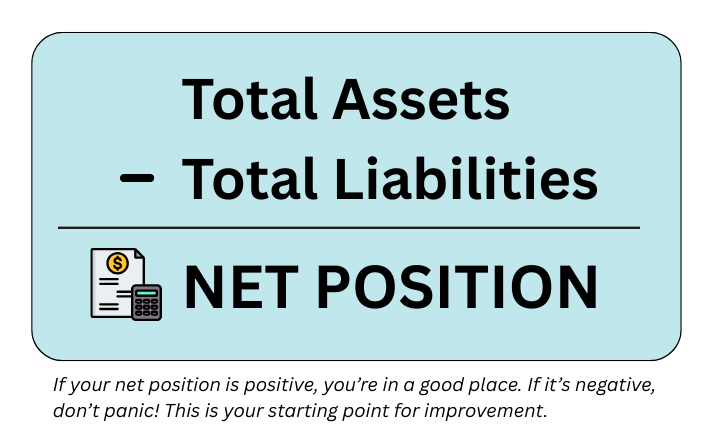
How to Calculate Your Net Position

Steps to Take Control of Your Numbers

1. START WITH A FINANCIAL INVENTORY

        • Make a detailed list of all assets and liabilities.
        • Use tools like spreadsheets or budgeting apps for accuracy.

2. TRACK YOUR SPENDING

        • Review your bank and credit card statements to understand your spending habits.
        • Categorise expenses to identify areas for adjustment.

3. CREATE A FINANCIAL PLAN

        • Set short-term, medium-term, and long-term goals.
        • Prioritise high-interest debt and build an emergency fund.

4. REVIEW REGULARLY

        • Schedule monthly or quarterly reviews to track progress.
        • Adjust your plan as needed based on life changes.

Common Mistakes to Avoid

1. IGNORING THE BIGGER PICTURE

      • Focusing only on day-to-day expenses without understanding your overall financial health.

2. PROCRASTINATING

      • Delaying the process of assessing your finances can make it harder to take control.

3. OVERLOOKING SMALL DEBTS

      • Small debts add up and can significantly impact your net position.

4. NOT SEEKING HELP

      • Don’t hesitate to consult a financial coach or use resources like our “Know Your Numbers” course.
Small debts add up and can significantly impact your net position.

How Our Course Can Help

Our “Know Your Numbers” course is designed to make this process easy and actionable. Here’s what you’ll gain:

1. STEP-BY-STEP GUIDANCE

      • Learn how to assess and improve your financial position.

2. PRACTICAL TOOLS

      • Access calculators, templates, and worksheets.

3. EXPERT INSIGHTS

      • Benefit from tips and strategies sared by experienced financial coaches.

4. ONGOING SUPPORT

      • Get access to our community and resources for continued learning.

Real Life Success Stories

  • Emma’s Journey: After taking the “Know Your Numbers” course, Emma discovered she had enough savings to pay off a small loan. She’s now building her emergency fund and feels more confident about her future.
  • James’ Transformation: James used the tools from the course to identify unnecessary expenses. By cutting these costs, he’s saved over $500 a month and is on track to pay off his credit card debt.

Conclusion

Knowledge is power, especially when it comes to your finances. Understanding your numbers isn’t just a one-time task—it’s a habit that leads to financial freedom. Take control of your financial future by joining our “Know Your Numbers” course today. Let’s build a stress-free, confident financial life together.

Know Your Numbers
CLICK HERE TO LEARN MORE ABOUT 'KNOW YOUR NUMBERS'
The Secret to Financial Freedom: Why ‘Mastering Budgeting and Savings’ Is the Game-Changer You Need

The Secret to Financial Freedom: Why ‘Mastering Budgeting and Savings’ Is the Game-Changer You Need

Feb 26, 2025 | Financial Management 101

What does financial freedom mean to you? For some, it’s living debt-free; for others, it’s having enough savings to retire comfortably. Whatever your vision, one thing is certain: the journey to financial freedom starts with mastering the basics. That’s where the Mastering Budgeting and Savings Course comes in.

What is Financial Freedom?

Financial freedom isn’t about being rich – it’s about having the money to live the life you want without constant stress. Achieving it requires three things:

1. A clear understanding of your finances.

2. A plan to eliminate debt and build savings.

3. The discipline to stick with your plan long-term.

Why Budgeting is the Key to Freedom?

At the heart of every financial success story is a solid budget. Budgeting isn’t about restriction, it’s about prioritising what matters most to you. The Mastering Budgeting and Savings Course teaches you how to:

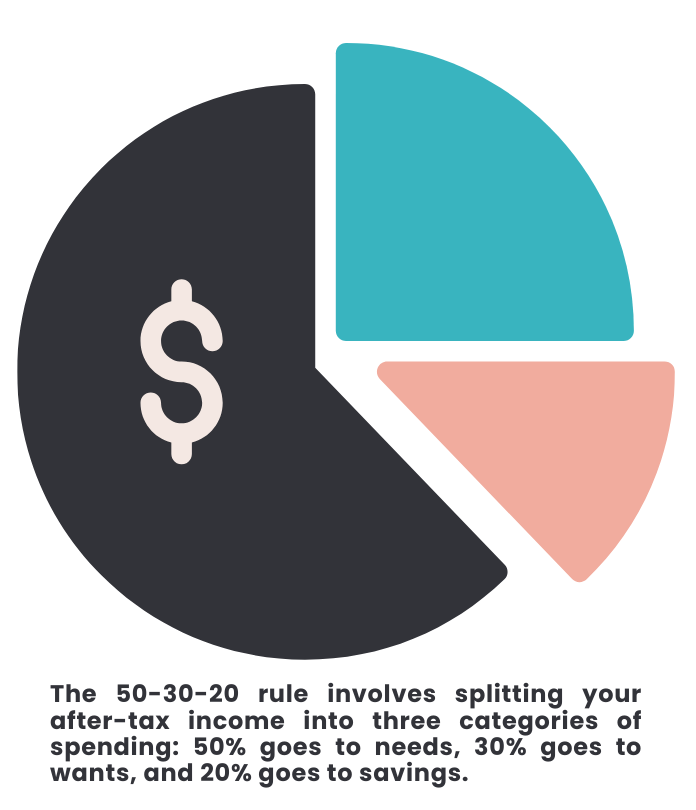
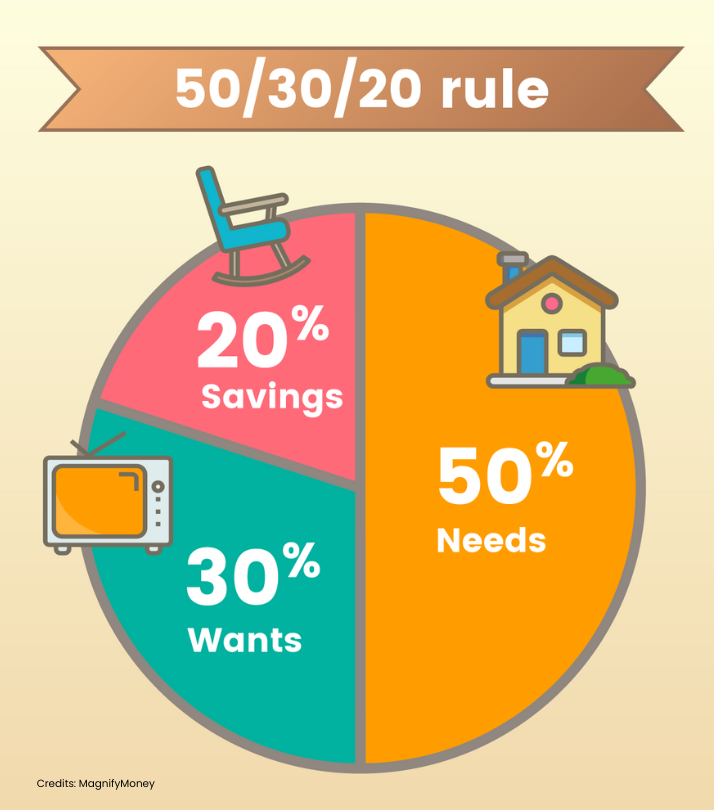
    • Allocate your income effectively using the 50/30/20 rule (50% for needs, 30% for wants, and 20% for savings and debt).
    • Identify and eliminate unnecessary expenses.
    • Set realistic financial goals and track your progress.

How Savings Accelerate Your Journey

Saving money isn’t just about putting cash aside; it’s about creating financial security and opportunities. Through this course, you’ll learn how to:

    • Build an emergency fund to cover unexpected expenses.
    • Automate your savings for long-term goals like a home deposit or retirement.
    • Maximise your savings by choosing the right accounts and tools.

Why This Course Works

The Mastering Budgeting and Savings Course is designed for busy individuals who want results. It’s broken down into actionable modules that guide you step-by-step through:

1. Assessing your financial situation.

2. Creating a budget that aligns with your goals.

3. Building and maintaining a sustainable savings plan.

4. Tackling debt with proven strategies.

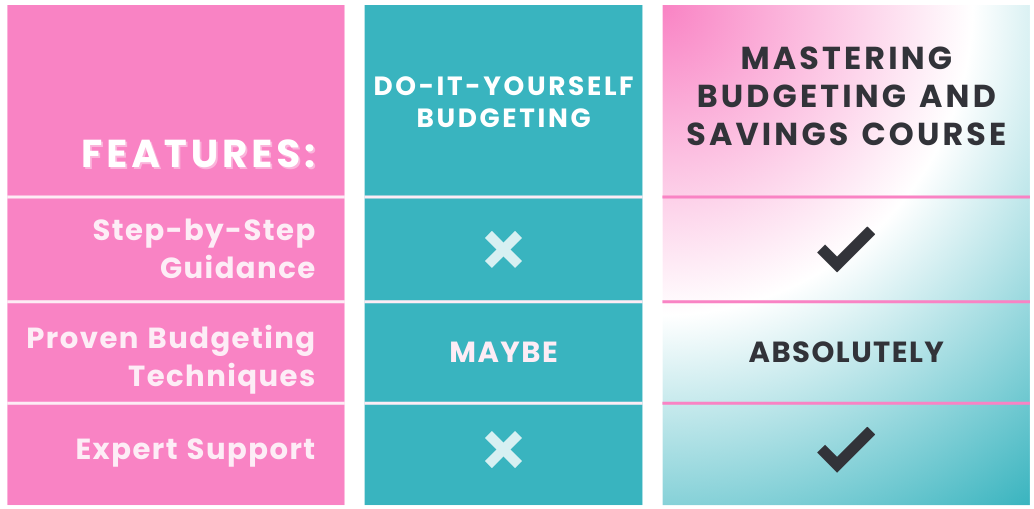
 Mastering Budgeting and Savings Course

Testimonials: Real People, Real Results

Meet Karen (yes, another Karen!), a 45-year-old who struggled to save for her dream home while juggling credit card debt. After taking the Mastering Budgeting and Savings Course, she:


  • Saved $15,000 for a deposit in two years.
  • Paid off her $10,000 credit card balance using the debt snowball method.
  • Finally felt in control of her money for the first time in decades.
Get ready to take control of your money and learn how to build financial muscle!
Mastering Budget and Savings Techniques by Karen G Adams - Financial Management 101
ENROL TODAY

A Pathway to Financial Freedom

The journey to financial freedom starts with the first step. By enrolling in the Mastering Budgeting and Savings Course, you’ll gain the knowledge and confidence to take control of your money and create the life you’ve always wanted.

Are You Ready?

Financial freedom isn’t a dream – it’s a decision. Take action today and start building the foundation for a brighter tomorrow. Sign up now and make this the year you master your money and achieve financial freedom!

Don’t wait for the perfect moment – take control of your finances now! Enroll in the Mastering Budgeting and Savings Course today and start your journey to financial freedom.

Master Your Money: 5 Steps to Take Control of Your Finances Today

Master Your Money: 5 Steps to Take Control of Your Finances Today

Feb 12, 2025 | Financial Management 101

Do you ever feel like your finances are controlling you, instead of the other way around? The good news is that financial control isn’t about being perfect – it’s about making intentional choices and taking consistent steps toward your goals. Let’s break down the five steps that can help you master your money and regain control of your financial future.

STEP 1: KNOW YOUR NUMBERS

Before you can improve, you need to understand your starting point. Here’s how:

  • Track your income and expenses. Use an app, spreadsheet, or pen and paper to list every dollar coming in and going out.
  • Identify your financial position. Calculate your net worth by subtracting your liabilities (debts) from your assets (savings, property, etc.).
  • Spot patterns. Are there expenses you can cut back on or habits you can change?

The insights from this step often surprise people, and they’re the foundation for everything else.

    Track your income and expenses

    STEP 2: SET SMART GOALS

    Vague goals like “save money” don’t work. Instead, use the SMART framework to set goals that are Specific, Measurable, Achievable, Relevant, and Time-bound.

    For example:

    • Short-term Goal: Save $1,000 for an emergency fund in three months.
    • Medium-term Goal: Pay off a $5,000 credit card balance within a year.
    • Long-term Goal: Save a 20% deposit for a home in five years

    STEP 3: MASTER THE ART OF BUDGETING

    The cornerstone of financial success is budgeting—and there’s no better resource to guide you than the Master Your Money Program. This program teaches you to create a budget that balances your needs, wants, and financial goals.

    Key takeaways include:

    • Understanding the 50/30/20 rule (50% needs, 30% wants, 20% savings/debt repayment).
    • Setting up separate accounts for different spending categories.
    • Tracking your progress and adjusting as need
    Understanding the 50/30/20 rule

    STEP 4: ELIMINATE DEBT STRATEGICALLY

    Debt doesn’t just drain your wallet; it drains your peace of mind. The Mastering Budgeting and Savings Course provides actionable strategies to tackle debt, including:

    • The debt snowball method, which focuses on paying off smaller debts first.
    • The debt avalanche method, which prioritizes high-interest debts.
    • Techniques for negotiating lower interest rates or consolidating debt.

    STEP 5: BUILD A FINANCIAL SAFETY NET

    Life is unpredictable, but your finances don’t have to be. Automate your savings to build a robust emergency fund, ideally covering 3–6 months’ worth of expenses. Once your safety net is in place, you can focus on other financial goals with confidence.

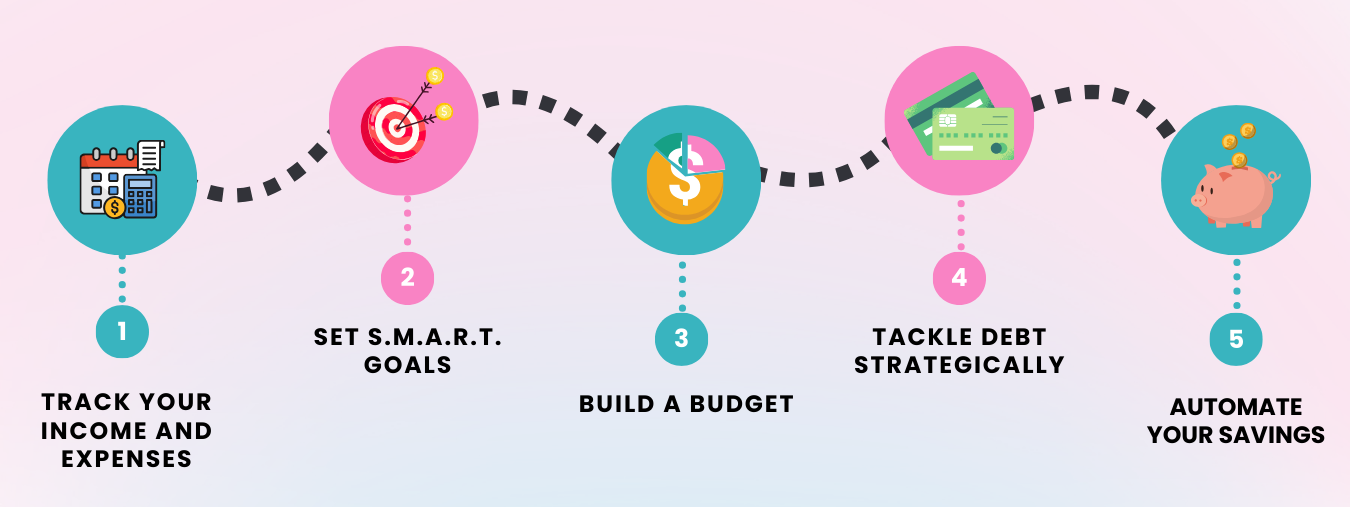
    5 Steps to Take Control of Your Finances Today

    Ready to Master Your Money?

    Mastering your money isn’t a one-time fix, it’s a journey. But with the right tools, guidance, and a solid plan, you can achieve financial freedom. The Master Your Money Program is for YOU if you are tired of financial stress and ready to transform your relationship with money. Whether you’re managing a family, building your career, or chasing your dreams, this is your chance to gain the clarity, confidence, and habits you need to thrive.

    This is more than a mindset shift—it’s a transformation that puts you on the path to lasting financial success! ?

    The 90 Day Money Makeover
    Book a Call to Know If This Program is Right for YOU!
    Unlock Your Financial Potential: The Power of THE VAULT

    Unlock Your Financial Potential: The Power of THE VAULT

    Feb 5, 2025 | Financial Management 101

    Managing money isn’t just about numbers; it’s about habits, mindset, and access to the right resources. That’s where THE VAULT comes in. It provides the roadmap, monthly coaching, tools, and support you need to transform your finances and unlock your financial potential.

    Why Monthly Coaching Matters?

    Imagine having a financial coach by your side every month, helping you navigate challenges, stay on track, and celebrate milestones. Here’s what makes regular coaching a life-changing experience:

    1. Personalised Guidance

    Your financial situation is unique, and cookie-cutter advice just won’t cut it. Monthly Coaching gives you tailored strategies to help you meet your goals, whether you’re tackling debt, building savings, or preparing for a big purchase.

    2. Accountability

    How often have you set a financial goal only to lose focus within weeks? A monthly check-in with your coach ensures you remain on track. Accountability is the key to transforming intentions into actions.

    3. Supportive Community

    Being part of a group of like-minded individuals who share their struggles, successes, and insights can be incredibly motivating. You’re not in this alone!

    Accountability is the key to transforming intentions into actions.

    The Power of THE VAULT

    1. Comprehensive Courses

    THE VAULT includes everything from basic financial literacy to advanced topics like investment understanding. It also features my most popular program, the Mastering Budgeting and Savings Course, which has helped countless clients take control of their money.

     Mastering Budgeting and Savings Course

    2. Interactive Tools

    Use tools like budget calculators, expense trackers, and goal-setting worksheets to make managing money practical and straightforward.

    3. Live Webinars and Q&A Sessions

    Join monthly webinars where you can ask questions, learn from experts, and gain new insights. Topics include budgeting, debt reduction, and financial goal setting.

    4. Step-by-step Guides

    Not sure where to start? THE VAULT includes step-by-step instructions to help you build a strong foundation in managing your money.

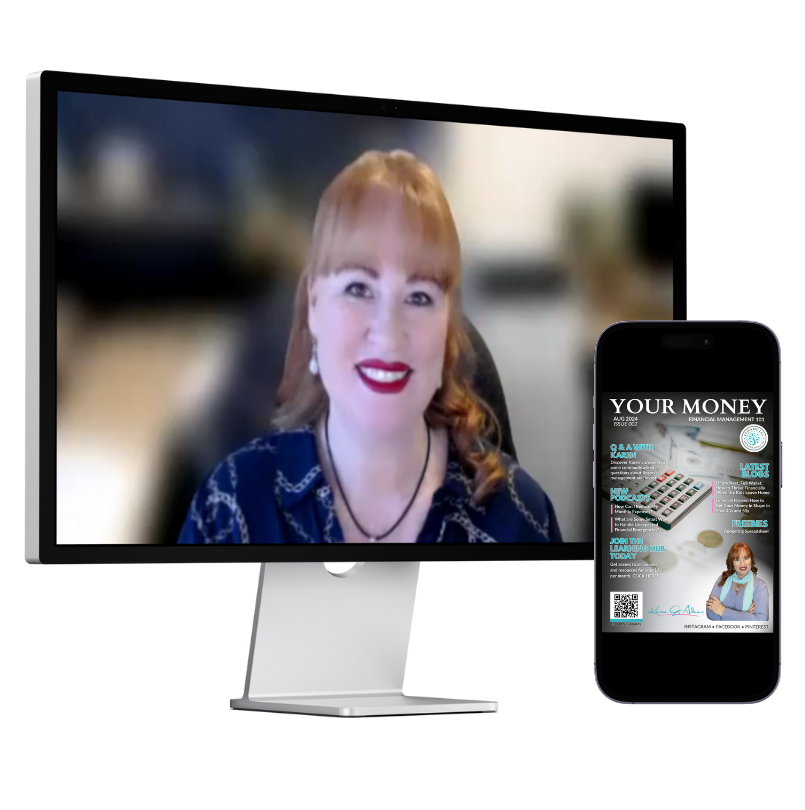
    Live Webinars and Q&A Sessions with Karen

    Success Stories: Real People, Real Results

    Take the story of Lisa, a single mum working full-time. She joined THE VAULT after struggling for years to make ends meet. With Coach Karen’s guidance and the resources she got from THE VAULT, Lisa paid off $8,000 in credit card debt, built a $5,000 emergency fund, and started saving for her daughter’s education—all in under a year.

    Her secret? Following the proven budgeting strategies in the Mastering Budgeting and Savings Course while leveraging the monthly coaching sessions for motivation and accountability.

    Ready to Transform Your Finances?

    With joining THE VAULT, the life you’ve always dreamed of is within reach. It’s not about earning more—it’s about managing what you have more effectively. Join today and start your journey to financial freedom!

    Ready to take the next step? Join THE VAULT today and unlock access to the tools and resources you need to take the stress out of managing your money.

    The Vault
    SCHEDULE A CALL WITH KAREN
    The Secret Formula to Fix Your Finances in Just Three Months

    The Secret Formula to Fix Your Finances in Just Three Months

    Jan 15, 2025 | Financial Management 101

    Imagine if, in just three months, you could feel in control of your money, reduce your debt, and finally start saving for the future you’ve always dreamed of. It sounds ambitious, but it’s entirely possible with the right approach. Fixing your finances doesn’t have to be overwhelming or complicated, it just requires the right formula and commitment to taking small, consistent steps.

    In this blog, I’ll break down a simple, three-month plan to get your finances on track. Whether you’re drowning in debt, struggling to save, or just looking to improve your financial habits, this formula will work for you.

    Why Three Months?

    Three months, or 90 days, is an ideal time frame to make significant progress without feeling like the journey is endless. It’s short enough to stay motivated but long enough to see measurable results. With a clear plan, you can achieve financial wins that build momentum and set the foundation for lasting success.

    The Secret Formula: The 3-Step Plan

    The formula for fixing your finances in three months revolves around three key pillars: Assess, Act, and Advance. Let’s break it down:

    1. Assess: Understanding Your Starting Point (Week 1-4)

    Before you can fix your finances, you need to understand them. Think of this as your financial health check.

    Step 1: Audit Your Money

    Start by tracking every dollar you spend for one month. Use a spreadsheet, app, or notebook to record:

        • Fixed expenses (rent, bills, subscriptions)
        • Variable expenses (groceries, dining out, entertainment)
        • Irregular expenses (annual fees, gifts)

    This exercise often reveals surprising patterns, like how much those small “treats” add up.

    Audit Your Money

    Step 2: Calculate Your Net Worth

    Your net worth is your financial snapshot. Add up your assets (savings, investments, property) and subtract your liabilities (debts). Don’t be discouraged if it’s negative this is your starting point.

    Step 3: Define Your Priorities

    What matters most to you? Maybe it’s paying off debt, building an emergency fund, or saving for a holiday. Write down your top three financial goals for the next three months.

    2. Act: Implementing Positive Change (Week 5-8)

    This is where the magic happens. Once you know where you stand, it’s time to take action.

    Step 1: Build a Realistic Budget aka Spending Plan

    A budget or better known as spending plan, isn’t about deprivation; it’s about prioritising. Use the 50/30/20 rule as a guide:

        • 50% for needs (housing, groceries, utilities)
        • 30% for wants (entertainment, dining out)
        • 20% for savings and debt repayment

    Adjust these percentages based on your goals. If you’re tackling debt, redirect some “wants” spending to accelerate repayment.

      50/30/20 rule

      Step 2: Reduce Expenses Strategically

      Look for quick wins, such as:

          • Canceling unused subscriptions
          • Cooking at home instead of dining out
          • Negotiating bills like internet or insurance

      Challenge yourself to a “no-spend week” to identify areas where you can cut back without feeling deprived.

      Step 3: Start Paying-off Debts

      List your debts and choose a repayment strategy:

          • Snowball Method: Focus on the smallest debt first for quick wins.
          • Avalanche Method: Prioritise the highest-interest debt to save money in the long term.

      Set up automatic payments to avoid missed due dates and reduce financial stress.

      Step 4: Automate Savings

      Even if it’s just $10 a week, start saving. Set up an automatic transfer to a separate savings account. Treat it like a non-negotiable bill—it’s money for your future self.

      3. Advance: Building Momentum (Week 9-12)

      The final phase is about maintaining progress and preparing for the long term.

      Step 1: Monitor and Adjust Your Plan

      Review your budget and spending weekly. Are there areas where you’re overspending? Adjust as needed, but celebrate your wins along the way.

      Step 2: Reduce Expenses Strategically

      Consider ways to earn extra cash to speed up your progress:

          • Selling unused items online
          • Offering freelance services
          • Picking up a side hustle

      Even a small income boost can make a big difference when applied to debt or savings.

      Boost Your Income

      Step 3: Focus on Your Mindset

      Financial success is as much about mindset as it is about math. Practice gratitude for what you have and visualize your financial goals. A positive attitude keeps you motivated during setbacks.

      Common Challenges (and How to Overcome It)

      1. “I don’t have enough money to save.”

      Start small. Even $5 a week adds up over time. The habit of saving is more important than the amount at first.

      2. “I don’t know where to start with my debt.”

      Start with one debt. Focus on it, make a plan, and celebrate when you pay it off. Then move on to the next.

      3. “It’s too overwhelming.”

      Break it down into daily or weekly actions. Progress is progress, no matter how small.

      The Ripple Effect of Fixing Your Finances

      When you take control of your money, it doesn’t just impact your wallet. You’ll feel:

        • Less Stress: No more sleepless nights worrying about bills.
        • More Confidence: You’ll know exactly where your money is going.
        • Increased Freedom: With less debt and more savings, you’ll have more choices in life.

      How Programs Like the “Kickstart Your Journey” Can Help

      Kickstart Your Journey is a 7-day motivational course on financial education, tailored to kick off a new year and aimed at achieving financial success, involves crafting a comprehensive and engaging curriculum.

      Conclusion

      Fixing your finances in just three months is entirely possible with the right formula. By assessing where you are, taking intentional action, and building momentum, you can transform your financial situation and set yourself up for long-term success.

      Remember, it’s not about perfection, it’s about progress. Start today, and by the end of three months, you’ll be amazed at how much you’ve achieved.

      Do you want to make smarter financial decisions but don’t know where to start? This monthly financial coaching program is designed to help you take control of your finances and achieve your financial goals.

      With years of experience in financial management, Karen offers insightful guidance and coaching on budgeting, saving, debt reduction, and other financial know-how to help you live a life without financial stress.

      The 90 Day Money Makeover
      JOIN THE MONTHLY COACHING
      « Older Entries
      Next Entries »

      Recent Posts

      • What Is a Small Business in Australia? It’s Bigger Than You Think
      • How Do I Build A Business That Runs Without Me?
      • What Numbers Should A Small Business Owner Track?

      Categories

      Library

      FINANCIAL MANAGEMENT 101

      TOO BIG TO WING IT. TOO SMALL TO NEED A CFO.

      Perth, Western Australia
      Serving clients across the globe

      PATHWAYS

      For Small Business

      Workplace Wellbeing

      About Karen

      Blog

      Contact

      GET STARTED

      The EDGE Health Check

      The CEO Dashboard

      Workplace Wellbeing Program Guide

      Book a Conversation

      Copyright © 2026 Financial Management 101. Karen G Adams. All Rights Reserved.

      Financial education, not financial advice. ABN provided on request.