
Holiday Spending Survival Guide: How to Enjoy the Festive Season Without Breaking the Bank

Holiday Spending Survival Guide: How to Enjoy the Festive Season Without Breaking the Bank

The holiday season is here, and with it comes the urge to celebrate, give generously, and create beautiful memories with loved ones. But let’s be honest, the holidays can also bring financial stress if we’re not careful! Here’s a survival guide to help you enjoy the season without breaking the bank, keeping your finances on track as you head into the new year.

1. Set a Holiday Budget Before Spending

Before you dive into holiday shopping, set a total budget for the season. Think of this as your overall spending cap – a number that includes gifts, decorations, travel, and any other holiday-related expenses. Write this number down and commit to sticking with it. Having a clear limit makes it easier to say “no” to last-minute splurges that can quickly derail your budget.

2. Make a List and (and Check It Twice)

A gift list is a holiday essential! Write down each person you plan to buy for, along with a spending limit for each. Then, brainstorm gift ideas that fit within your set budget for each person. This approach helps keep your spending intentional and reduces the chances of overbuying or going overboard on any one gift. Plus, you’ll likely avoid those frantic, last-minute purchases that always seem to cost more.

A gift list is a holiday essential!

3. Focus on Meaningful Over Material

Holiday shopping is often about finding that “perfect” gift, but the best gifts aren’t always the most expensive ones. Consider giving experiences, homemade gifts, or personalised items. Here are a few budget-friendly ideas:

  • Experiences: Tickets to a show, cooking a meal together, or a picnic outing.
  • DIY Gifts: Bake cookies, make a photo album, or create a handmade card.
  • Quality Time: A heartfelt letter or spending a day together can mean a lot.

These gifts often leave a lasting impression, and they won’t hurt your wallet.

4. Avoid Financing Your Holidays with Debt

Credit card debt can sneak up on you, especially during the holidays. If possible, stick to cash or a debit card for holiday purchases. This way, you’re only spending money you actually have, avoiding any dreaded January credit card surprises. If you must use a credit card, try setting a hard limit and commit to paying off the balance immediately after the holidays to avoid high-interest charges.

5. Take Advantage of Sales and Discounts (But Be Smart About It)

Many retailers offer holiday sales, which can be a great opportunity if you’re strategic. Check for online discounts, use coupon codes, and compare prices before buying. However, resist the temptation to buy things just because they’re “on sale.” Stick to your list and buy only what you need. A great deal is only worth it if it aligns with your budget and your holiday gift plan.

A gift list is a holiday essential!

6. Consider a “Secret Santa” for Larger Groups 

If you’re buying for a big group – like extended family or friends, consider suggesting a Secret Santa or gift exchange. This way, each person only buys one gift, which saves everyone money. You can set a budget limit and focus on one thoughtful gift instead of buying for everyone. Plus, it makes gift-giving fun and more meaningful without the financial stress.

7. Don’t Forget Hidden Holiday Costs 

Holiday expenses go beyond just gifts. Food, decorations, travel, and even extra utility costs can all add up. Budget a little extra for these “hidden” holiday expenses to avoid dipping into savings or putting them on credit. If you’re hosting, consider making it a potluck so that everyone can pitch in and share the costs.

8. Plan for Next Year’s Holidays 

One of the best ways to manage holiday spending is to start planning now for next year. After the holidays, consider setting aside a small amount each month toward a “holiday fund.” This way, when the season rolls around again, you’ll already have money set aside, and you won’t need to scramble or rely on credit cards. It’s a great strategy for breaking the cycle of holiday debt and ensuring you’re financially prepared.

9. Prioritise Self-Care Over Stressful Spending

Finally, remember that the holiday season is about connection, gratitude, and joy. It’s easy to get swept up in the pressures of gift-giving, but focus on the experiences and people who matter most. Practice self-care, and don’t feel obligated to overspend just to make others happy. The memories you create with loved ones are often worth far more than anything you could buy.

FINAL THOUGHTS

The holidays don’t have to leave you financially stressed. By setting a budget, focusing on meaningful gifts, and avoiding unnecessary debt, you can enjoy the season without compromising your financial goals. Here’s to celebrating a joyful, financially stress-free holiday season and to starting the new year on solid ground!

Join the program Mastering Budgeting and Saving Techniques and learn how to budget, track and look at managing your money like a pro.

Mastering Budget and Saving Techniques
Which Budgeting Method is Right for You? Exploring 3 Proven Strategies

Which Budgeting Method is Right for You? Exploring 3 Proven Strategies

If you have ever wondered how to work a budget and which method is best for you, this blog post will go over three of the most popular budgeting methods that you can implement and make work for you today, allowing you to get ahead and see where your money is going.

There are three popular and proven budgeting strategies you should consider:

  1. The 50/30/20 Rule
  2. Zero Based Budgeting, and
  3. The Envelope Method

I will walk you through each of them so you can see which one is best for you and your specific financial situation.

BUDGETING METHOD – 50/30/20 RULE

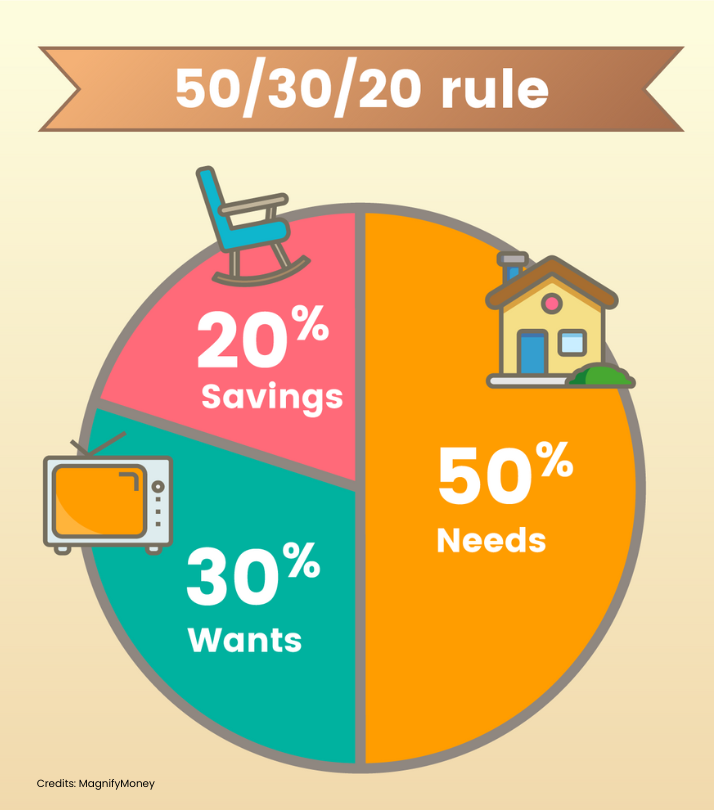
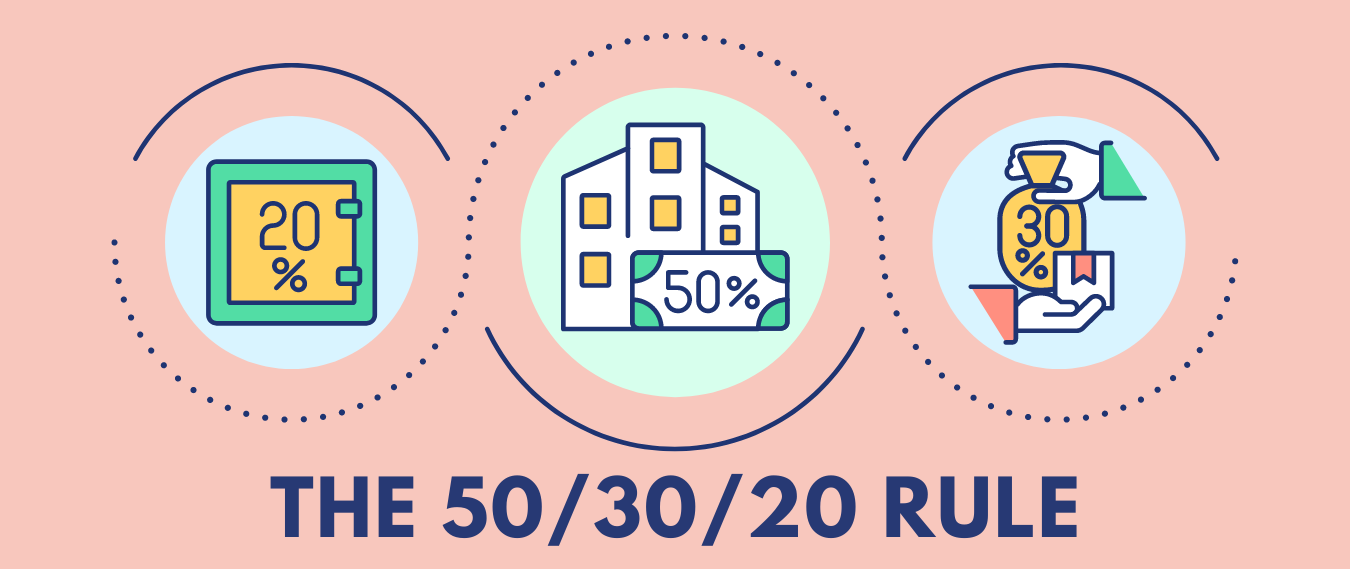
The 50/30/20 rule is a popular budgeting method that can help you allocate your income to various spending categories. It’s a straightforward and flexible guideline for managing your finances. Here’s how it works:

The 50/30/20 rule is a popular budgeting method that can help you allocate your income to various spending categories. It’s a straightforward and flexible guideline for managing your finances. Here’s how it works:

50% FOR NEEDS:

This category includes essential expenses that you must pay regularly. It covers things like housing (rent or mortgage payments), utilities (electricity, water, gas, etc.), groceries, transportation (such as car payments, insurance, and gas), minimum debt payments (like credit card minimums or student loan payments), and healthcare.

The “Needs” category should encompass no more than 50% of your after-tax income. These are the expenses that are necessary for daily living and financial stability.

30% FOR WANTS:

This category is for non-essential or discretionary spending. It includes things like dining out, entertainment, hobbies, travel, and other items or experiences that enhance your quality of life but aren’t mandatory.

The “Wants” category gives you some flexibility to enjoy life and spend on things you desire. However, it’s crucial to stay within this 30% limit to avoid overspending and maintain control over your finances.

20% FOR SAVINGS AND DEBT REPAYMENT:

The remaining 20% of your income is allocated to savings and debt repayment. This category includes savings for various financial goals like an emergency fund, retirement, a down payment on a home, or other long-term objectives. It also covers extra debt payments beyond the minimum required.

Savings are a vital part of this budgeting method. Allocating 20% of your income to savings helps you build financial security and work towards your future goals. If you have high-interest debts, consider allocating a significant portion of this 20% to debt repayment until those debts are under control.

Remember, the 50/30/20 rule is a guideline. Your actual percentages might vary depending on your unique financial situation, goals, and priorities. The key is to ensure that your spending aligns with your financial objectives and that you have a balance between covering essential expenses, enjoying life, and saving for the future.

BUDGETING METHOD – ZERO BASED BUDGETING

Zero-based budgeting is a budgeting method where you allocate your income down to zero, giving every dollar a specific purpose within your budget. In other words, you start from scratch with each budgeting period and assign every dollar you earn to an expense, savings, or debt repayment category. The goal is to ensure that your income minus your expenses equals zero. Here’s how zero-based budgeting works:

DETERMINE YOUR INCOME:

Begin by calculating your total monthly income. This includes your salary, side income, and any other sources of revenue.

LIST ALL EXPENSES:

Make a comprehensive list of all your monthly expenses. This includes both fixed expenses (like rent or mortgage, utilities, insurance, and loan payments) and variable expenses (such as groceries, transportation, dining out, and entertainment).

ALLOCATE YOUR INCOME:

Now, allocate your entire income to cover these expenses. Start with the most critical expenses, like housing, utilities, and groceries. Gradually move down the list, allocating money to each category until you’ve assigned every dollar.

TRACK YOUR SPENDING:

Throughout the month, diligently track your spending to ensure that you’re sticking to your budget. Use budgeting tools or apps to help you stay on top of your expenditures.

ADJUST AS NECESSARY:

If you find that you’ve overspent in a particular category, you’ll need to adjust your budget to cover the overage. To maintain a zero balance, you may need to reduce spending in another category.

Zero-based budgeting has several advantages:

EVERY DOLLAR HAS A PURPOSE:

This method ensures that you’re using your income efficiently and purposefully, directing your money where it matters most.

REDUCE IMPULSE BUYING:

Because every dollar must be allocated, you’re less likely to spend impulsively or frivolously.

ENCOURAGES SAVINGS AND DEBT REPAYMENT:

By including savings and debt repayment as budget categories, ZBB reinforces the importance of these financial goals.

FINANCIAL CLARITY:

It provides a clear, organised overview of your finances, making it easier to see where your money is going.

However, Zero based budgeting may not be suitable for everyone. It requires careful tracking and frequent adjustments, which can be time-consuming. Some people might prefer less detailed budgeting methods. Ultimately, the best budgeting method is the one that works for your unique financial situation and helps you reach your financial goals. Zero-based budgeting is a particularly useful tool if you want to maintain strict control over your spending and ensure that your income is allocated efficiently.

BUDGETING METHOD – THE ENVELOPE BUDGETING

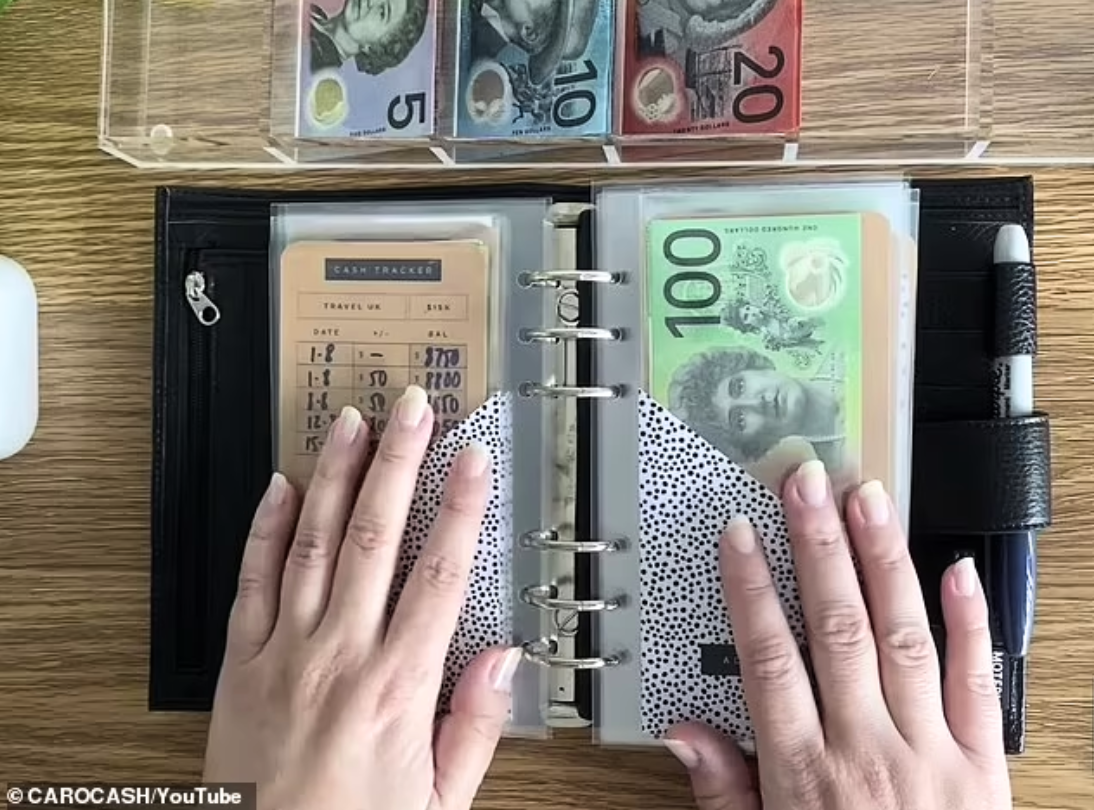
The envelope budgeting method is a cash-based budgeting system that helps you control your spending by allocating physical cash to specific categories or “envelopes” for various expenses. It’s a highly effective way to manage your finances and stay on track with your budgeting goals. However, as we’re becoming more and more a cashless society, there are ways you can still use this method via online banking and I am going to share how if you’re struggling to use cash today. Here’s how it works:

IDENTIFY YOUR SPENDING CATEGORIES:

To begin, identify the main spending categories in your budget. These categories could include groceries, dining out, entertainment, transportation, utilities, and more. Each category will have its own envelope.

DETERMINE YOUR BUDGET LIMITS:

Set a budget limit for each spending category. This is the maximum amount of cash you’ll allow yourself to spend on that category for the month. Be realistic when setting these limits to ensure they align with your overall financial goals.

CREATE PHYSICAL ENVELOPES OR USE ONLINE BANKING 

Get envelopes for each spending category. You can use actual envelopes, small pouches, or even create digital envelopes if you prefer to manage this system electronically. Label each envelope with the category name and the budgeted amount.

If you are going to use online banking, then consider using accounts like ubank or other banks that offer free transactions and multiple savings accounts that link up with a visa debit card. How this works is that the envelope category now becomes the savings account and is named as per what your paper envelope would be. Then when you need to pay for bills, you transfer the amount you need to pay into your visa debit and pay for your groceries or bills that you’ve allocated towards the envelope category. There is a video on this, so head over YouTube to see how this method is explained more clearly. Click here to WATCH THE VIDEO.

ALLOCATE CASH:

At the start of the budgeting period (usually a month), take the budgeted amount in cash for each category and place it in the respective envelope. For example, if you’ve budgeted $200 for dining out, put $200 in cash into the “Dining Out” envelope.

SPEND ONLY FROM ENVELOPES:

Throughout the month, spend only the cash from the designated envelopes for each expense category. When the cash in an envelope is depleted, that’s your signal to stop spending in that category until the next budgeting period. This physical limitation helps you avoid overspending.

RECORD YOUR TRANSACTIONS:

Keep track of your spending. Each time you spend from an envelope, make a note of the amount and the transaction in a ledger or on the envelope itself. This helps you stay accountable and provides a record of your spending. If you’re using your online banking for this, then you can clearly see and track your spending.

ROLLOVER OR ADJUST AS NEEDED:

If you have cash left in an envelope at the end of the month, you can choose to either roll it over to the next month’s budget (for that category) or use it for other financial goals, like savings or debt repayment. If you consistently have cash left over in a category, you might consider adjusting the budgeted amount for the following month.

Envelope budgeting can be particularly useful if you’re trying to curb overspending in specific categories or if you find it challenging to stick to a budget. It forces you to live within your means and prioritise your spending.

Next Step:

Choose the best budgeting method for your needs from the three options listed above.

Creating and sticking to a personal budget is an important step in effectively managing your finances. Budgeting requires discipline and commitment. Stick to your budget as closely as possible, and remember that it is a tool to help you achieve your financial goals and financial independence.

Learn the fundamental concepts of how budgeting and saving are important to your financial well-being. Registration is now open for the course: Mastering Budget and Saving Techniques. This is a hands-on course with me guiding you on how to budget, track and look at managing your money like a pro.

Mastering Budget and Saving Techniques

Mastering Budgeting and Saving Techniques is a program designed to empower you to understand the importance of both budgeting and saving.

In this program, you will learn the fundamental concepts of how budgeting and saving is important for your financial well being.

We will explore and work through mindset shifts to empower and equip you with the tools necessary for a stress free life.

This is a hands-on program with me guiding you on how to budget, track and look at managing your money like a pro.

Are you ready to take control of your finances and start your debt-free journey?

In this empowering 30-day course, we’ll guide you through actionable steps to help you break free from debt and achieve financial stability.

Breaking Free: Your Journey to Financial Freedom

Breaking Free: Your Journey to Financial Freedom

Hello, finance enthusiasts! Are you ready to turn the page and start a new chapter called “Financial Freedom”? If you’re between the ages of 30 and 55, you’re at a prime time in your life to make some transformative moves. Whether you’re climbing the career ladder, juggling family responsibilities, or planning for retirement, financial freedom is a goal we all share. Today, I’m here to walk you through some fun and engaging steps to achieve that sweet state of economic bliss!

STEP 1: DEFINE WHAT FINANCIAL FREEDOM MEANS TO YOU

Before we dive into the how, let’s talk about the what. Financial freedom looks different for everyone. For some, it’s about being debt-free; for others, it’s accumulating enough savings to travel the world or retire comfortably. Take a moment to really picture what financial freedom looks like for you. Is it quitting your 9 to 5 job? Is it having the resources to pursue your passions? Define it, so you can own it!

STEP 2: ASSESS YOUR CURRENT FINANCIAL SITUATION

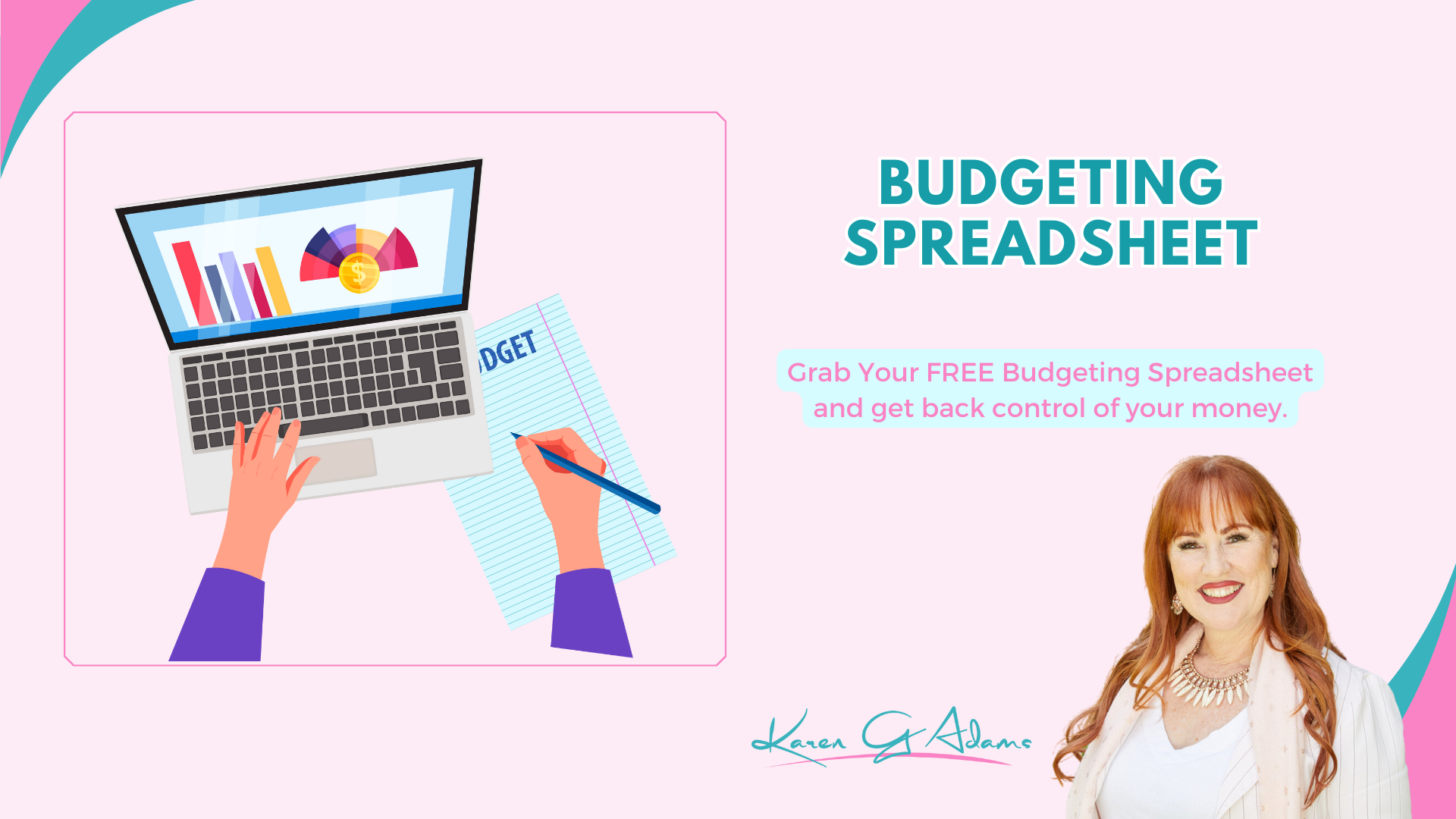
It’s time for a little reality check (but make it fun!). Grab your favourite drink, sit down, and crunch some numbers. Look at your income, debts, savings, and expenses. Understanding where you stand financially is crucial to setting realistic goals. Use apps or spreadsheets to track your finances—seeing everything on one screen can make managing money more engaging and less daunting. I have a FREE budgeting spreadsheet that you can download, which makes it easy and quick to get a snapshot of your financial position.  Download the spreadsheet HERE. 

STEP 3: SET SMART FINANCIAL GOALS

Specific, Measurable, Achievable, Relevant, and Time-bound – these are the golden rules for goal-setting. Break your financial freedom dream into smaller, achievable milestones. Maybe you want to pay off your credit card debt in two years or save for a deposit and down payment on a home in five years. Whatever those goals may be, write them down and commit to them.

STEP 4. CREATE A BULLETPROOF BUDGET

Now, let’s craft a budget that’s as vibrant and dynamic as you are. Your budget is your blueprint to financial freedom. It should allocate funds for your necessities, savings, debts, and a little fun money too—because what’s life without a little spice? Use budgeting tools or apps to keep you on track and make adjustments as your financial situation evolves.  As mentioned earlier in this blog, you can download the spreadsheet HERE.

STEP 5: BUILD AN EMERGENCY FUND

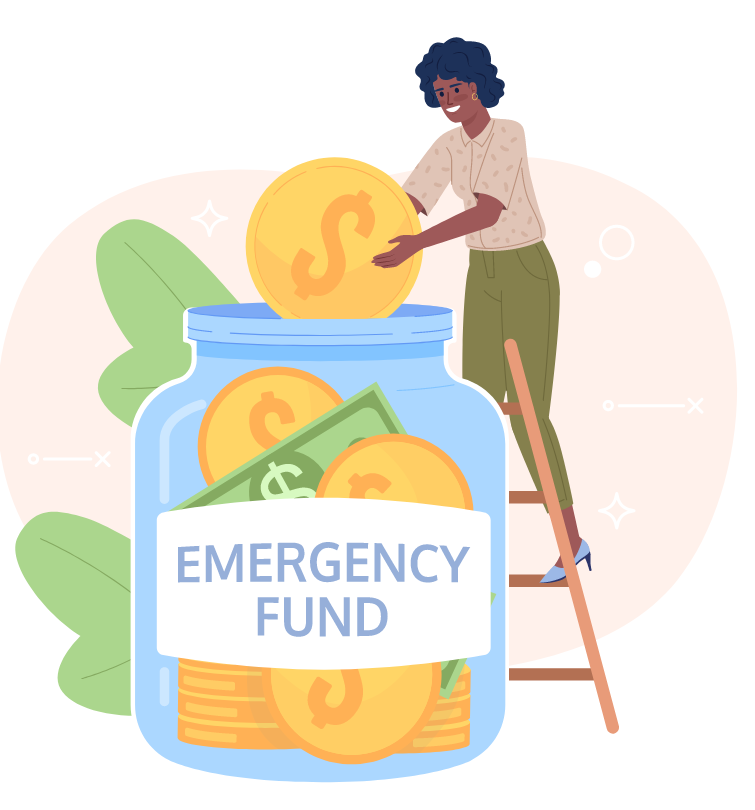
Life loves to throw curveballs, and sometimes they hit us right in the wallet. An emergency fund acts as a financial safety net. Start by saving enough to cover at least three to six months’ worth of living expenses. This fund will protect you from unforeseen circumstances like medical emergencies, urgent home repairs, or unexpected job loss. 

STEP 6: ELIMINATE AND MANAGE DEBT

Debt can be a heavy chain holding you back from your freedom. Focus on paying off high-interest debts first, such as credit card balances or personal loans. Consider strategies like the debt snowball or avalanche methods. Remember, every payment is a step closer to your financial liberation.

Life’s unexpected financial challenges can catch us off guard. Having an emergency fund can provide a safety net to help cover these unforeseen costs without the need to go into debt or disrupt long-term financial goals.

STEP 7: INCREASE YOUR INCOME

Sometimes cutting expenses isn’t enough to achieve your financial goals quickly. Look for ways to boost your income. Could you ask for a raise, change jobs for a higher salary, or start a side hustle? Maybe now’s the time to turn your hobby into a profit-making venture!

STEP 8: INVEST IN YOUR FUTURE

Investing can be a game-changer in your journey to financial freedom. Research different investment options like stocks, bonds, mutual funds, or real estate. Consider speaking with a financial advisor first before investing to tailor an investment strategy that suits your risk tolerance and financial goals.

STEP 9: STAY EDUCATED AND ADAPT

The financial world is always evolving, and so should your strategies. Keep learning, read books, attend workshops, follow my blogs, and join my community of like-minded individuals via the Learning Hub or Monthly Coaching. The more you know, the better equipped you’ll be to make informed financial decisions.

STEP 10: CELEBRATE YOUR PROGRESS

Don’t forget to celebrate your victories, big or small. Achieving financial freedom is a journey, not a sprint. Set up little rewards for yourself as you hit milestones. This not only makes the process enjoyable but also keeps you motivated.

CONCLUSION

Remember, financial freedom isn’t about having lots of money; it’s about having choices. It’s about living your life on your terms. So, let’s raise our glasses (of budget-friendly wine, of course!) to a brighter, financially free future. 

Here’s to making smart choices, being strategic, and having fun along the way. You’ve got this!

Take Control of Your Finances Today!

Are you tired of living paycheck to paycheck? Do you want to make smarter financial decisions but don’t know where to start? This monthly financial coaching program is designed to help you take control of your finances and achieve your financial goals.

Mastering Budget and Saving Techniques